Max Crockett, Huntingdon Native and World War II Hero

On February 21, 2024, Jimmy Crockett, son of Max Crockett, was the Storyteller for the Huntingdon TN Historical Society. Jimmy Crockett gave a presentation on his father, Max Crockett.
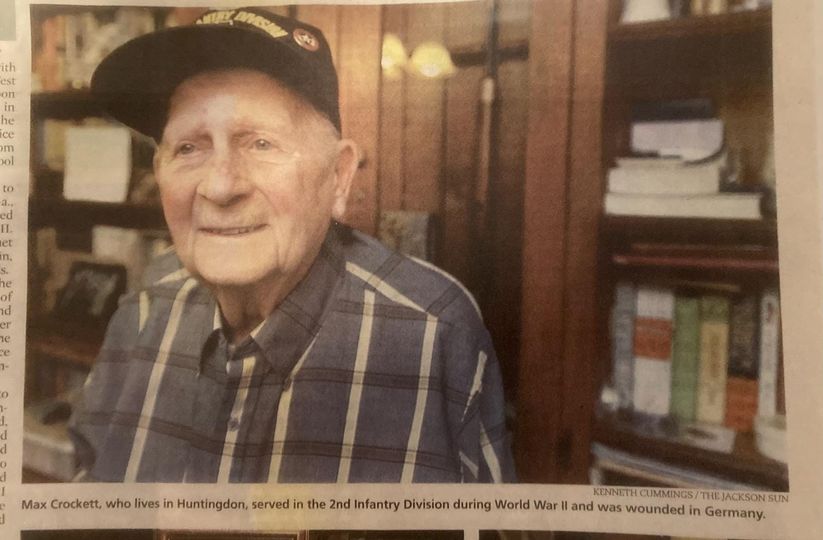
Max Crockett was born on August 20, 1922 in Wildersville, Tennessee. He graduated from Huntingdon High School in 1940, where he was a three sport athlete. In January of 1943, Max Crockett left Huntingdon and began military training at Camp Oglethorpe, near Macon, Georgia. He also received military training at Camp McCoy in Wisconsin. In October of 1943, he left the United States and traveled overseas to Belfast, Ireland.

In his service to the US military during WWII, he served in various locations in Europe, including England, Wales, France, Belgium, Germany, and Czechoslovakia. He served during the Normandy Invasion on June 6, 1944 and was in the second wave that landed on Normandy. Max Crockett was also present and serving at the Battle of the Bulge, where his squadron met up with a German squadron. Max Crockett received the Purple Heart for his bravery during the Battle of the Bulge.
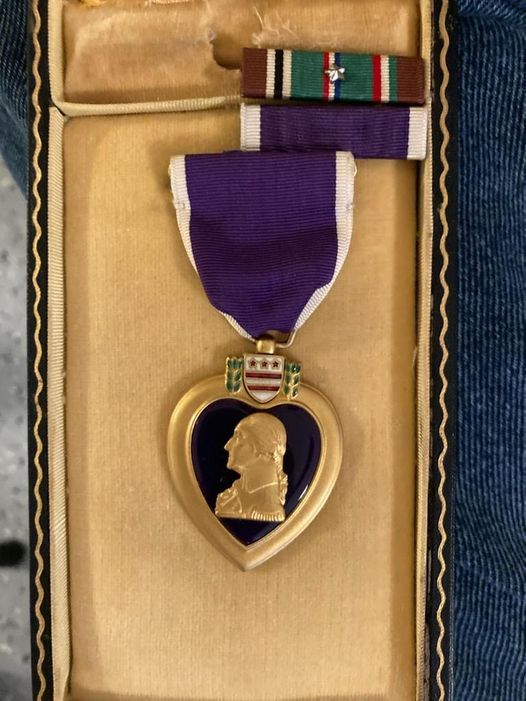
On August 24, 1944, Max Crockett was awarded the Bronze Star for gallantry for his service in France. Max Crockett served in WWII from October of 1943 until the end of the war in 1945. By the end of the war, he was a Staff Sergeant.

Following service in WWII, Max Crockett worked for the United States Postal Service and retired in 1979. He died on February 21, 2016.
Three Active Duty American Soldiers Running Through a horizontal image of a field of stars and stripes. Battle ready and running. Sepia Toned. Grain. Composite Image.

Tennessee is known as the Volunteer State. In WWII, there were three military camps in Tennessee that trained troops. They were Camp Forrest, Fort Campbell, and Fort Tyson. There were also several small air bases that trained pilots. In WWII 315,501 Tennesseans served in the military. 5,731 servicemen lost their lives.
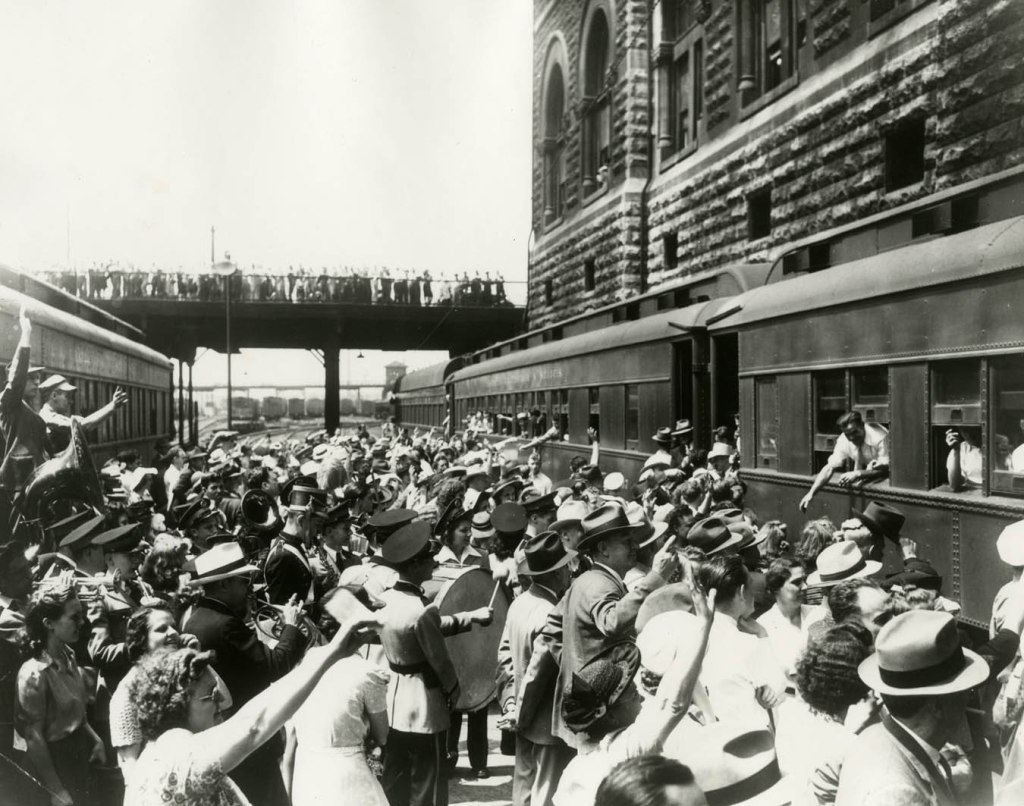
Above is a crowd saying goodbye to troops at Union Station, Nashville.
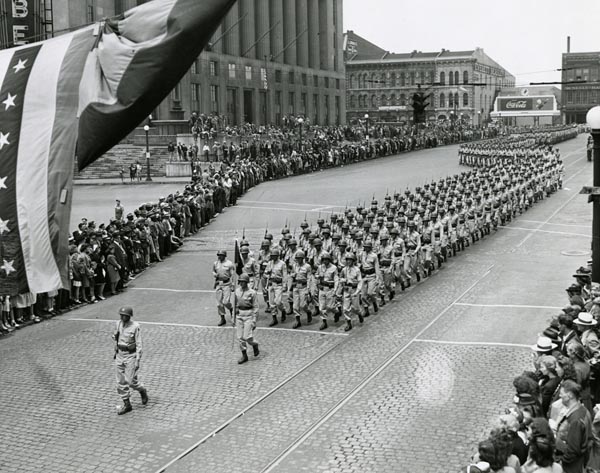
Above is a WWII Victory Parade in 1945 in Nashville, Tennessee.

Besides information received from Jimmy Crockett during his presentation, this article also has information/pictures from the Tennessee State Library and Archives.
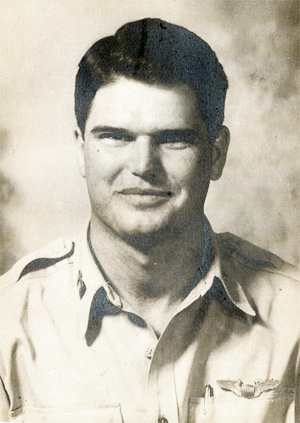
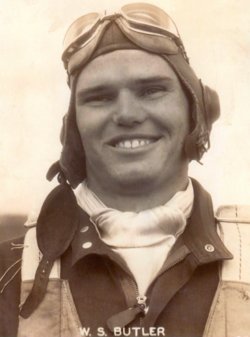
Walter Sidney Butler, Jr. Hero of WWII

Walter Sidney Butler, Jr was born on September 23, 1920 in Huntingdon, Tennessee. He graduated Huntingdon High School in 1938 and he then completed two years at Memphis State. In April of 1941, he joined the Air Force and became a pilot. “Lucky” was his nickname.

While in China, he served under General Chenault and was a member of the Flying Tigers in China. Walter S. Butler was continuously flying during WWII and was decorated after two years. During the war, he was sent back to America and was stationed in Texas. He was sent back to Americal for his own safety. He did, however, return to Burma and was serving in Burma when his plane was shot down on April 3, 1945. He had achieved the promotion to major two days before he had been shot down. It was a very dense jungle with thick fog where his plane went down and nothing was ever found. After October, he was officially pronounced dead.

From the site American War Memorials Overseas, Inc at uswarmemorials.org, it states:

Major Walter S Butler, Jr was leading a dive bombing and strafing mission in P-51D #44-11284 3 April 1945 on a course of 130 degrees. The visibility was four miles in haze. He and his wing aircraft had left a base at Laohwangping with a target at Yangtong. His plane was hit by anti-aircraft fire on their last pass approximately one-half mile east of Erh Tong [ie Erh-Tong Airfield at Kweilin], headed west.

His wingman, 2nd Lt Harry Hill, Jr, ASN O-705582, stated the following, “Butler was leading the flight. I was flying Butler’s wing. Butler called the flight and said that this was our last pass. I saw Butler heading west as I was making my pass in a SW direction. I pulled up from my pass and started rendezvous, calling Butler and asking his position. The last thing I heard, Butler called ‘I am hit.’ The remainder of the flight tried to call Butler but no radio contact was made. We rendezvous, searched for his plane or parachute and sighted neither, it is believed he possibly went into the cloud layer and headed north.”

Major Butler was declared dead 3 October 1945 but still missing. His name is commemorated on the Walls of the Missing, Manila American Cemetery, Taguig City, Philippines. He was one of over 2000 Americans who lost their lives defending China from their Japanese invaders from 1941-1945. He is also commemorated on the The Monument to the Aviation Martyrs in the War of Resistance Against Japan in Nanjing, China. His family honors his memory with a monument Major Walter Sidney Butler, Jr – Family Plot in Liberty All Cemetery, Huntingdon TN.

He was flying with the 76th Fighter Squadron, 23rd Fighter Group.

Notable medals include the Distinguished Flying Cross with Oak Leaf Cluster, Air Medal with Oak Leaf Cluster, and the Purple Heart.