
https://www.facebook.com/reel/1984460812290062
On October 15, 2025, the Huntingdon TN Historical Society had their monthly meeting. Clark Cemetery, located on Carter Lane in Huntingdon, TN was the subject matter. Above is the video of the presentation.

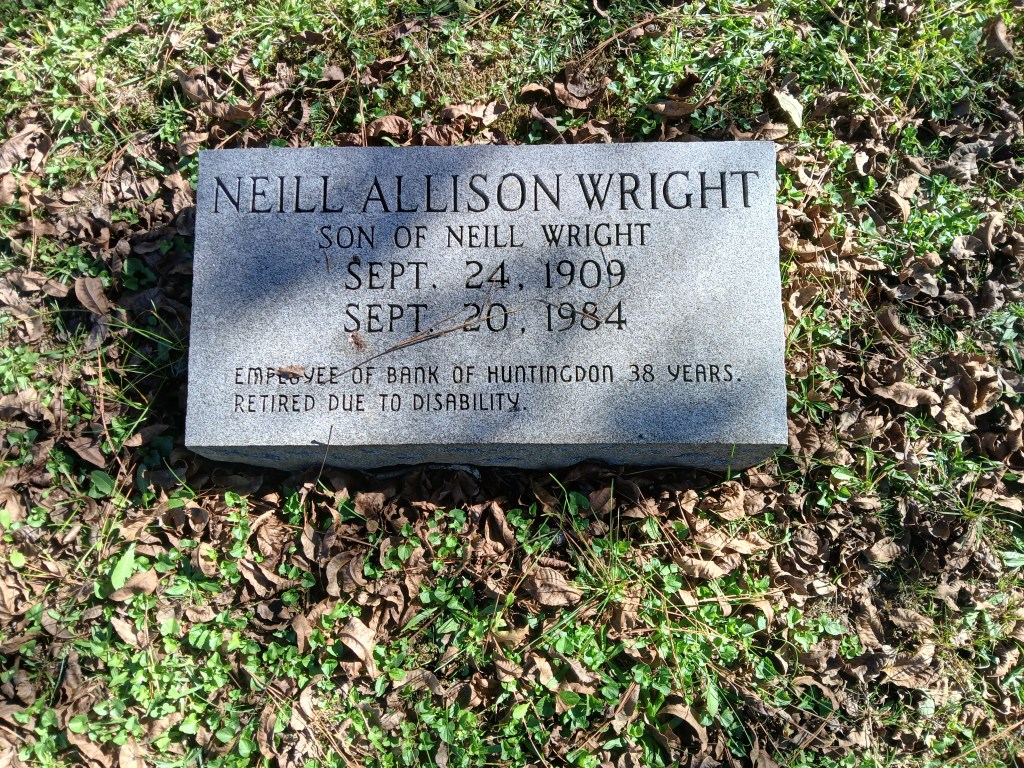
The cemetery was named after Colonel John Clark, who was the son of Samuel and Rachel Clark of North Carolina. Colonel John Clark’s wife, Rebecca Covington, was the daughter of John and Mary Covington of Maryland. Colonel Clark served in the War of 1812 and, after the war, moved to Huntingdon, Tennessee. Colonel John Clark provided this cemetery as a burying ground for his descendants. It was maintained as a private cemetery until Admiral A.C. McNeill, a descendant, allowed others to be buried in the cemetery. The cemetery is jointly maintained by the Town of Huntingdon and by the Wright Family Trust Fund. Neill Alison Wright and his wife so loved the Town of Huntingdon that they developed the Wright Family Trust to donate to the cemetery and also to the surrounding area. Neill A. Wright is believed to be the last desdendant of the Clark family.

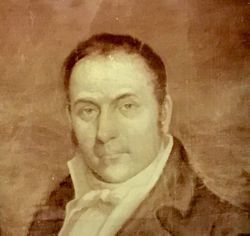
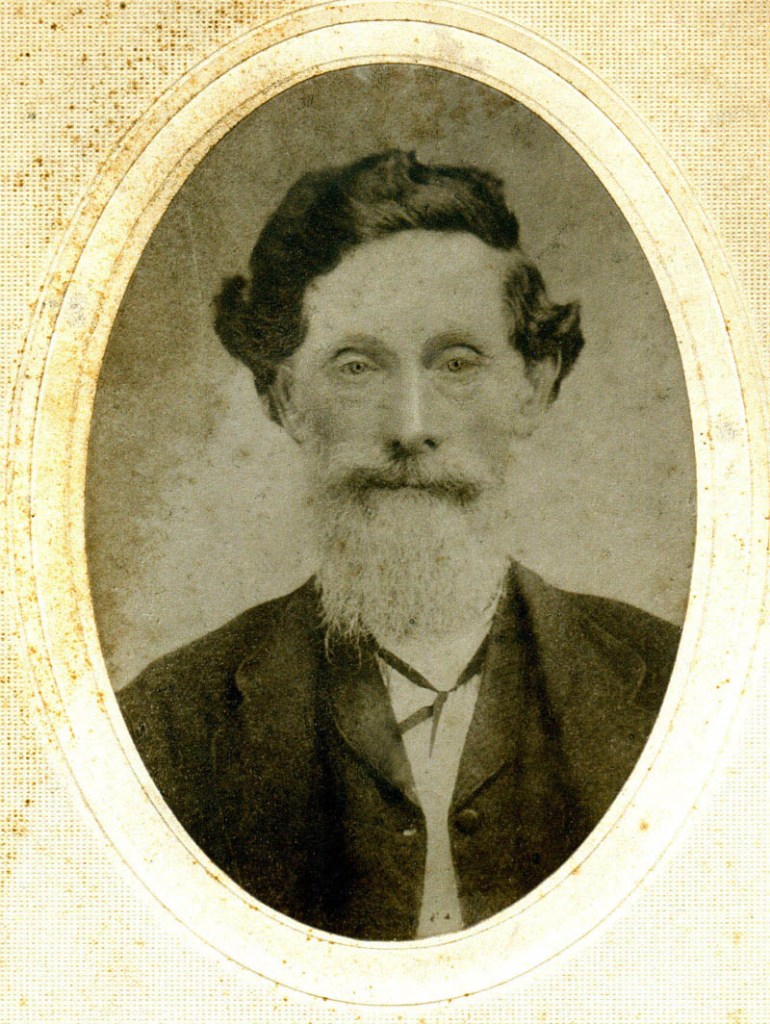
Pictured above is Colonel John Clark who was born in 1773 and died in 1850.
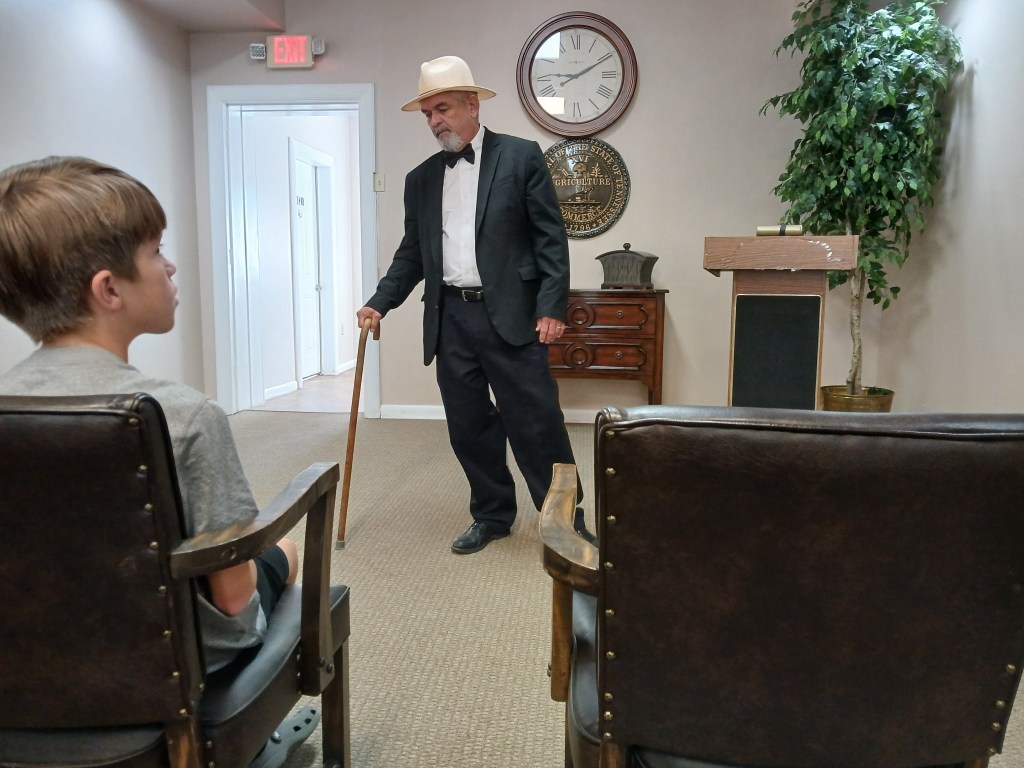
The first resident of Clark Cemetery to address the crowd was Walter Grizzard. Captain Grizzard commanded the company that was involved with General Nathan Bedford Forrest’s raids into West Tennessee. Captain Grizzard was also involved in the Battle of Parkers Crossroads. His friend and cohort was Major James B. Algee.
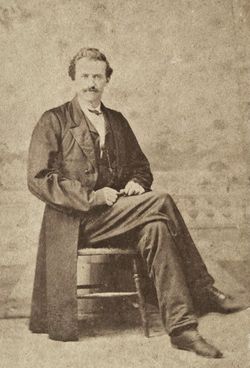
Pictured above, Major James B. Algee. Born in 1828 and died in 1863 in Hickman, Kentucky.
Major James B. Algee and Captain Grizzard had traveled together while on furlough. They had traveled to visit their families in West Tennessee. After the furlough, and on their way back to their duties in the Civil War, they were both captured. Major James B. Algee was sick at the time. Major Algee was taken to a prison that was located in Kentucky, which is where he died. He is buried somewhere outside the prison on a hill. However, there is a tombstone located in Clark Cemetery for him.

The account of the capture of Captain Grizzard and Major Algee was written by Captain Grizzard after the war around 1913. The account is captured at jstor.org/stable/42621073, for those who are interested in reading the account.
Walter B. Grizzard was born in 1833 in Huntingdon, TN and died in 1918 in Huntingdon, TN.
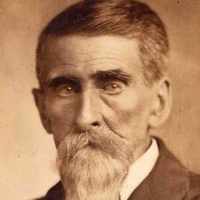
Walter Boggan Grizzard.

The next resident of Clark Cemetery to present to the group present was Rebecca Covington Clark, of the North Carolina Covington’s. Rebecca Covington was born in 1757 and died in 1848. Colonel John Kelly Clark was her husband. John and Rebecca Clark lived in North Carolina for a number of years after they were married. They moved from North Carolina to West Tennessee and settled in the area that was to become Huntingdon. John and Rebecca had two daughters. Colonel John Clark fought in the war of 1812 and he also served in the state legislature. In 1837, John Clark built a home for his daughter Julia and her husband, James. That home is now the oldest home in Huntingdon and is known as the Portis home.
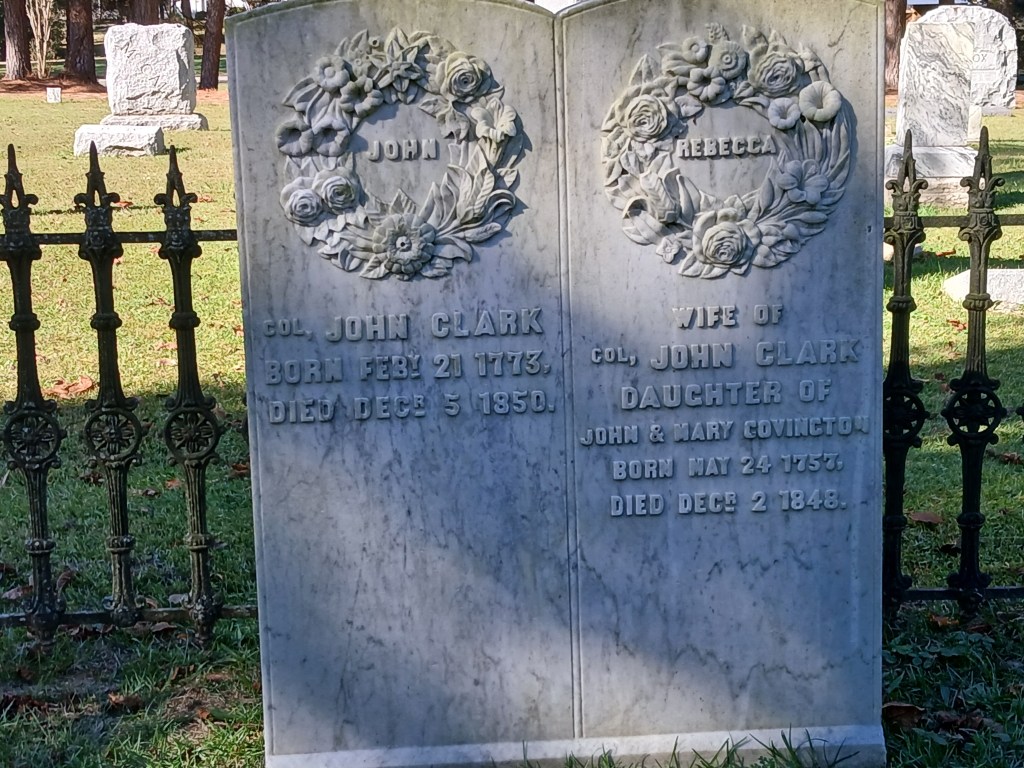
Tombstone for John and Rebecca Clark in the Clark Cemetery.
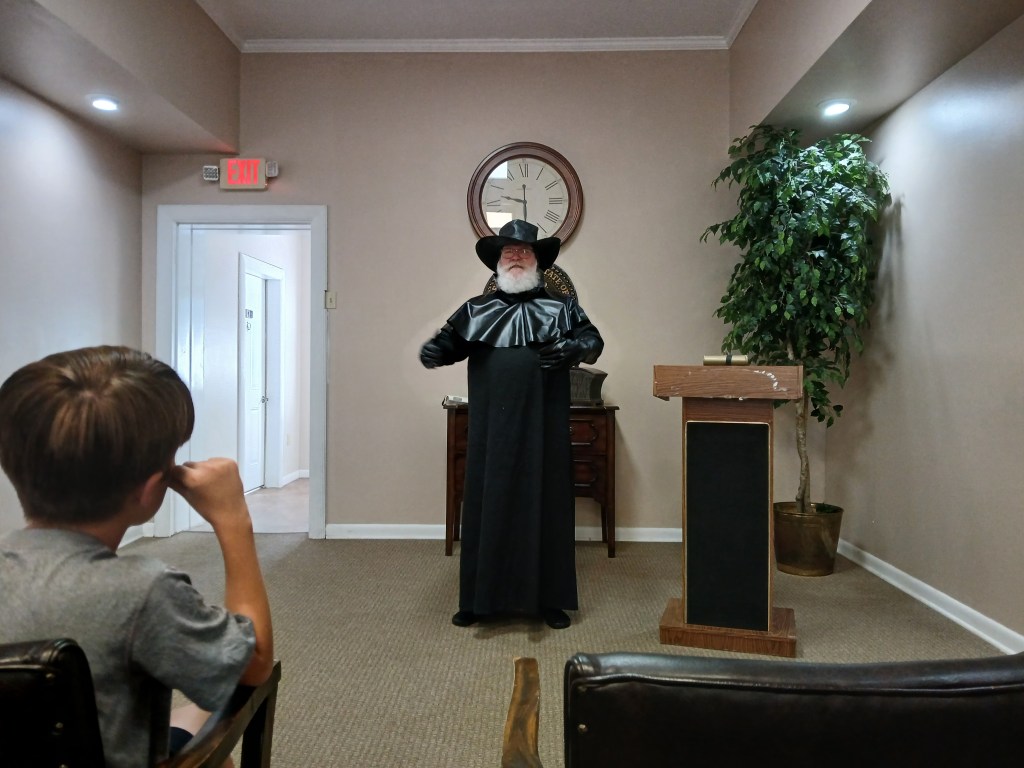
The final visitor to the meeting on October 15th was Dr. J. W. McCall, born in August of 1832. Dr. J.W. McCall was the ninth of ten children. His parents were Andrew and Jane Todd McCall. He was raised on a farm and attended the early schools in Carroll County. His brother, Dr. Henry McCall, had a practice in Clarksburg, Tennessee. J. W. McCall began his study of medicine in his brother’s Clarksburg office. Dr. McCall went to the University of Nashville and graduated in 1857. Dr. J. W. McCall attended Columbia University and also Tulane in Louisiana. In 1862, he became the assistant surgeon in the United States Army for the Seventh Tennessee Calvary. In 1858, he married Victoria Wilson, who was from Henderson County. They had four children: Lenora, Emma, James, and Fannie. The son, James Henry, became a doctor as well and graduated from Vanderbilt in 1896. James Henry, like his father, also went into the military. Lenora Josephine married Governor Hawkins son. Fannie married a Johnson and moved to Utah.

Above, the tombstone for Dr. J.W. McCall in the Clark Cemetery.
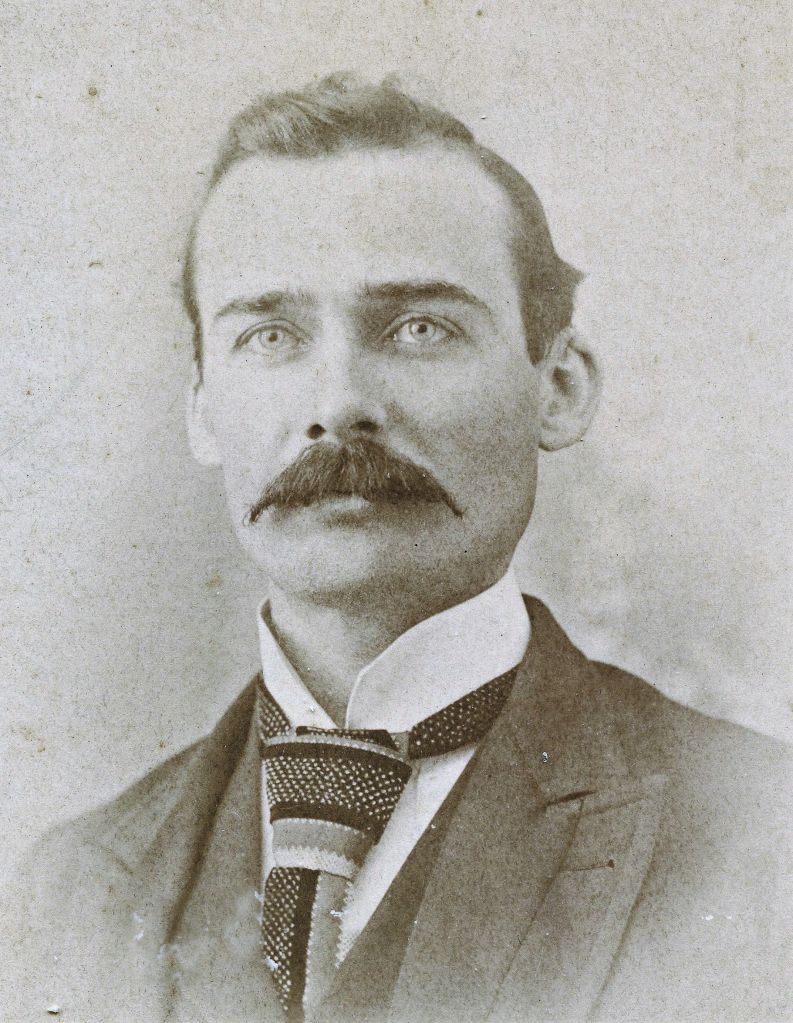
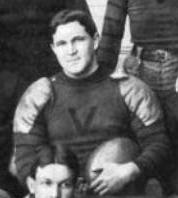
Image of James Henry McCall, Dr. J.W. McCall’s son.
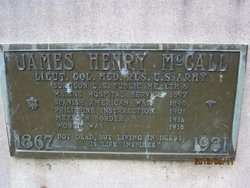
Tombstone for Dr. James Henry McCall.
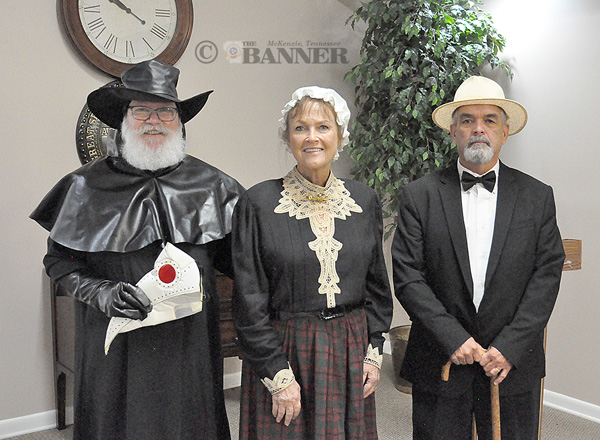
Many thanks to these wonderful members of our community who role played the historical characters on this day. Dr. Lee Carter as Dr. J.W. McCall. Melissa Powell as Rebecca Covington Clark. And last, but not least, Mr. Johnny McClure as Captain Grizzard. Thank you all very much.
 The History of Carroll County, Tennessee