Clark Cemetery And Three Notable Residents

https://www.facebook.com/reel/1984460812290062

On October 15, 2025, the Huntingdon TN Historical Society had their monthly meeting. Clark Cemetery, located on Carter Lane in Huntingdon, TN was the subject matter. Above is the video of the presentation.

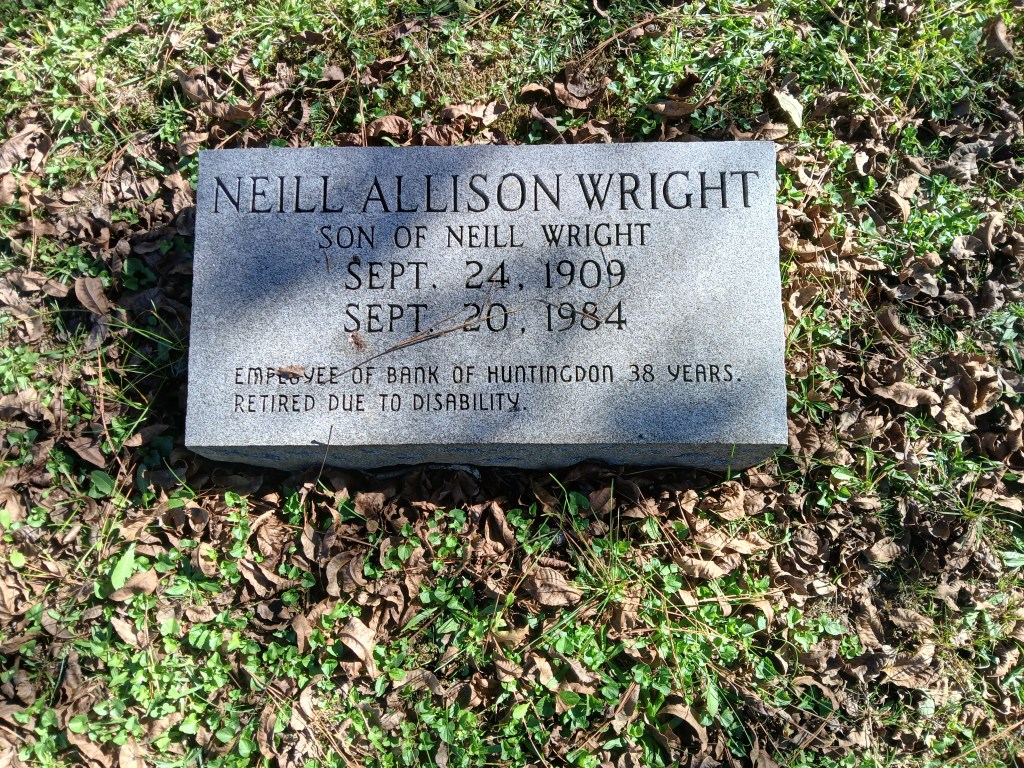
The cemetery was named after Colonel John Clark, who was the son of Samuel and Rachel Clark of North Carolina. Colonel John Clark’s wife, Rebecca Covington, was the daughter of John and Mary Covington of Maryland. Colonel Clark served in the War of 1812 and, after the war, moved to Huntingdon, Tennessee. Colonel John Clark provided this cemetery as a burying ground for his descendants. It was maintained as a private cemetery until Admiral A.C. McNeill, a descendant, allowed others to be buried in the cemetery. The cemetery is jointly maintained by the Town of Huntingdon and by the Wright Family Trust Fund. Neill Alison Wright and his wife so loved the Town of Huntingdon that they developed the Wright Family Trust to donate to the cemetery and also to the surrounding area. Neill A. Wright is believed to be the last desdendant of the Clark family.

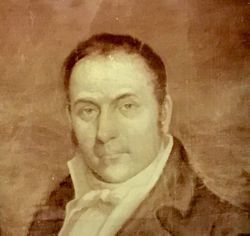
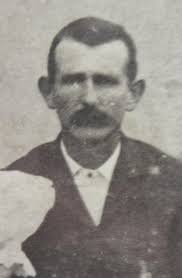
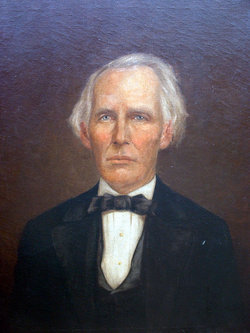
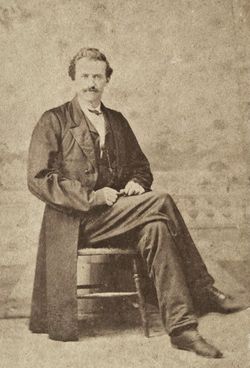
Pictured above is Colonel John Clark who was born in 1773 and died in 1850.
The first resident of Clark Cemetery to address the crowd was Walter Grizzard. Captain Grizzard commanded the company that was involved with General Nathan Bedford Forrest’s raids into West Tennessee. Captain Grizzard was also involved in the Battle of Parkers Crossroads. His friend and cohort was Major James B. Algee.
Pictured above, Major James B. Algee. Born in 1828 and died in 1863 in Hickman, Kentucky.

Major James B. Algee and Captain Grizzard had traveled together while on furlough. They had traveled to visit their families in West Tennessee. After the furlough, and on their way back to their duties in the Civil War, they were both captured. Major James B. Algee was sick at the time. Major Algee was taken to a prison that was located in Kentucky, which is where he died. He is buried somewhere outside the prison on a hill. However, there is a tombstone located in Clark Cemetery for him.

The account of the capture of Captain Grizzard and Major Algee was written by Captain Grizzard after the war around 1913. The account is captured at jstor.org/stable/42621073, for those who are interested in reading the account.

Walter B. Grizzard was born in 1833 in Huntingdon, TN and died in 1918 in Huntingdon, TN.
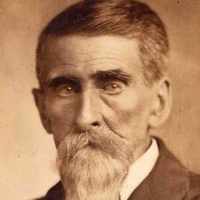
Walter Boggan Grizzard.

The next resident of Clark Cemetery to present to the group present was Rebecca Covington Clark, of the North Carolina Covington’s. Rebecca Covington was born in 1757 and died in 1848. Colonel John Kelly Clark was her husband. John and Rebecca Clark lived in North Carolina for a number of years after they were married. They moved from North Carolina to West Tennessee and settled in the area that was to become Huntingdon. John and Rebecca had two daughters. Colonel John Clark fought in the war of 1812 and he also served in the state legislature. In 1837, John Clark built a home for his daughter Julia and her husband, James. That home is now the oldest home in Huntingdon and is known as the Portis home.
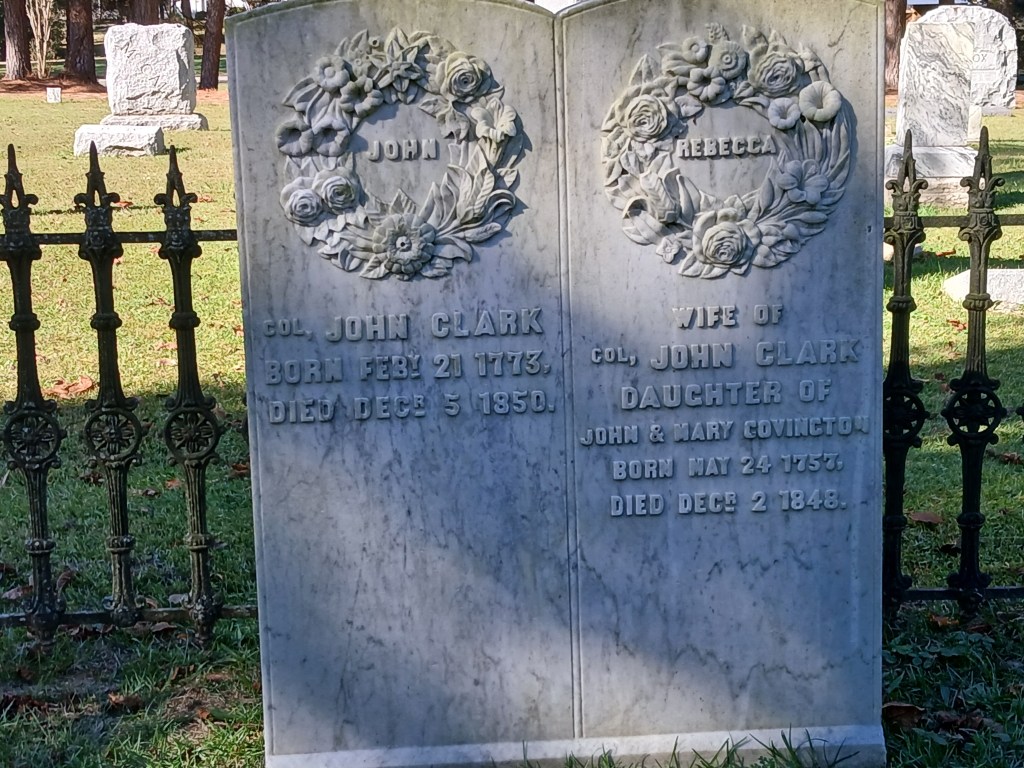
Tombstone for John and Rebecca Clark in the Clark Cemetery.
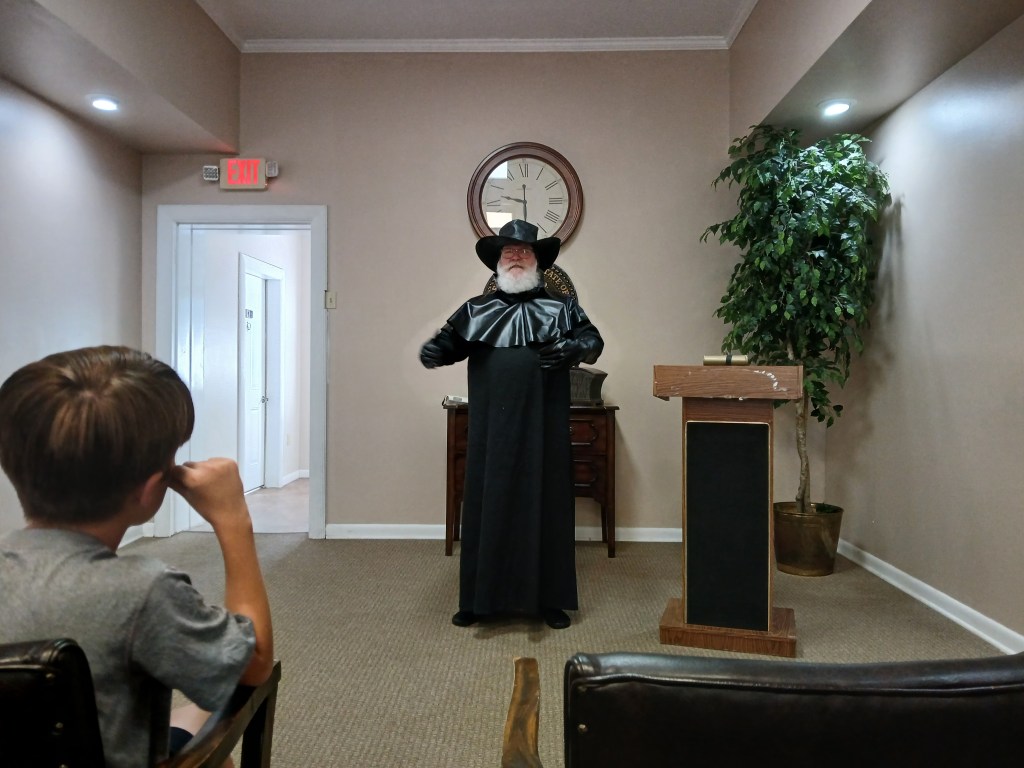
The final visitor to the meeting on October 15th was Dr. J. W. McCall, born in August of 1832. Dr. J.W. McCall was the ninth of ten children. His parents were Andrew and Jane Todd McCall. He was raised on a farm and attended the early schools in Carroll County. His brother, Dr. Henry McCall, had a practice in Clarksburg, Tennessee. J. W. McCall began his study of medicine in his brother’s Clarksburg office. Dr. McCall went to the University of Nashville and graduated in 1857. Dr. J. W. McCall attended Columbia University and also Tulane in Louisiana. In 1862, he became the assistant surgeon in the United States Army for the Seventh Tennessee Calvary. In 1858, he married Victoria Wilson, who was from Henderson County. They had four children: Lenora, Emma, James, and Fannie. The son, James Henry, became a doctor as well and graduated from Vanderbilt in 1896. James Henry, like his father, also went into the military. Lenora Josephine married Governor Hawkins son. Fannie married a Johnson and moved to Utah.

Above, the tombstone for Dr. J.W. McCall in the Clark Cemetery.
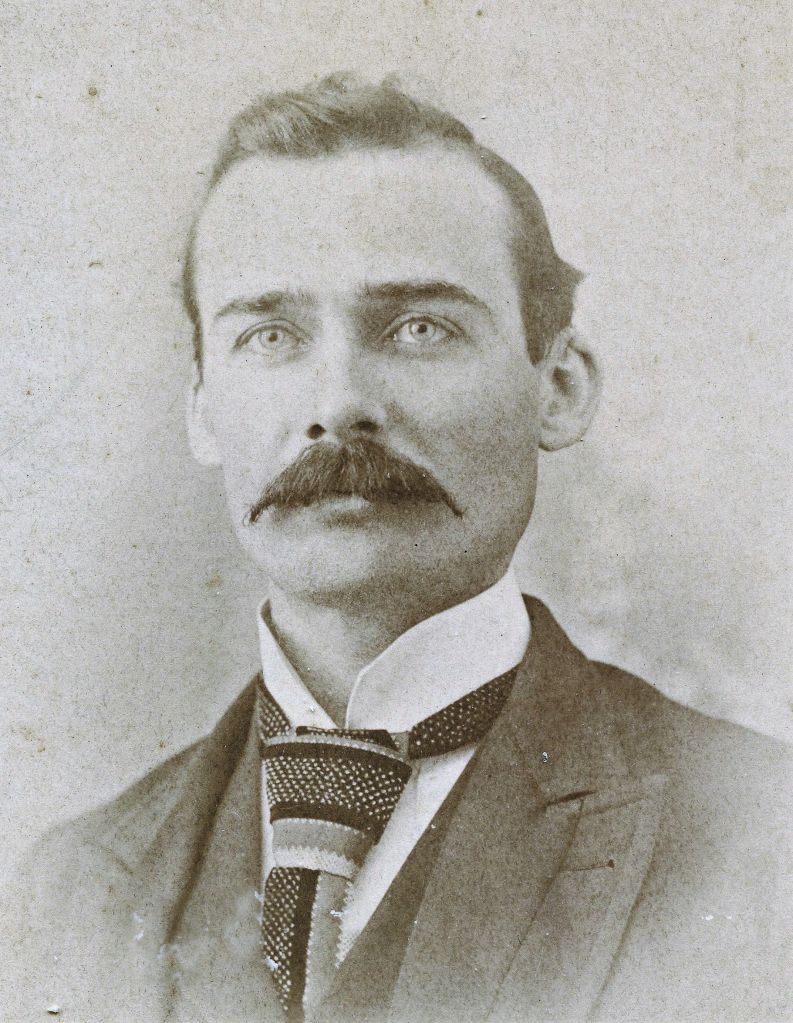
Image of James Henry McCall, Dr. J.W. McCall’s son.
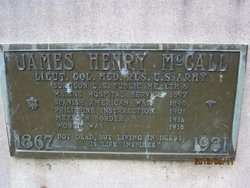
Tombstone for Dr. James Henry McCall.
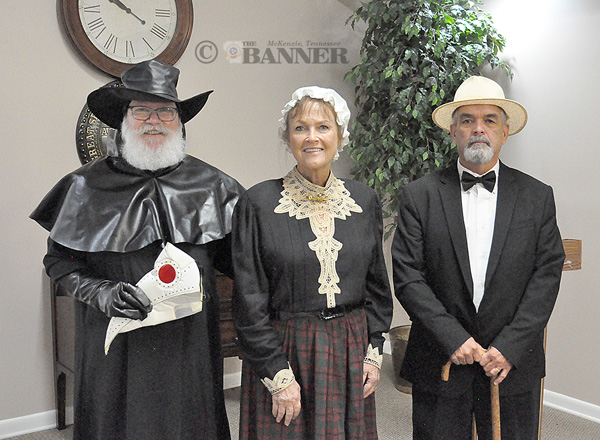
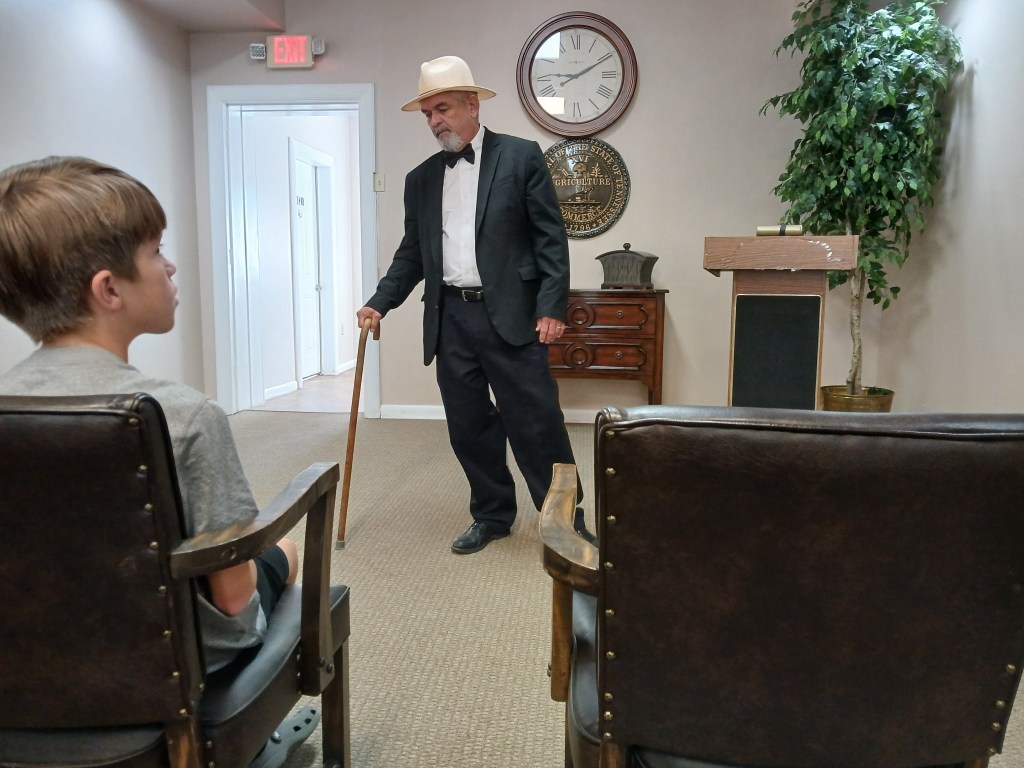
Many thanks to these wonderful members of our community who role played the historical characters on this day. Dr. Lee Carter as Dr. J.W. McCall. Melissa Powell as Rebecca Covington Clark. And last, but not least, Mr. Johnny McClure as Captain Grizzard. Thank you all very much.
The Dixie

https://www.facebook.com/share/v/1GnESyFX1V

On September 17, 2025, the Huntingdon TN Historical Society went to The Dixie, in Huntingdon, TN in order to conduct their monthly meeting. Above is the video associated with the presentation. At this meeting, Ms. Jean Newsome and Ms. Susan Cary gave the history of The Dixie. The full history of The Dixie is on The Dixie’s webpage at: dixiepac.net/history-and-mission. The following is a summary of the history of The Dixie.

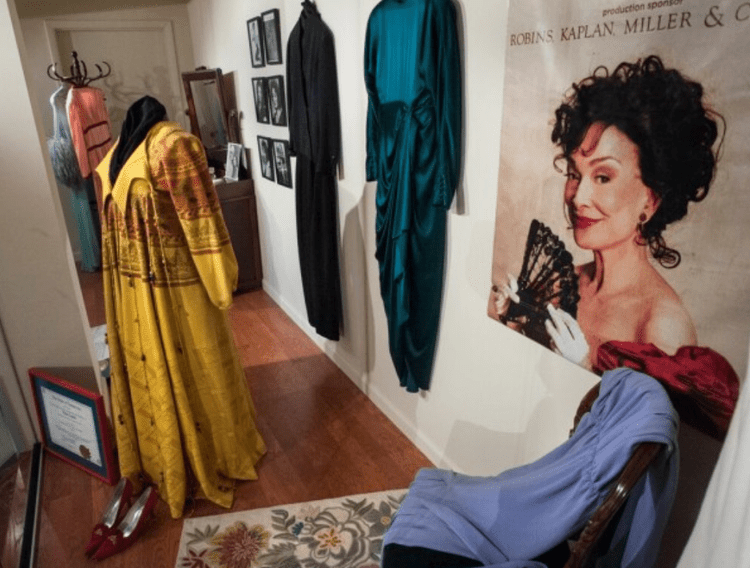
Above is the famous Dixie Carter as she explains what it means to be raised in a kind and nurturing atmosphere. Home. That is what Tennessee means to a lot of us. Home. Where our parents and ancestors lived and died. Home. Where we are loved and accepted by our family members and community members. Home. Where people try to be kind and considerate of others. Home. Where we, as members, are safe. Home is not perfect. The only perfect home is in Heaven. But this, in this case, Huntingdon, Tennessee is home.

The Dixie Carter Performing Arts Center was named after one of Carroll County’s most famous personages – Dixie Carter. Dixie Carter was born in McLemoresville, Tennessee in 1939. Dixie Carter became famous on the hit show, Designing Women. Dixie Carter played Julia Sugarbaker, one of the main roles. Dixie Carter also is known for her roles on Desperate Housewives and Family Law. Dixie made her debut in 1960 in a production of Carousel. She moved to New York City in 1963 and landed a role in an off Broadway production of Shakespeare’s A Winter’s Tale.

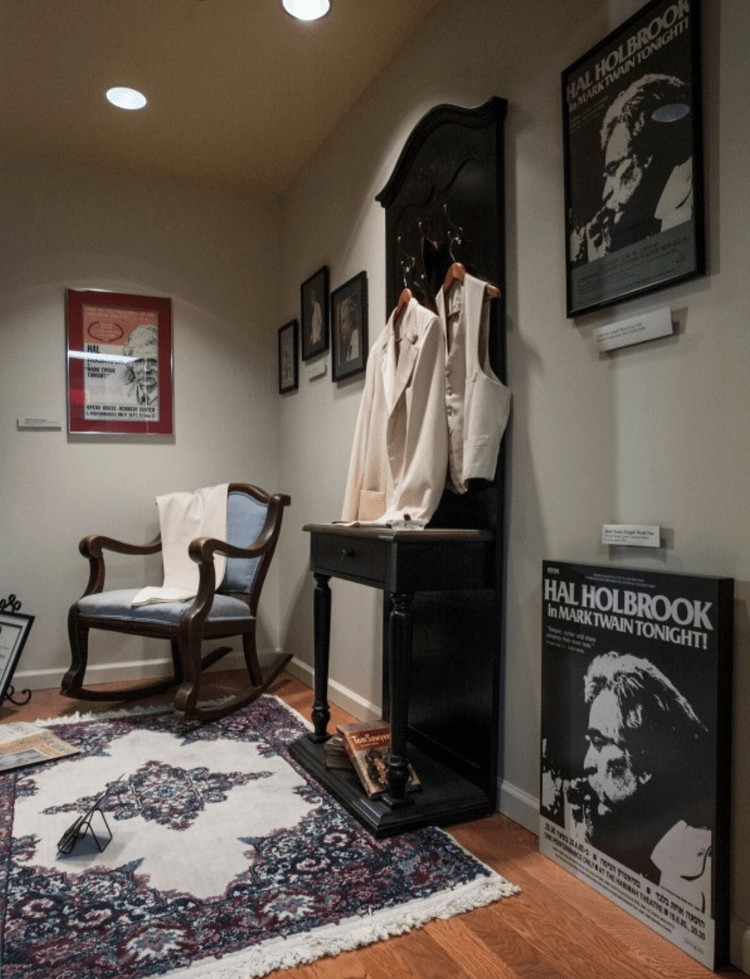
Dixie Carter moved to Los Angeles in 1979 and married actor Hal Holbrook in 1980. Besides the roles listed above, Dixie Carter had roles in Diff’rent Strokes and The Edge of Night, among many other roles.

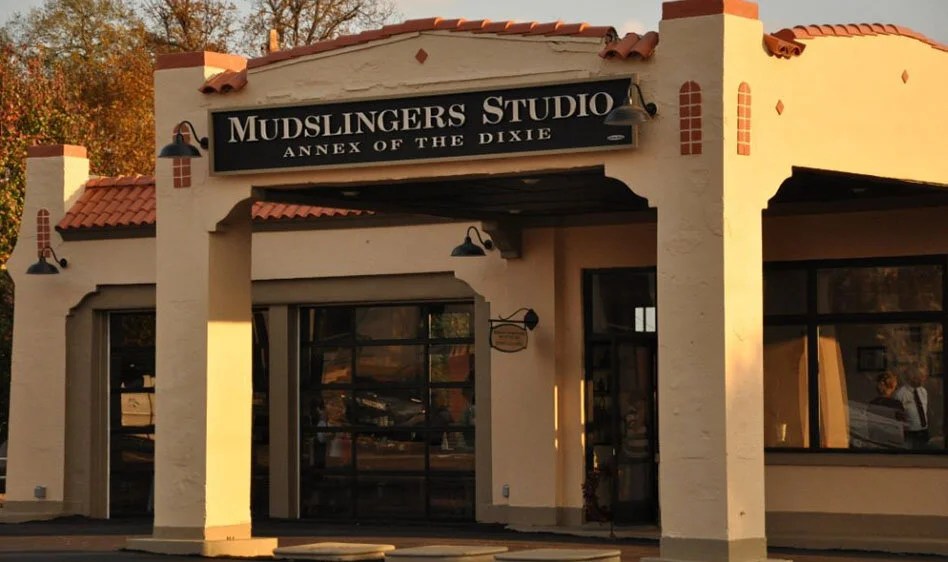
Pictured below is the Mudslingers Studio, which is a part of The Dixie. The Mudslinger Studio offers classes in pottery to local people. The Dixie also offers music programs and Summer Camp programs.

The Dixie also offers tours and has recently renovated portions of The Dixie.

The Dixie was built on the court square of Huntingdon, TN. Hal Holbrook gave his expertise during the building of the theater in the Dixie, which is why the theater is named after him.

The origins of The Dixie began in December of 1999 with Mayor Dale Kelley, who unveiled plans for The Dixie. The original idea had been to place the theater into the original buildings in place, which were 125 years old. However, in 2004 during early construction, a portion of the south wall of The Dixie collapsed. After a safety assessment, it was decided that the safest route was to completely demolish the existing buildings. The original buildings were demolished and bricks from the original buildings were used throughout the Dixie when building The Dixie.

The Hal Holbrook Theater has hosted many great performances. Some include the following: New York City Ballet, Nashville Symphony, Richard Marx, Lady Antebellum, Ronnie Milsap, Carol Channing, Sara Evans, and the Glenn Miller Orchestra, just to name a few.

In addition to The Dixie’s webpage, information on this page came from volopedia.lib.utk.edu/entries/dixie-virginia-carter. Come visit The Dixie! You’ll be glad you did!

National Guard Unit, Huntingdon, Tennessee

https://www.facebook.com/61550545093433/videos/1134510531876696

View the link above for a video presentation of the history of the National Guard Unit in Huntingdon, Tennessee. The presentation was by Major General Tommy H. Baker.

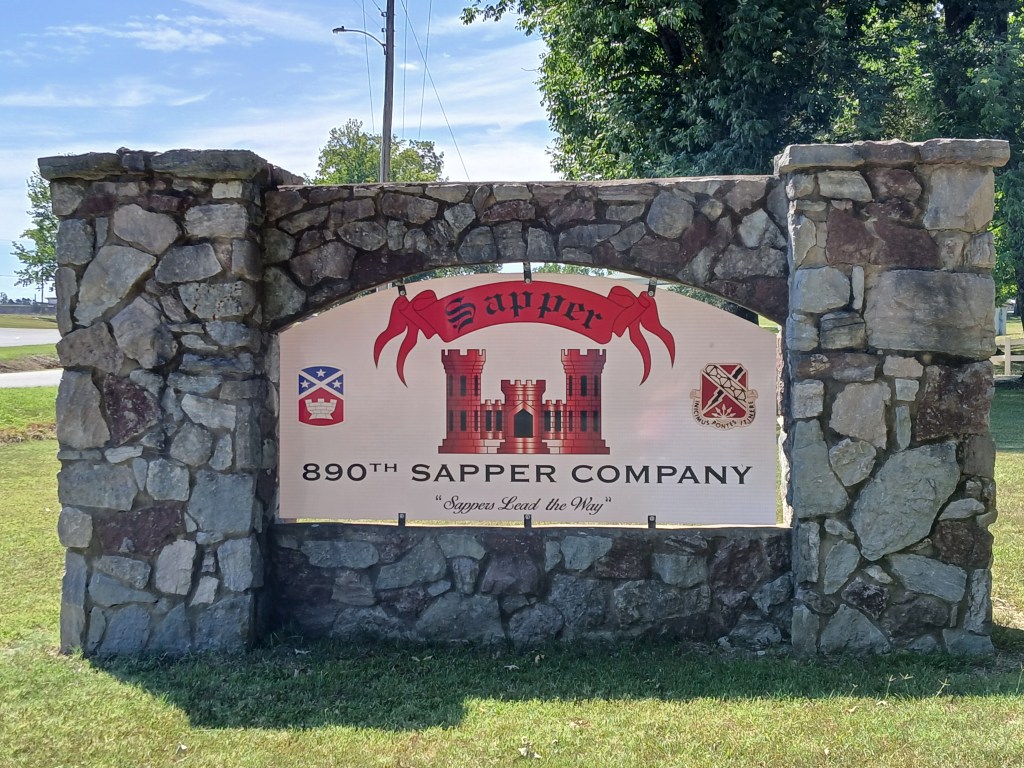
Above, is a picture of the sign that is in front of the National Guard Unit in Huntingdon, Tennessee.

I want to thank Major General Tommy H. Baker for his presentation to the Huntingdon TN Historical Society on August 20, 2025. As stated above, the link to the video presentation is at the top of his article. Major General Baker did an excellent job of discussing the Huntingdon National Guard unit.

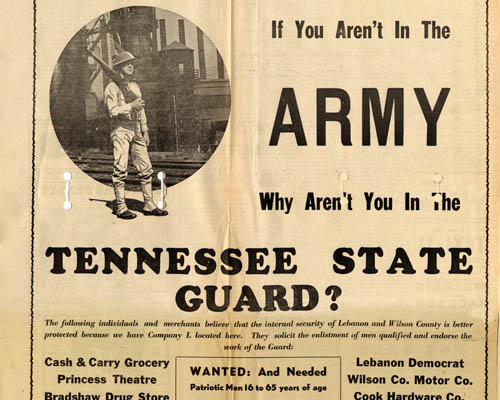
In researching this topic, I came upon information on the Tennessee State Guard and more information on the Tennessee National Guard. The Tennessee State Guard became necessary to protect the state when the Tennessee National Guard had gone off to war. As both the State Guard and the Tennessee National Guard evolved along similar lines, I will be discussing both groups here as well.

The local National Guard unit in Huntingdon, Tennessee is Troop B, 230th Cavalry, which is part of the Tennessee Army National Guard. This unit is a component of the larger 278th Armored Cavalry Regiment. The Tennessee National Guard can be called into service by the governor, but it is also part of the Department of Defense. The Huntingdon National Guard has been deployed in national and international events. It is a volunteer force that responds to state emergencies and national security needs.

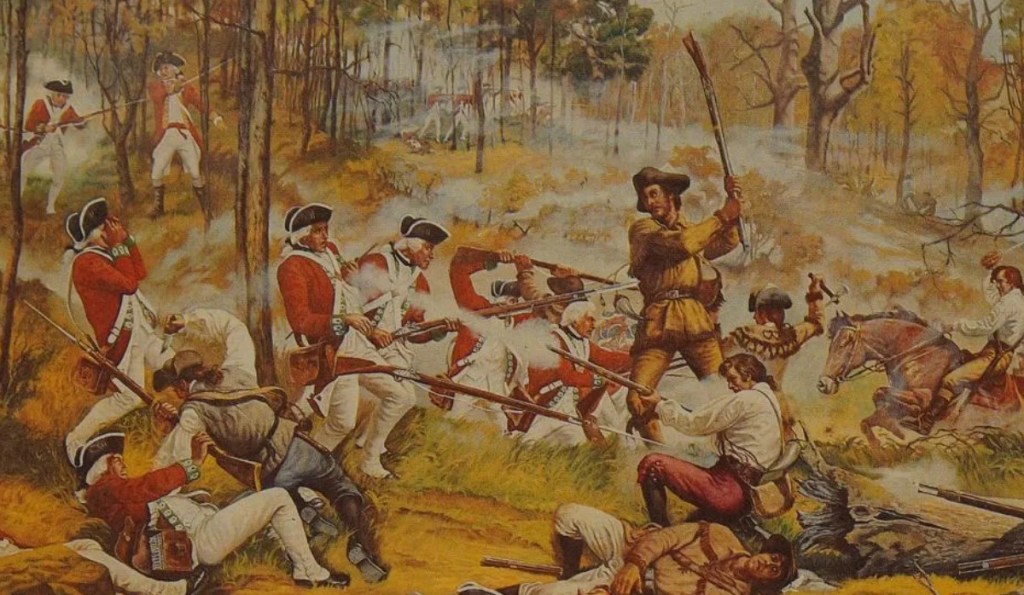
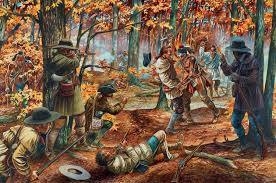
The Tennessee State Guard traces its’ origins back to the Revolutionary War during the Battle of King’s Mountain. During this fight, 400 volunteers from the area that is now the State of Tennessee crossed the mountains into North Caroline and fought against the British Army and Loyalist militias.

Above, an image of the Battle of King’s Mountain.

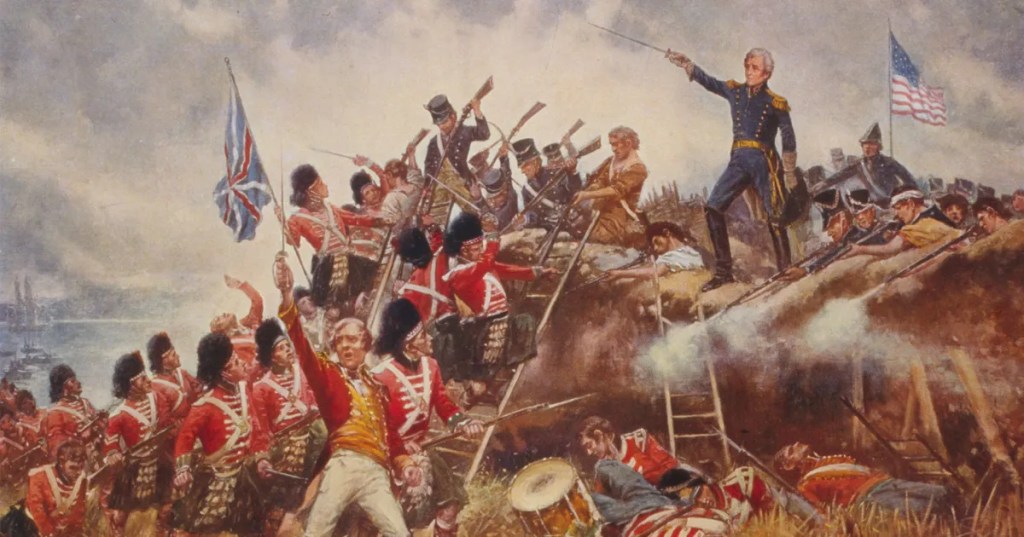
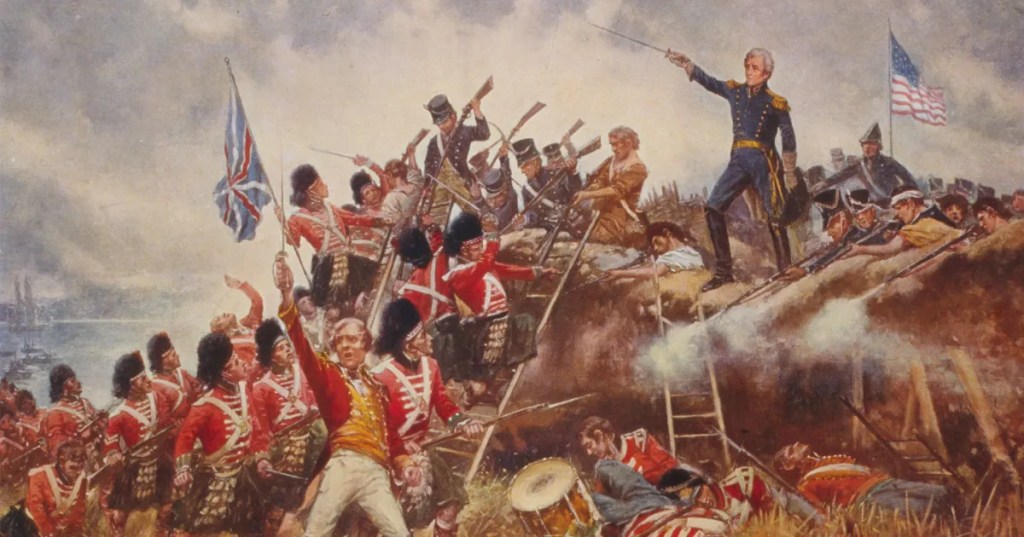
Tennessee militias also served in the War of 1812 under Andrew Jackson. The Tennessee militias fought in the battle of Horseshoe Bend and in the Battle of New Orleans. They fought with distinction.

Above, image of the Battle of New Orleans

It was during the Mexican-American War that Tennessee first became known as The Volunteer State because Tennessee provided ten times the requested volunteers for the Mexican-American War.

On May 7, 1861, the State of Tennessee aligned militarily with the Confederate States of America. The defense of the State of Tennessee was placed into the hands of the President of the Confederacy. The formal transfer of the troops from the State of Tennessee to the Confederate States on August 7, 1861.

During the Reconstruction Era, Governor William G. Brownlow established The Tennessee State Guard as a state militia to counter anti-Reconstruction efforts. The State Guard was used to police elections, protect freedmen, and to thwart violent groups like the KKK.

In 1915, after the Tennessee State Guard was federalized, the State of Tennessee created the Tennessee Rangers who in 1916 were deployed into Stewart County to counter the destruction of properties by the KKK. The Rangers also helped to maintain order during World War I and were disbanded in 1923.

Above, a picture of Tennessee Ranger EA Tucker, circa 1900s. He was one of the ten Rangers appointed by Governor Rye in 1915.

In 1941, the Tennessee State Guard was reinstated by Governor Prentice Cooper. The state guard received training from the federal military and within a year, the Tennessee State Guard was the fifth largest in the United States and the largest guard in the South. The State Guard was active and a few of the activities included: guarding a Boeing B-17 Flying Fortress after the plane had been forced to make an emergency landing outside of Pulaski, Tennessee; maintaining peace after a riot in Bristol, Tennessee; providing relief after a train crash in Jellico, Tennessee; and helping to capture three escaped German prisoners from Camp Forrest. The Tennessee State Guard was again made inactive in 1947 when the National Guard units returned home.

In 2004, the Tennessee State Guard was activated to assisted the 278th Armored Calvalry Regiment with pre-mobilization during the Iraq War.

The State Guard is a state only volunteer defense force with no federal authority. The State Guard supports the National Guard and civil authorities within the State of Tennessee. The Tennessee National Guard is part of the U.S. Armed Forces and has both state and federal missions.

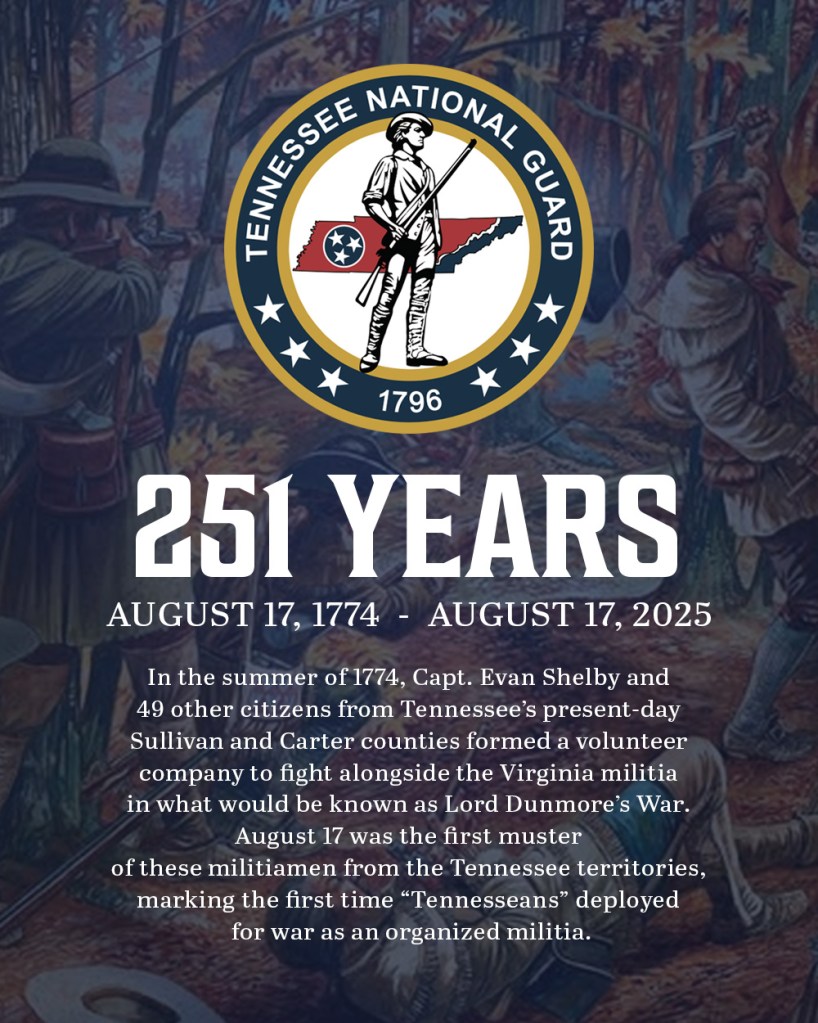
The earliest roots of what would later become the Tennessee National Guard began in 1774 to combat Shawnee Native Americans. On October 10,1774, the militia defeated the Shawnee at what was known as the Battle of Point Pleasant.

During the American Revolution, in 1780, John Sevier and Isaac Shelby lead 240 militia men and joined others at Sycamore Shoals. John Sevier, Isaac Shelby, and the “Overmountain Men” participated in the Battle of King’s Mountain. This was the turning point in Britain’s southern campaign.

In 1794, William Blount negotiated a truce with the Chickamauga and militiamen secured the southwest territory, area that would later become Tennessee.

On June 1, 1796, Tennessee achieved statehood.

Brave Tennesseans! We must hasten to the frontier, or we will find it drenched in the blood of our fellow-citizens! Major General Andrew Jackson.

Major General Andrew Jackson was Commander of the Tennessee Militia in 1812. Tennesseans readied themselves for another war with Great Britain. At the same time, Tennesseans also fought the Creek Indians.

On January 8, 1815, the British were defeated at the Battle of New Orleans’

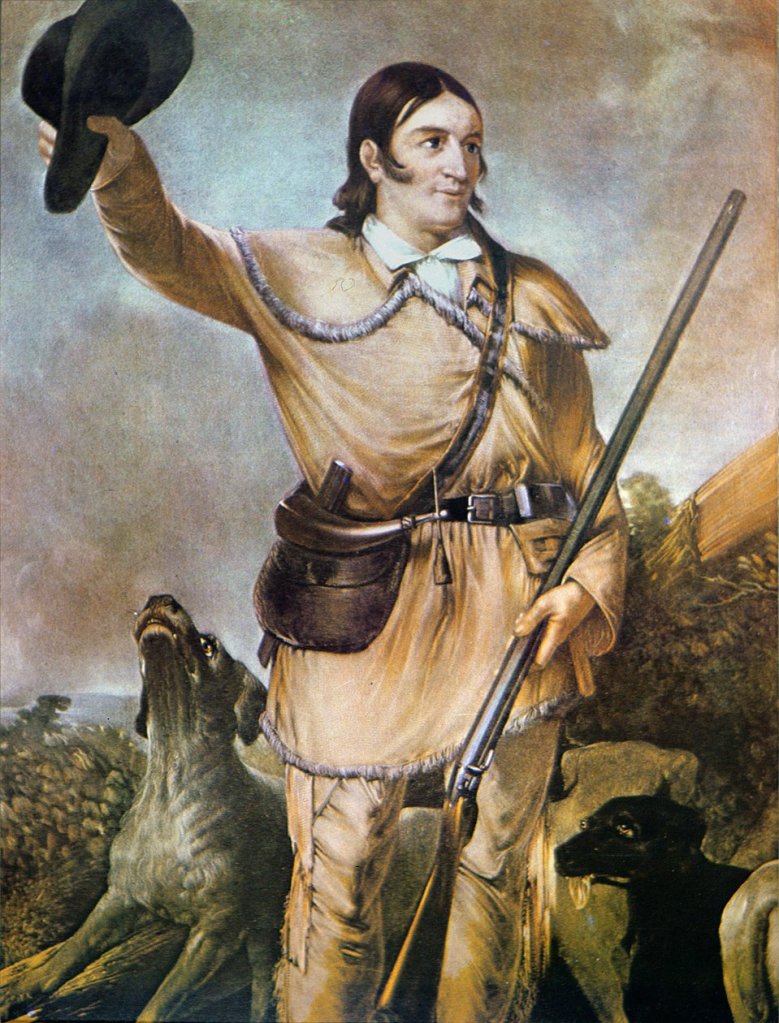
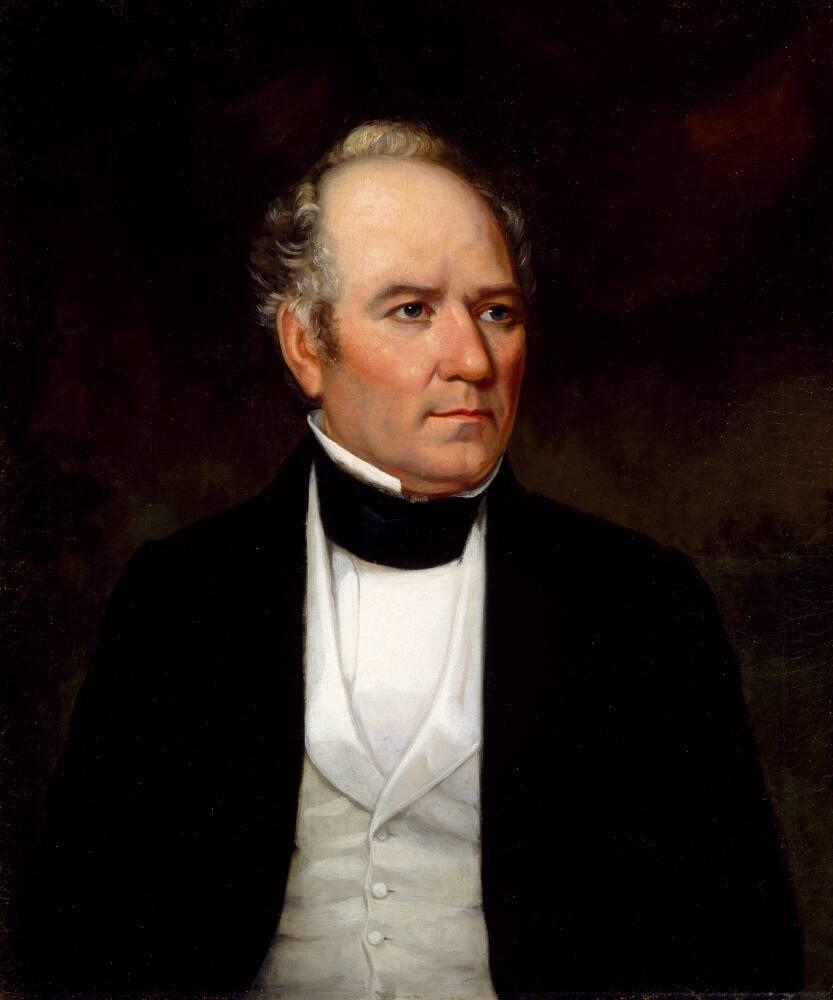
In March 1818, David Crockett was elected Lieutenant Colonel of the 57th Regiment of Militia. The same year, Sam Houston became adjutant general.

Above, pictures of David Crockett and Sam Houston, respectively.

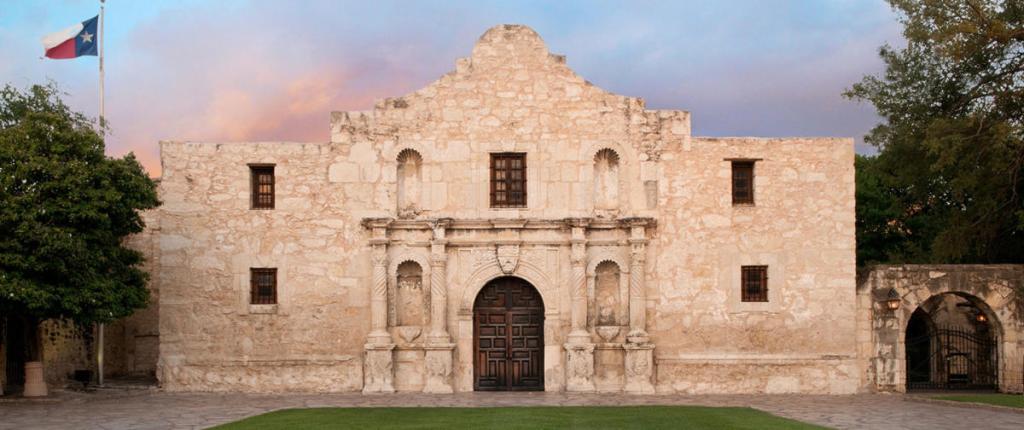
On March 6, 1836, David Crockett and other Tennessee Militiamen died in Texas at the Alamo.

The Alamo, where Tennessee Militiamen died defending it from the Mexican Army.

Tennessee Militiamen continued to serve and to protect the State of Tennessee throughout the Civil War, Reconstruction, and the Mexican-American War, and various state emergencies. In 1887, the 45th General Assembly in Tennessee established the Tennessee National Guard.

In 1898, the 1st Tennessee Infantry Regiment deployed to the Phillipines in the Spanish-American War. When the Spanish-American War ended the 4th Tennessee Infantry Regiment became an occupying force in Cuba.

The Tennessee National Guard participated in World War I and World War II. In World War II, the Tennessee National Guard served with distinction, being called “Roosevelt’s Shock Troops” by the German High Command for the Guard’s actions at Saint Barthelmy and during the Battle of the Bulge.

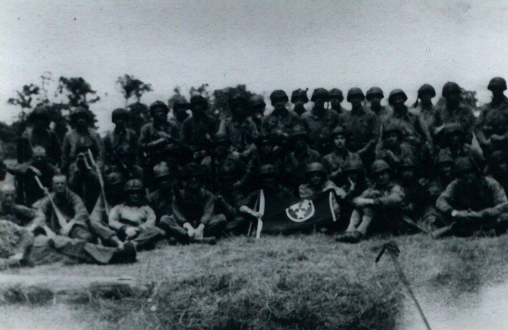
117th Regiment in Normandy. Photo by Barbara Whitaker.

The 117th Infantry Regiment, primarily Tennessee Guardsmen, received five presidential unit citations and was one of the most decorated infantry regiments.

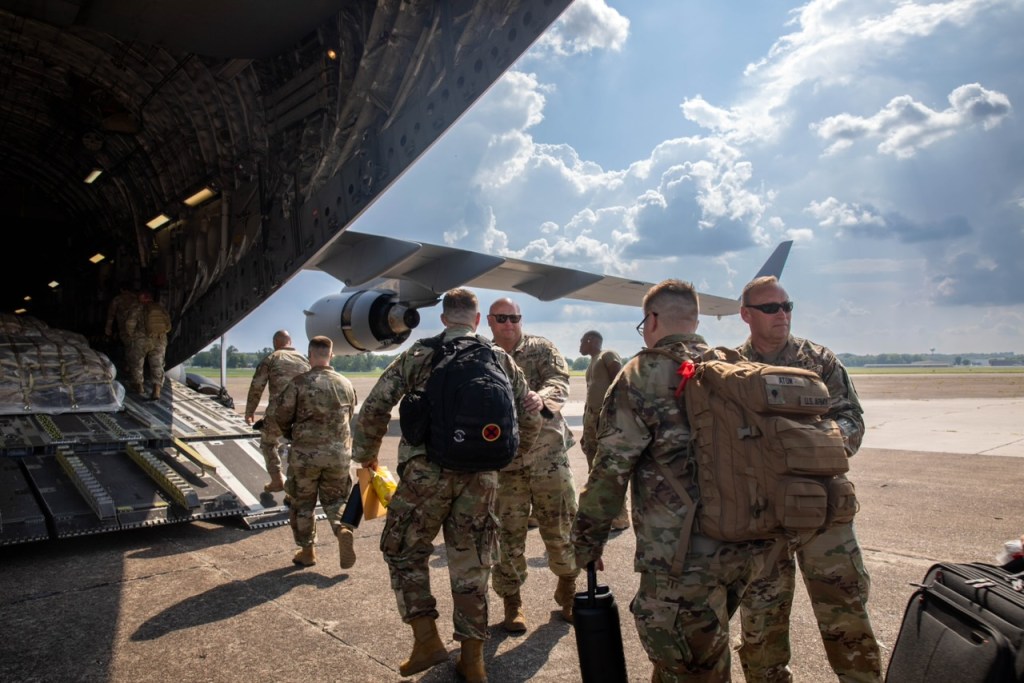
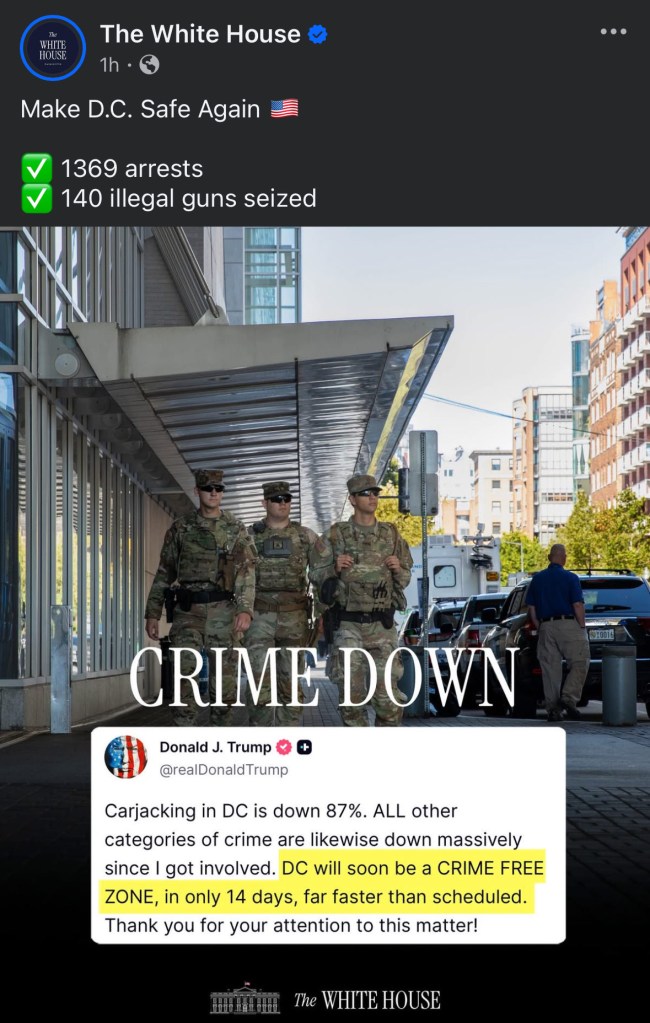
Tennessee Guardsmen served in the Korean War as well as in the Gulf War. On September 11, 2001, Tennessee Guardsmen moved quickly to secure the State of Tennessee. The Tennessee National Guard has assisted in many state emergencies, including weather emergencies. Most recently, the Tennessee Guard has gone to Washington D.C. to help secure the capital against rampant crime.

Tennessee Guardsmen departing for Washington D.C. to assist local and federal law enforcement.

Tennessee Guardsmen in Washington D.C. Guardsmen from 118th MPAD (Mobile Public Affairs Detachment). Photo by Sergeant Kalina Hyche.

The National Guard in Huntingdon, Tennessee has been around for approximately 113 years. On January 29, 1912, Ambulance Co. #1 with 30 men, one truck, two mule drug ambulances, under Colonel Fred Phillips was present in Huntingdon. In 1917, Huntingdon had the first Field Artillery Regiment. As stated above, the Huntingdon National Guard has participated in both World Wars, the Korean War, the Gulf Wars, and other international events.

At some point in history, the unit in Huntingdon was absent. In November of 1947, the National Guard unit was established in Huntingdon again. In 1948, the infantry unit went to a tank unit. On February 29, 1952 what is known as the Leap Day outbreak of tornados hit. The Huntingdon Guard responded.

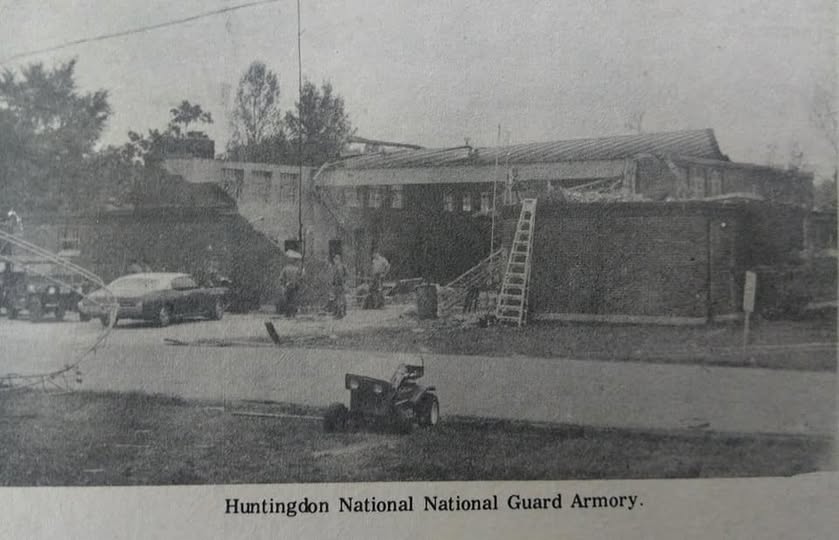
In 1971, there was a tornado outbreak that hit Huntingdon, Tennessee and the original Armory was damaged at that time.

In 1968, the Huntingdon Guard was deployed to Memphis after Martin Luther King’s assassination. In 1978, the Huntingdon Guard was alerted for the police and fire strike in Memphis.

The armory that is currently on Mustang Drive in Huntingdon was built in 1974 to replace the one that was damaged in 1971.

Most recently, the Huntingdon Guard has participated as support in the aftermath of Hurricane Helene and with other flooding in Obion County this past Spring.

The Huntingdon National Guard and the Tennessee National Guard have always served with distinction. In August of this year, the Tennessee Guard celebrated 251 years of service.

May we always remember those who serve and protect.

The sources of information provided in this article include: presentation by Major General Tommy H. Baker, TN. Gov., Facebook/TNNationalGuard, TN National Guard Timeline, and Wikipedia.

Liberty All Church, Huntingdon TN

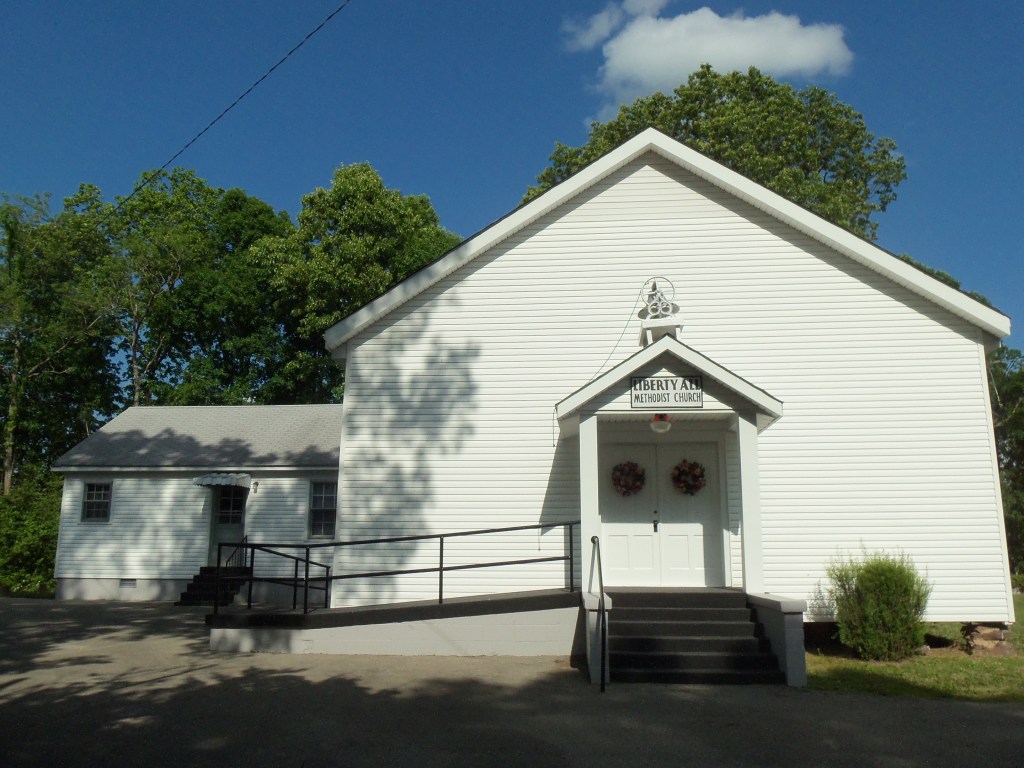
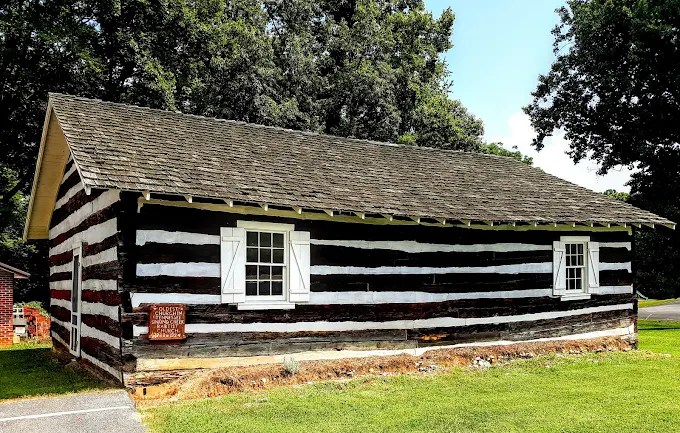
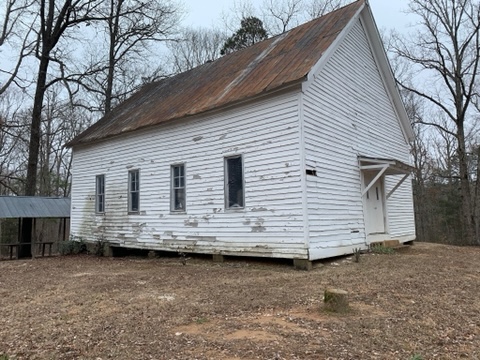
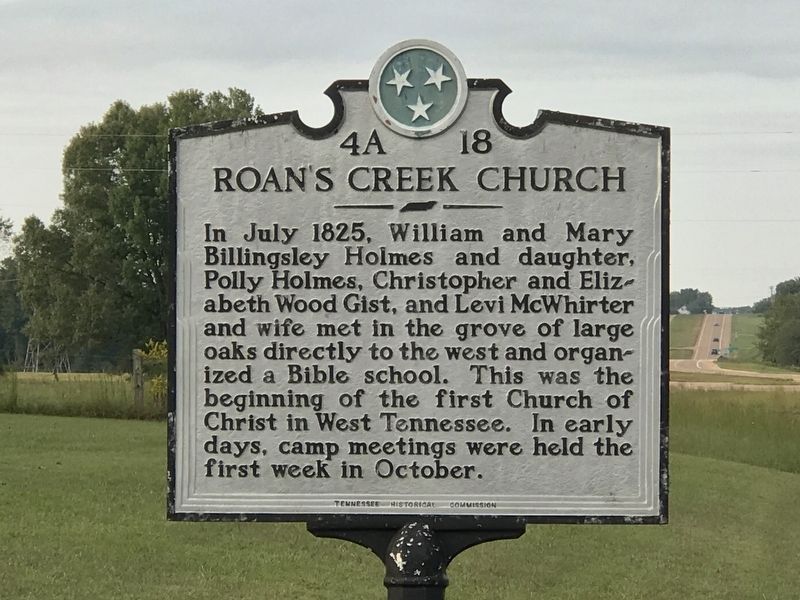
On October 18, 2023 Ms. Carolyn Espey gave a presentation before the Huntingdon TN Historical Society regarding Liberty All Church, which was established in 1855. It is over 170 years old. Liberty All Church is one of the older churches in Carroll County. Other long established churches in Carroll County include Roan’s Creek Church of Christ in Clarksburg, Palestine Church in Clarksburg, and Hollow Rock Primitive Baptist Church in Bruceton, TN. Roan’s Creek was established in 1825, Palestine dates back to around 1830, and Hollow Rock Primitive Baptist was established in 1823.

Liberty All hosts an annual Memorial Day Service for all the veterans. The church bell is also original to the church. At the Memorial Day Service, they have a guest speaker who is a veteran, all the veterans in attendance are recognized, and the 75 veterans who are buried in Liberty All’s cemetery will be read. Flags are also placed on all the veteran’s graves.
The State of Tennessee is rich with such history. Sinking Creek Baptist Church in Johnson City is considered to be the oldest church in Tennessee and was founded in 1772. The pioneer churches of Carroll County included Baptists, Primitive Baptists, Presbyterians, Cumberland Presbyterians, and Methodist.

Above, Sinking Creek Baptist Church in Johnson City.

Above, Palestine Church

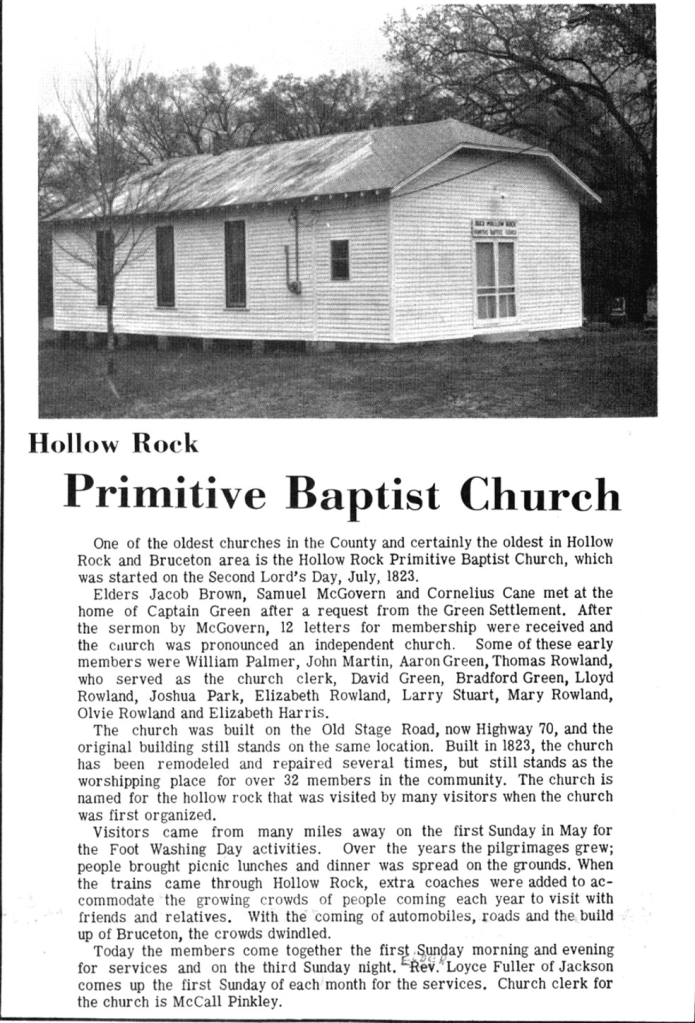
Hollow Rock Primitive Baptist Church, 200 Years of Service

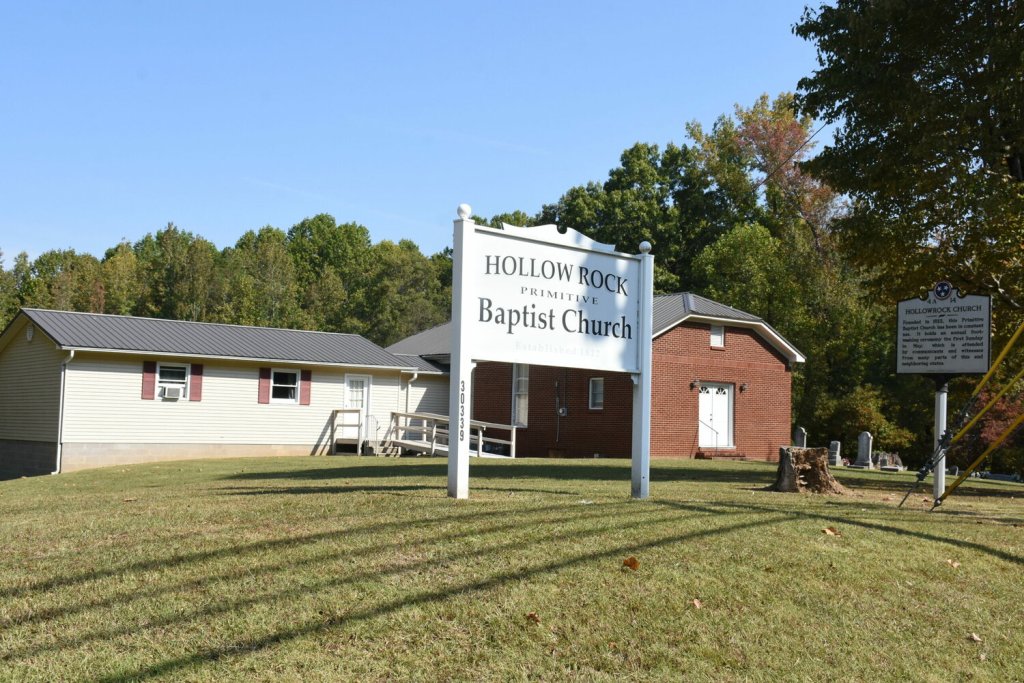
On July 17, 2024 Elder Tim Stepp was the Storyteller at the monthly meeting of the Huntingdon TN Historical Society. Elder Stepp spoke on the history of the Hollow Rock Primitive Baptist Church that is located on Broad Street (Highway 70) in Bruceton, Tennessee. The history of the Hollow Rock Primitive Baptist Church largely comes from the minutes of the church that have been taken since 1822.

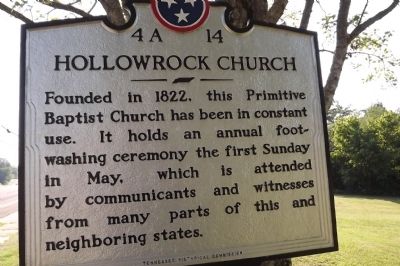
The Hollow Rock Primitive Baptist Church was founded in October of 1822 and a church was constituted in July of 1823. Prior to July of 1823, the congregants met in their homes. When the church was constituted, there were approximately 45 members. The State of Tennessee has recognized the church as a historical building and there is a marker on the grounds of the church. It was erected by the Tennessee Historical Commission.
In 1823, Captain Green, Cornelius Cane, Samuel McGowan, and Jacob Browen formed a presbytery and established the church.

The church has celebrated communion and foot washing services twice a year, in May and in October. The May celebration has historically brought thousands of people to the celebration where, after the church service, lunch and fellowship was served on the lawn of the church. People came from all over to attend the service. The land which the church stands on was originally deeded to it by the L&N Railroad around 1923. The current main structure was built around the 1900’s when the original church burned. The current building has gone through some changes. It has been bricked and a Fellowship Hall added.

On Saturday, October 15, 2022 the Hollow Rock Primitive Baptist Church celebrated 200 years of continuous service.

Primitive Baptist Churches were important founding institutions of the State of Tennessee. Also important to its’ founding were Methodist, Baptist, and Presbyterian religions. Primitive Baptist Churches can be found all the way from East Tennessee to West Tennessee, so important was this church, and other churches, to the communities in Tennessee.

Max Crockett, Huntingdon Native and World War II Hero

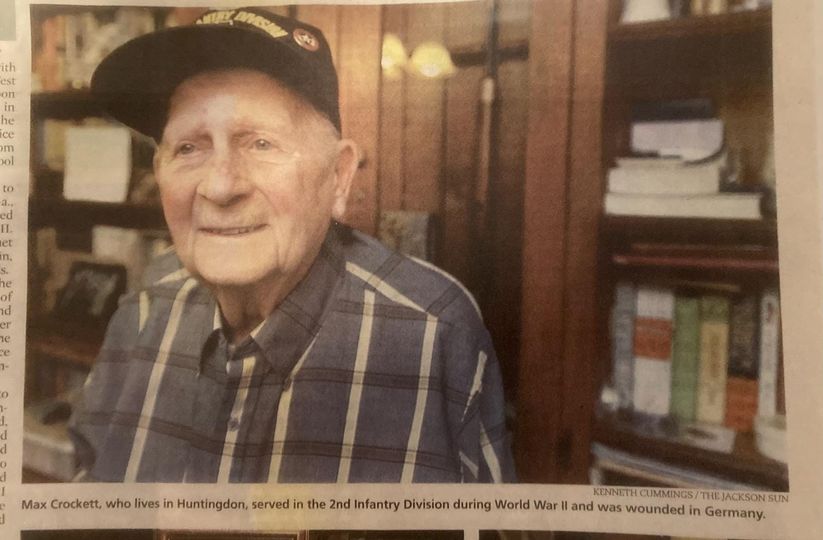
On February 21, 2024, Jimmy Crockett, son of Max Crockett, was the Storyteller for the Huntingdon TN Historical Society. Jimmy Crockett gave a presentation on his father, Max Crockett.

Max Crockett was born on August 20, 1922 in Wildersville, Tennessee. He graduated from Huntingdon High School in 1940, where he was a three sport athlete. In January of 1943, Max Crockett left Huntingdon and began military training at Camp Oglethorpe, near Macon, Georgia. He also received military training at Camp McCoy in Wisconsin. In October of 1943, he left the United States and traveled overseas to Belfast, Ireland.

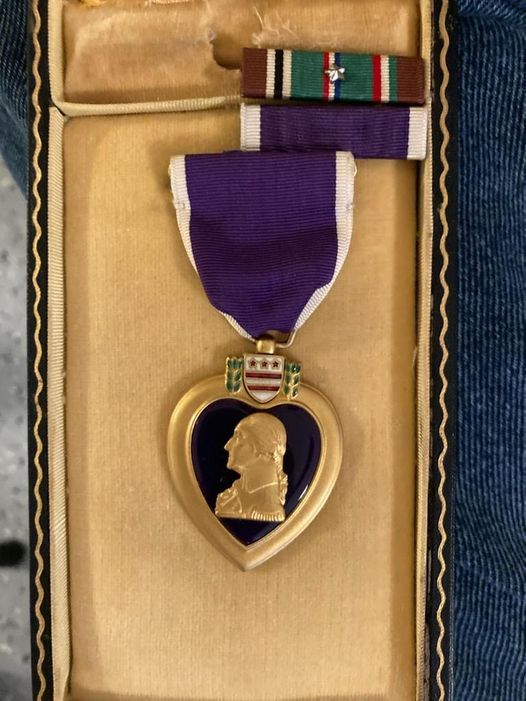
In his service to the US military during WWII, he served in various locations in Europe, including England, Wales, France, Belgium, Germany, and Czechoslovakia. He served during the Normandy Invasion on June 6, 1944 and was in the second wave that landed on Normandy. Max Crockett was also present and serving at the Battle of the Bulge, where his squadron met up with a German squadron. Max Crockett received the Purple Heart for his bravery during the Battle of the Bulge.

On August 24, 1944, Max Crockett was awarded the Bronze Star for gallantry for his service in France. Max Crockett served in WWII from October of 1943 until the end of the war in 1945. By the end of the war, he was a Staff Sergeant.

Following service in WWII, Max Crockett worked for the United States Postal Service and retired in 1979. He died on February 21, 2016.

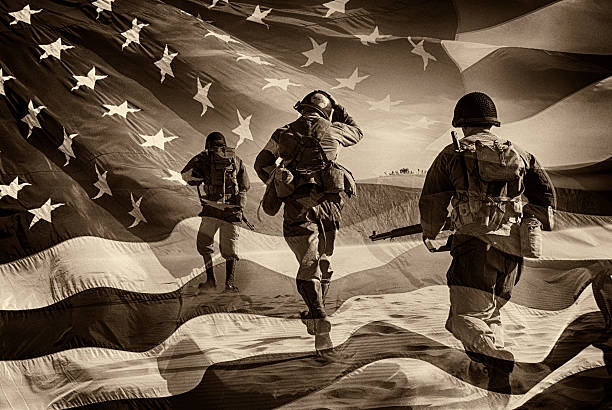
Three Active Duty American Soldiers Running Through a horizontal image of a field of stars and stripes. Battle ready and running. Sepia Toned. Grain. Composite Image.

Tennessee is known as the Volunteer State. In WWII, there were three military camps in Tennessee that trained troops. They were Camp Forrest, Fort Campbell, and Fort Tyson. There were also several small air bases that trained pilots. In WWII 315,501 Tennesseans served in the military. 5,731 servicemen lost their lives.

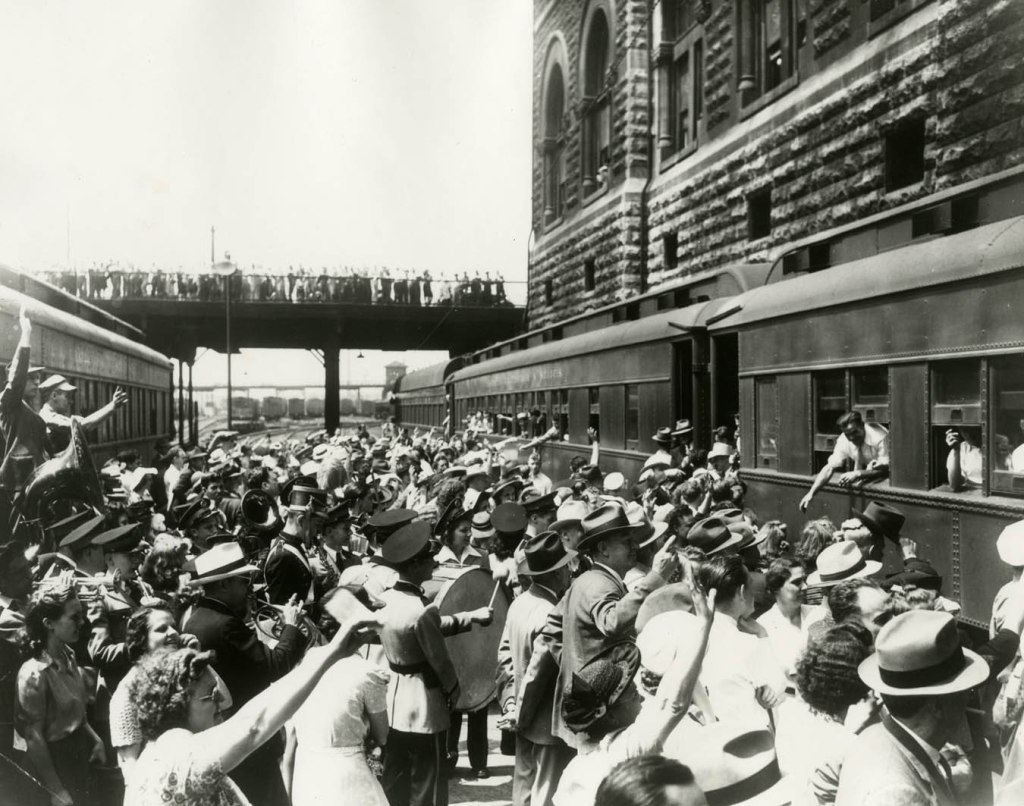
Above is a crowd saying goodbye to troops at Union Station, Nashville.

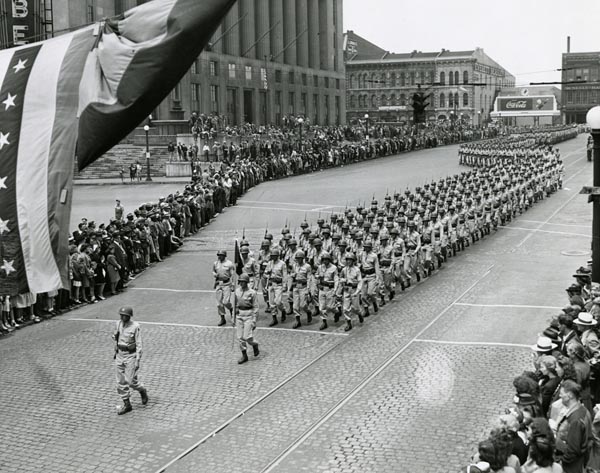
Above is a WWII Victory Parade in 1945 in Nashville, Tennessee.

Besides information received from Jimmy Crockett during his presentation, this article also has information/pictures from the Tennessee State Library and Archives.

The History of Carroll County General Hospital

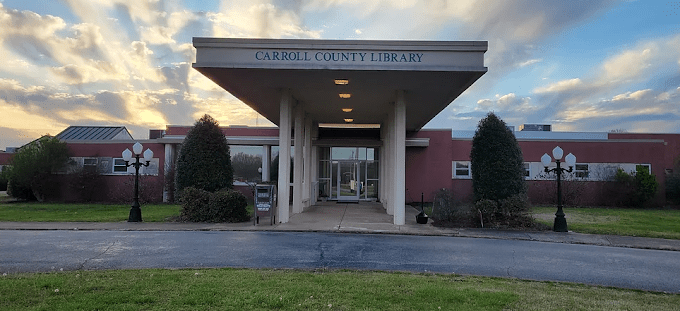
In 1965, the hospital opened and was known as Wilson Hospital until 1974 when it became known as Carroll County General Hospital. The Carroll County Library is now located in what was the original hospital building. In 1985, it was bought by Baptist Memorial Health Care Corporation and the name was changed to Baptist Memorial Hospital – Huntingdon. In 2018, the name was changed to Baptist Memorial Hospital – Carroll County, due to the closing of the Mckenzie Regional Hospital and Baptist Memorial acquiring assets if Mckenzie Regional. The hospital was moved to its’ current location on Wilson Drive in 1988.

The health care services that are provided to the area have grown significantly in this time span. Services now include catscans, MRI’S, occupational therapists, speech therapists, mammograms, telemed services, and Baptist now has a Hospitalist on staff.

This presentation was given to the Huntingdon TN Historical Society on March 20, 2024 by Kathy Whitehead, who had gone to work at Carroll County General Hospital in 1973 and eventually became a supervisor.

Early medical practitioners in Carroll County included Dr. Samuel Young “SY” Bigham, who was born in Kentucky, but moved to McLemoresville, Tennessee. He was born in 1800 and died in 1887.

Above, Dr. Samuel Bigham.

An Ill-Fated Plane Crash in Huntingdon, Tennessee

https://www.facebook.com/reel/851480247004438

Above is a link to the video presentation made at the Huntingdon TN Historical Society meeting on this plane crash. The storyteller was local attorney Kent Jones.

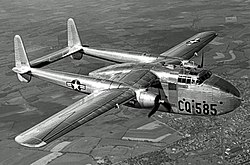
On February 26, 1954, aboard a Fairchild C-119 Flying Boxcar, a crew of four people took off from Fort Benning-Lawson Air Force Base in Columbus, Georgia on a training flight to Maxwell Air Force Base in Montgomery, Alabama. The crew consisted of the following:

1st Lt Jack C. Jenkins, pilot,
2nd Lt John C. Peachey, copilot,
A2c Franklin D. Levy, flight engineer,
A2c David A. Probus, flight engineer.

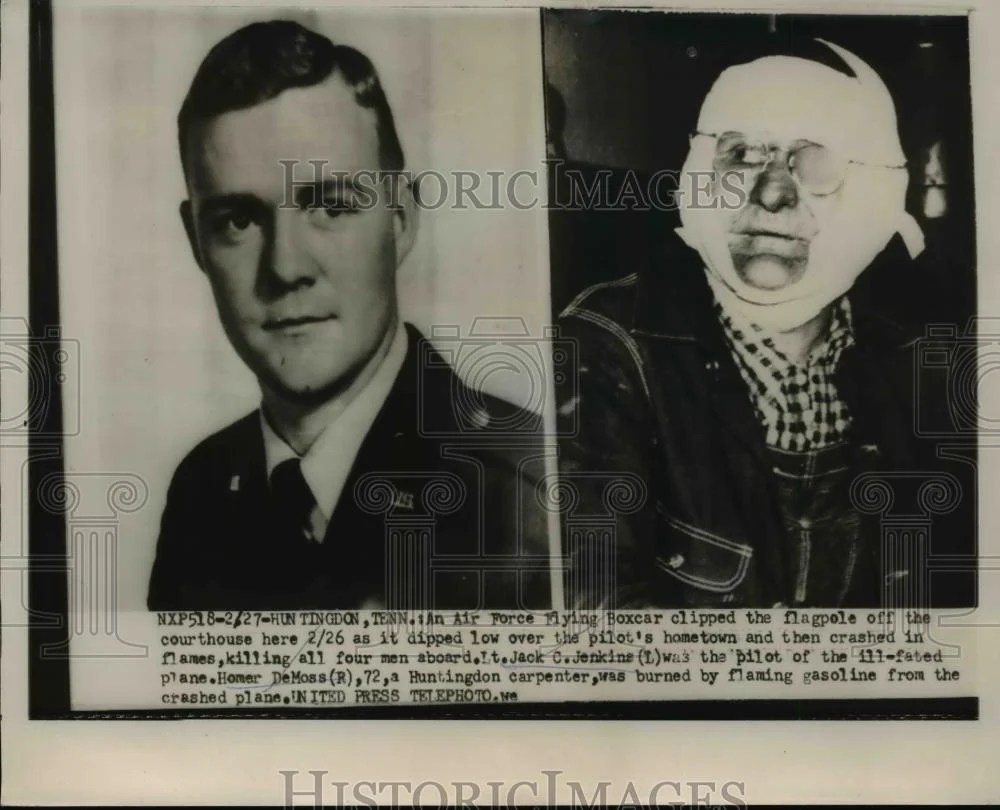
The pilot, 1st Lt Jack C. Jenkins, was from Huntingdon, Tennessee. Lt. Jenkins was an experienced pilot with an unblemished record. He had flown combat missions in Korea. As he was from Huntingdon, it had been a goal of his to buzz the town of Huntingdon. After leaving Fort Benning, Lt. Jenkins had decided to modify his schedule and Lt. Jenkins flew towards Huntingdon, Tennessee.

As Lt. Jenkins approached the town of Huntingdon, he dropped to 700 feet and went over the courthouse and the High School and the Elementary School. There children outside playing on the playground at this time. Jenkins then turned toward the town of Bruceton, turned, and headed to downtown Huntingdon. He aimed toward the courthouse.

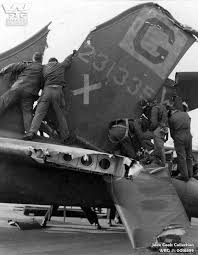
At the time, there were about 50 people on the second floor of the courthouse and about 30 people on the first floor and basement of the courthouse. Business in the town stopped and everyone looked skyward. While headed to the courthouse, Lt. Jenkins realized that he was too low and he attempted to raise the plane. The plane’s speed was about 240 knots and, due to the stress on the plane, rivets on the plane started to pop off. The plane clipped the top of a house. The plane missed the courthouse by about five yards.

Unable to raise the plane and divert the accident, the plane crashed into a cornfield (present day Walmart parking lot). The plane caught fire and all four men who were in the plane perished. Burning gasoline from the plane injured two men who had been working in a nearby field.

Above, 1st Lt. Jack C. Jenkins and Homer Demoss, a Huntingdon native who was injured during the plane crash.

Above, picture of the crashed plane.

Above, a picture of a Fairchild C-119 Flying Boxcar.

Lt. Jenkins had graduated from Huntingdon High School, and then from Bethel College. When the Korean War broke out, Lt. Jenkins enlisted in the Air Force. When his overseas tour was over, he was placed into the 777th Troop Carrier Squadron. On the date of the crash, the three other crew members in the plane were inexperienced.

Besides the presentation by Kent Jones, information for this article came from the following sources: the Bureau of Aircraft Accidents Archives, the Aviation Safety Network, and sammcgowan.com.

Walter Sidney Butler, Jr. Hero of WWII

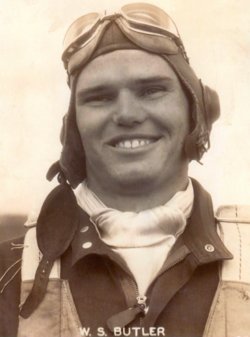
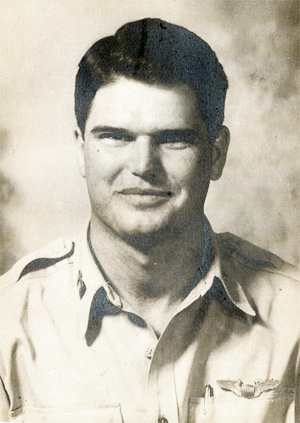
Walter Sidney Butler, Jr was born on September 23, 1920 in Huntingdon, Tennessee. He graduated Huntingdon High School in 1938 and he then completed two years at Memphis State. In April of 1941, he joined the Air Force and became a pilot. “Lucky” was his nickname.

While in China, he served under General Chenault and was a member of the Flying Tigers in China. Walter S. Butler was continuously flying during WWII and was decorated after two years. During the war, he was sent back to America and was stationed in Texas. He was sent back to Americal for his own safety. He did, however, return to Burma and was serving in Burma when his plane was shot down on April 3, 1945. He had achieved the promotion to major two days before he had been shot down. It was a very dense jungle with thick fog where his plane went down and nothing was ever found. After October, he was officially pronounced dead.

From the site American War Memorials Overseas, Inc at uswarmemorials.org, it states:

Major Walter S Butler, Jr was leading a dive bombing and strafing mission in P-51D #44-11284 3 April 1945 on a course of 130 degrees. The visibility was four miles in haze. He and his wing aircraft had left a base at Laohwangping with a target at Yangtong. His plane was hit by anti-aircraft fire on their last pass approximately one-half mile east of Erh Tong [ie Erh-Tong Airfield at Kweilin], headed west.

His wingman, 2nd Lt Harry Hill, Jr, ASN O-705582, stated the following, “Butler was leading the flight. I was flying Butler’s wing. Butler called the flight and said that this was our last pass. I saw Butler heading west as I was making my pass in a SW direction. I pulled up from my pass and started rendezvous, calling Butler and asking his position. The last thing I heard, Butler called ‘I am hit.’ The remainder of the flight tried to call Butler but no radio contact was made. We rendezvous, searched for his plane or parachute and sighted neither, it is believed he possibly went into the cloud layer and headed north.”

Major Butler was declared dead 3 October 1945 but still missing. His name is commemorated on the Walls of the Missing, Manila American Cemetery, Taguig City, Philippines. He was one of over 2000 Americans who lost their lives defending China from their Japanese invaders from 1941-1945. He is also commemorated on the The Monument to the Aviation Martyrs in the War of Resistance Against Japan in Nanjing, China. His family honors his memory with a monument Major Walter Sidney Butler, Jr – Family Plot in Liberty All Cemetery, Huntingdon TN.

He was flying with the 76th Fighter Squadron, 23rd Fighter Group.

Notable medals include the Distinguished Flying Cross with Oak Leaf Cluster, Air Medal with Oak Leaf Cluster, and the Purple Heart.

Gordon Weaver Browning

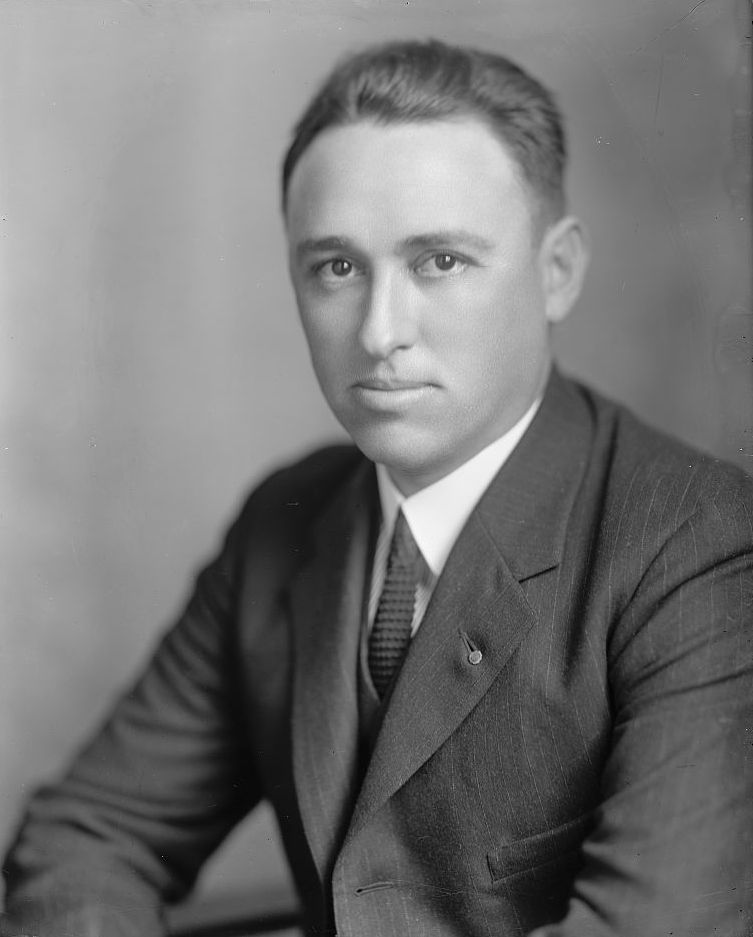
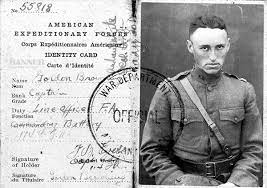
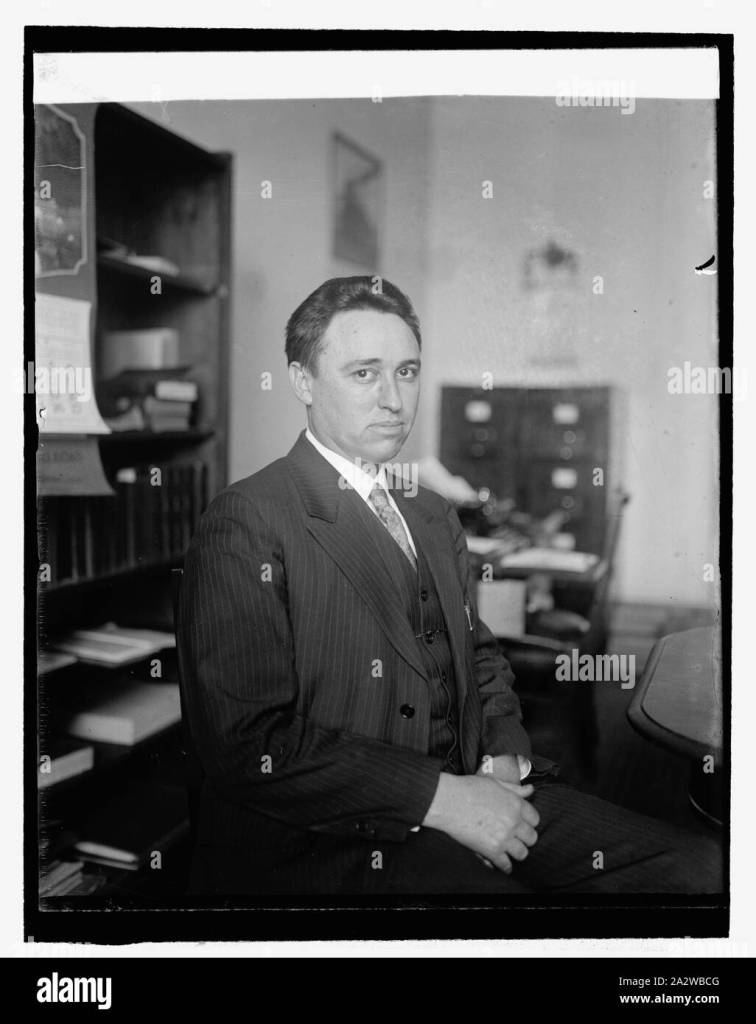
Gordon Weaver Browning was born in Carroll County near Atwood on November 22, 1889. He attended public schools until he began his college career. Gordon Browning received his B.S. at Valparaiso University in Indiana in 1913. He graduated from Cumberland University Law School in 1915. After being admitted to the bar, he began his law practice in Huntingdon, Tennessee.

In 1917, Gordon Browning enlisted in the National Guard. While in the National Guard, he was promoted to First Lieutenant and Captain. Gordon Browning served in France during the first World War. In 1919, Gordon Browning was discharged from service and he then resumed his law practice in Huntingdon.

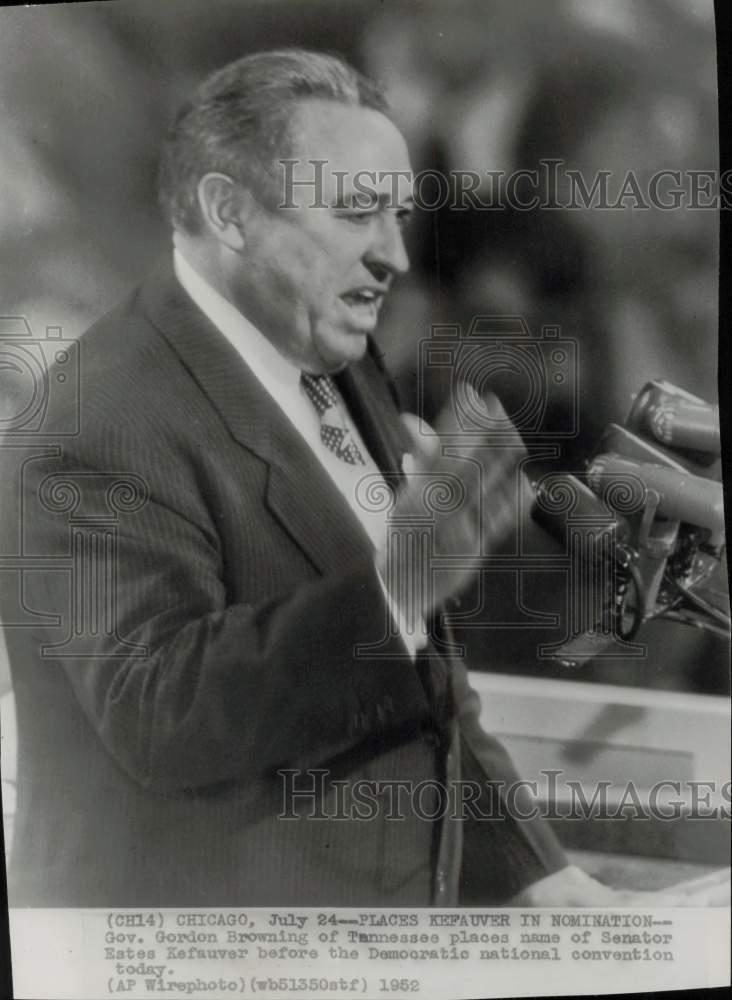
Gordon Browning served six terms in the United States House of Representatives from 1923 to 1935. Gordon Browning became the 38th governor of the State of Tennessee and served from 1937 to 1939.

On February 17, 1943, he was appointed captain in the United States Army and he advanced through the ranks to Lieutenant Colonel. During WWII, he acted as deputy head of the Belgium-Luxembourg missions until January of 1946.

From 1942-1949, Governor Browning served as the Chancellor of Tennessee’s Eighth Chancery District. Governor Browning again served another term as Governor of the State of Tennessee from 1949-1953.

While Governor of the State of Tennessee, Governor Browning had many achievements. He helped to bring Tennessee’s state debt down. He also established the first effective retirement system for teachers as well as establishing a minimum salary for teachers. The poll tax for women and veterans in the primary was abolished. This is but a few of the accomplishments.

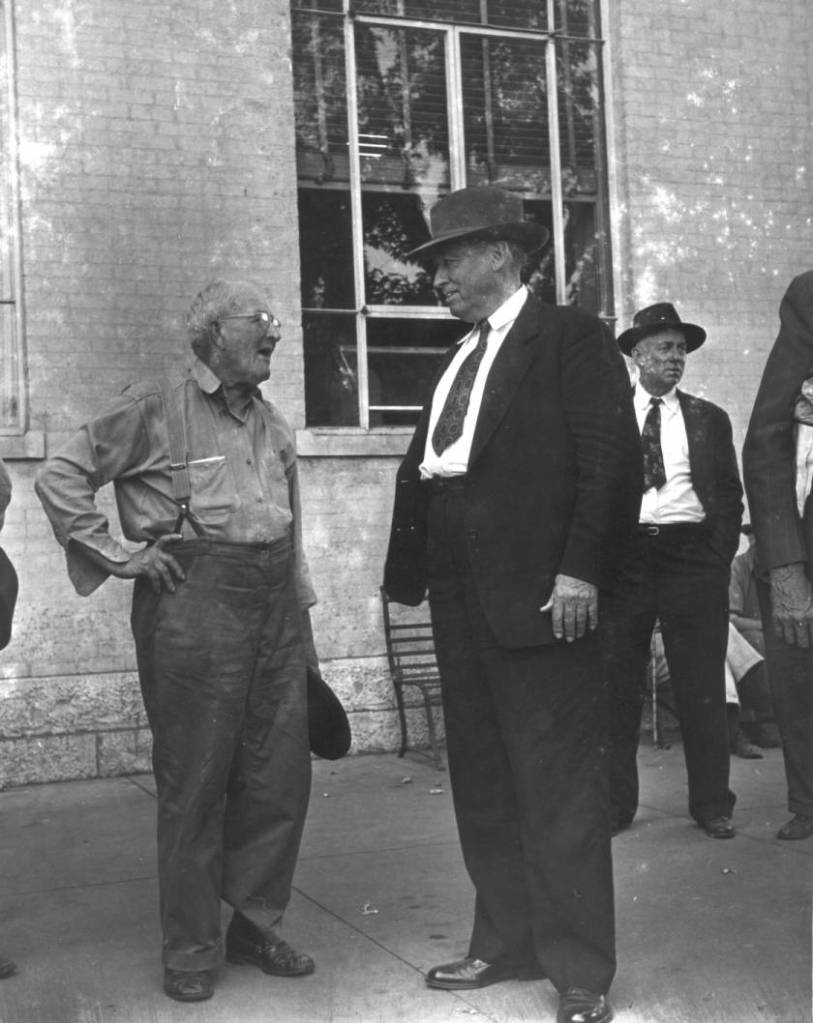
Governor Browning has the distinction of serving in both World Wars. After retiring from his political career, Governor Browning returned to his law practice in Huntingdon, where he remained until his death in 1976. The City of McKenzie now has the Gordon Browning Museum where Governor Browning’s life is showcased.

For the video presentation of Governor Gordon Browning by local attorney Gus Radford, please go the following link:

https://www.facebook.com/61550545093433/videos/1834082150430973