Clark Cemetery And Three Notable Residents

https://www.facebook.com/reel/1984460812290062

On October 15, 2025, the Huntingdon TN Historical Society had their monthly meeting. Clark Cemetery, located on Carter Lane in Huntingdon, TN was the subject matter. Above is the video of the presentation.

The cemetery was named after Colonel John Clark, who was the son of Samuel and Rachel Clark of North Carolina. Colonel John Clark’s wife, Rebecca Covington, was the daughter of John and Mary Covington of Maryland. Colonel Clark served in the War of 1812 and, after the war, moved to Huntingdon, Tennessee. Colonel John Clark provided this cemetery as a burying ground for his descendants. It was maintained as a private cemetery until Admiral A.C. McNeill, a descendant, allowed others to be buried in the cemetery. The cemetery is jointly maintained by the Town of Huntingdon and by the Wright Family Trust Fund. Neill Alison Wright and his wife so loved the Town of Huntingdon that they developed the Wright Family Trust to donate to the cemetery and also to the surrounding area. Neill A. Wright is believed to be the last desdendant of the Clark family.

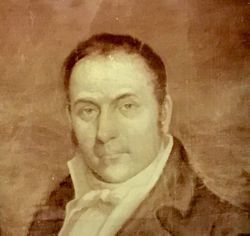
Pictured above is Colonel John Clark who was born in 1773 and died in 1850.
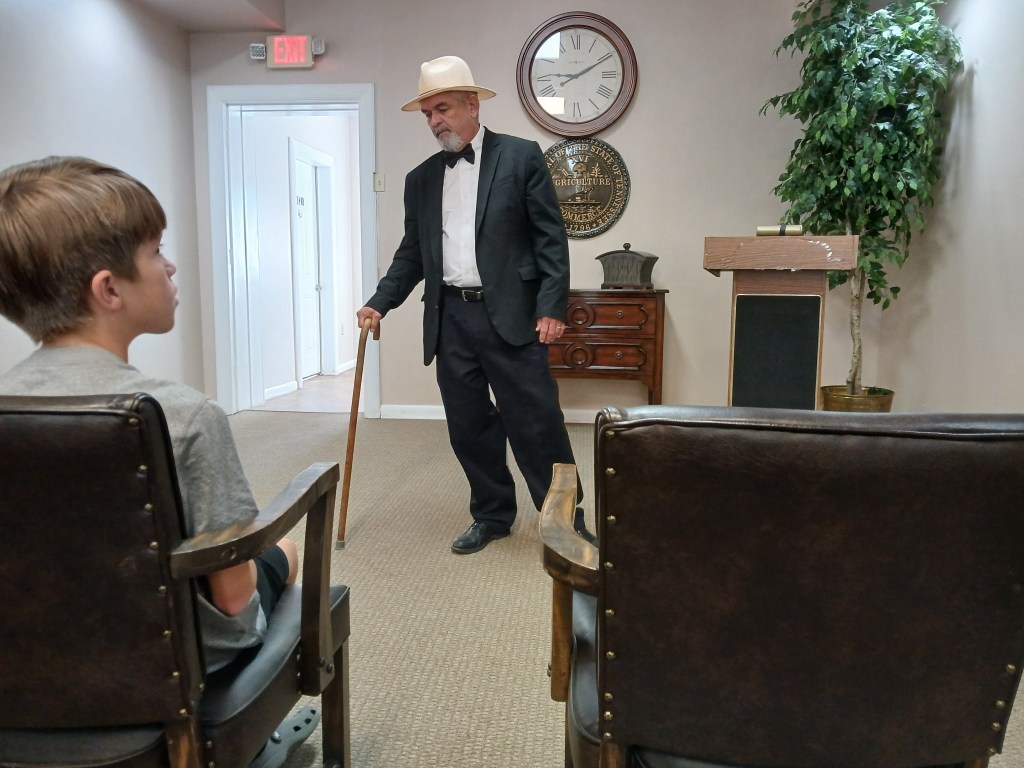
The first resident of Clark Cemetery to address the crowd was Walter Grizzard. Captain Grizzard commanded the company that was involved with General Nathan Bedford Forrest’s raids into West Tennessee. Captain Grizzard was also involved in the Battle of Parkers Crossroads. His friend and cohort was Major James B. Algee.
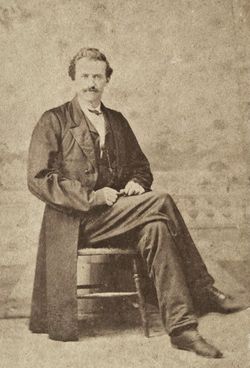
Pictured above, Major James B. Algee. Born in 1828 and died in 1863 in Hickman, Kentucky.

Major James B. Algee and Captain Grizzard had traveled together while on furlough. They had traveled to visit their families in West Tennessee. After the furlough, and on their way back to their duties in the Civil War, they were both captured. Major James B. Algee was sick at the time. Major Algee was taken to a prison that was located in Kentucky, which is where he died. He is buried somewhere outside the prison on a hill. However, there is a tombstone located in Clark Cemetery for him.

The account of the capture of Captain Grizzard and Major Algee was written by Captain Grizzard after the war around 1913. The account is captured at jstor.org/stable/42621073, for those who are interested in reading the account.

Walter B. Grizzard was born in 1833 in Huntingdon, TN and died in 1918 in Huntingdon, TN.
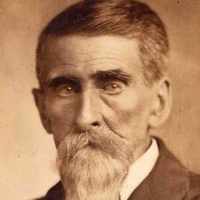
Walter Boggan Grizzard.

The next resident of Clark Cemetery to present to the group present was Rebecca Covington Clark, of the North Carolina Covington’s. Rebecca Covington was born in 1757 and died in 1848. Colonel John Kelly Clark was her husband. John and Rebecca Clark lived in North Carolina for a number of years after they were married. They moved from North Carolina to West Tennessee and settled in the area that was to become Huntingdon. John and Rebecca had two daughters. Colonel John Clark fought in the war of 1812 and he also served in the state legislature. In 1837, John Clark built a home for his daughter Julia and her husband, James. That home is now the oldest home in Huntingdon and is known as the Portis home.
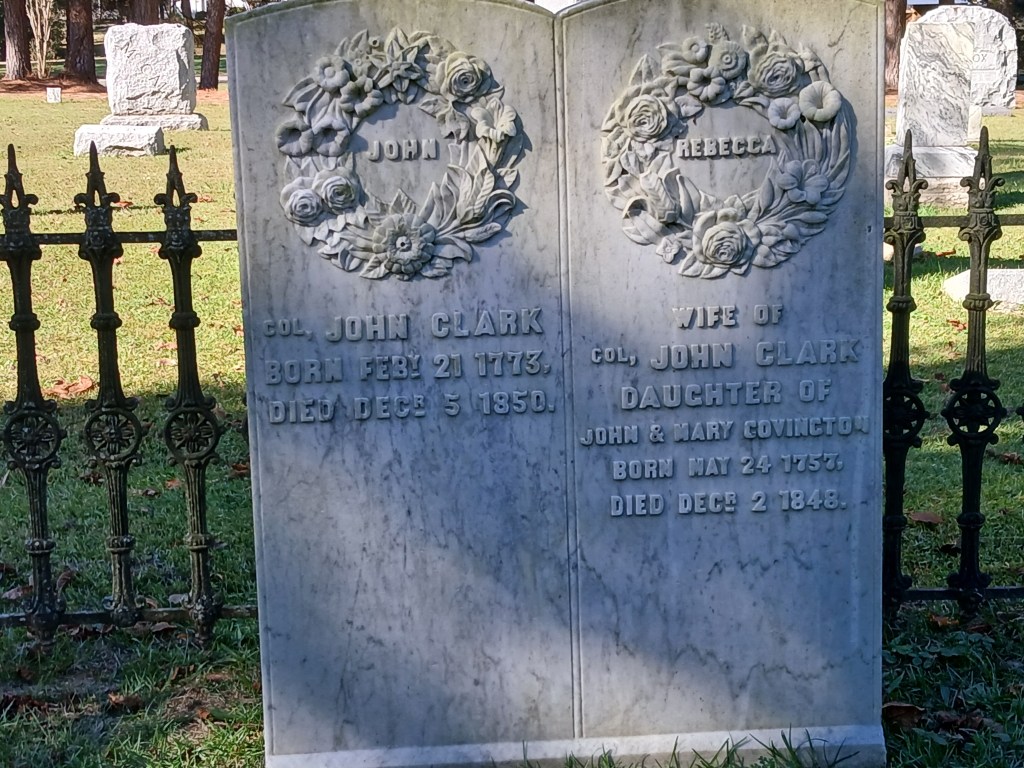
Tombstone for John and Rebecca Clark in the Clark Cemetery.
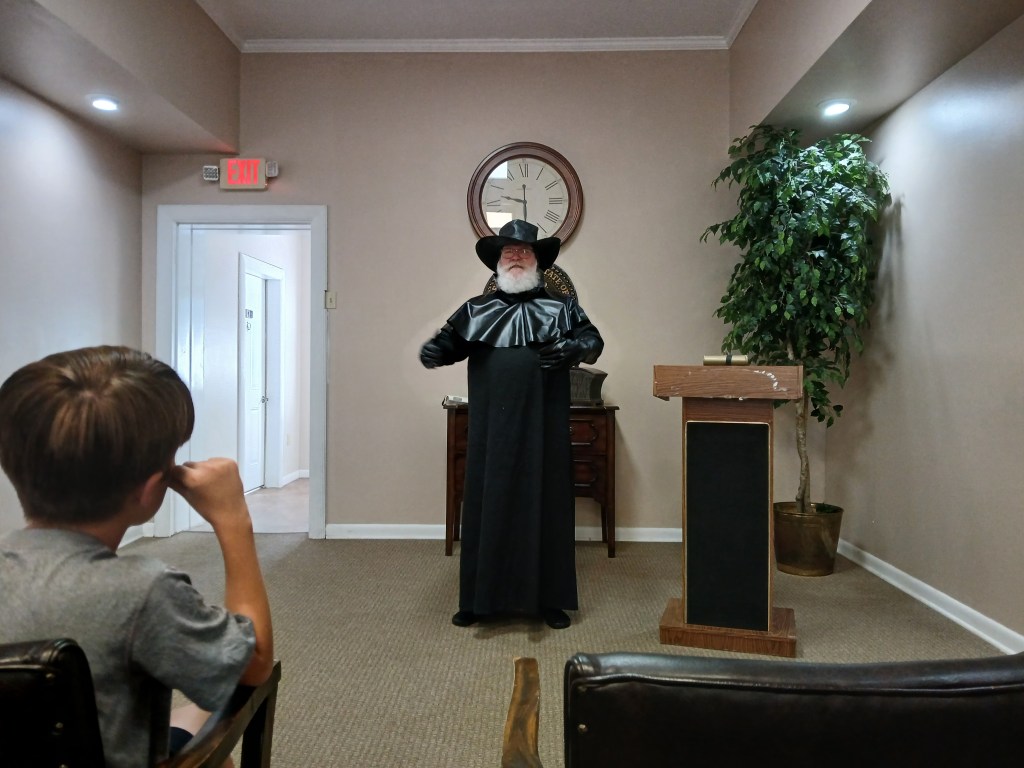
The final visitor to the meeting on October 15th was Dr. J. W. McCall, born in August of 1832. Dr. J.W. McCall was the ninth of ten children. His parents were Andrew and Jane Todd McCall. He was raised on a farm and attended the early schools in Carroll County. His brother, Dr. Henry McCall, had a practice in Clarksburg, Tennessee. J. W. McCall began his study of medicine in his brother’s Clarksburg office. Dr. McCall went to the University of Nashville and graduated in 1857. Dr. J. W. McCall attended Columbia University and also Tulane in Louisiana. In 1862, he became the assistant surgeon in the United States Army for the Seventh Tennessee Calvary. In 1858, he married Victoria Wilson, who was from Henderson County. They had four children: Lenora, Emma, James, and Fannie. The son, James Henry, became a doctor as well and graduated from Vanderbilt in 1896. James Henry, like his father, also went into the military. Lenora Josephine married Governor Hawkins son. Fannie married a Johnson and moved to Utah.

Above, the tombstone for Dr. J.W. McCall in the Clark Cemetery.
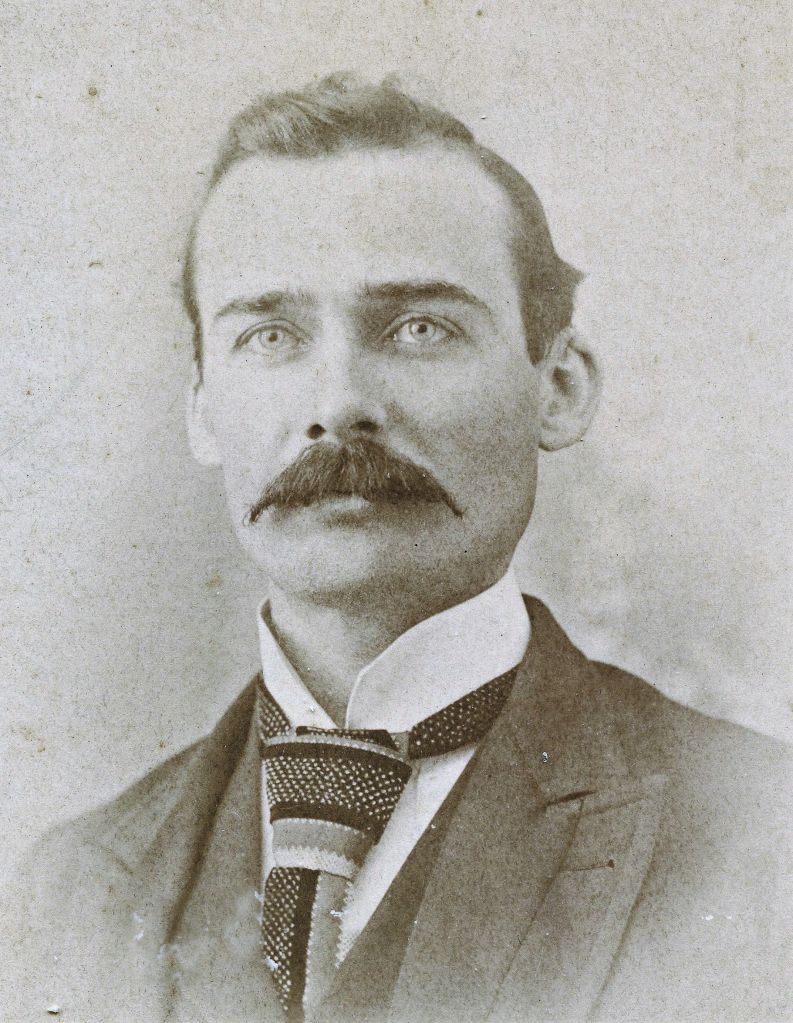
Image of James Henry McCall, Dr. J.W. McCall’s son.
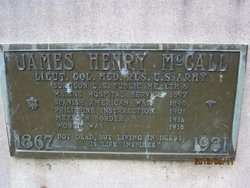
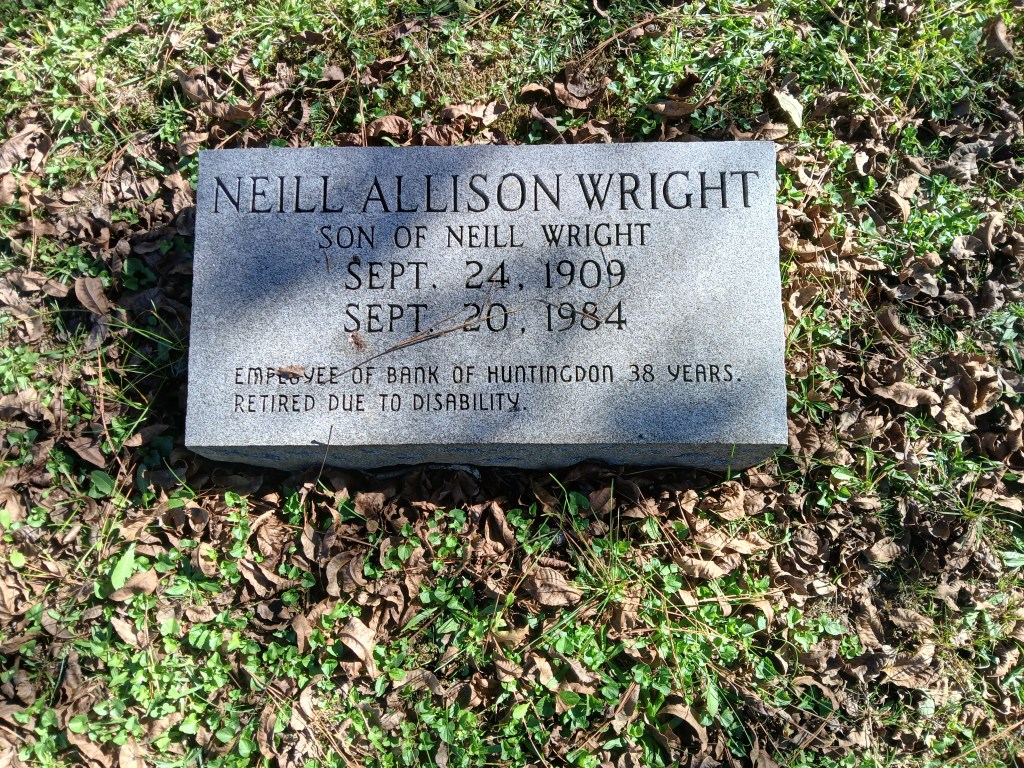
Tombstone for Dr. James Henry McCall.
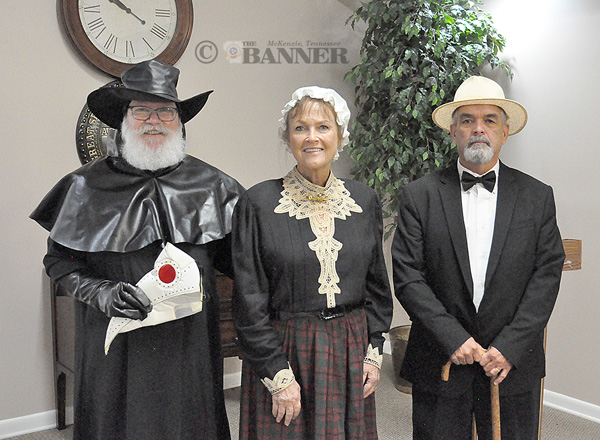
Many thanks to these wonderful members of our community who role played the historical characters on this day. Dr. Lee Carter as Dr. J.W. McCall. Melissa Powell as Rebecca Covington Clark. And last, but not least, Mr. Johnny McClure as Captain Grizzard. Thank you all very much.

While We Are In Tennessee…

Let’s talk hiking trails. Tennessee is a very beautiful state with many hiking and nature trails to enjoy. My sister and I recently hiked two local trails – Raptor Ridge Trail at Paris Landing State Park in Henry County, Tennessee and Cub Lake Creek Trail on Natchez Trace near Wildersville, Tennessee.

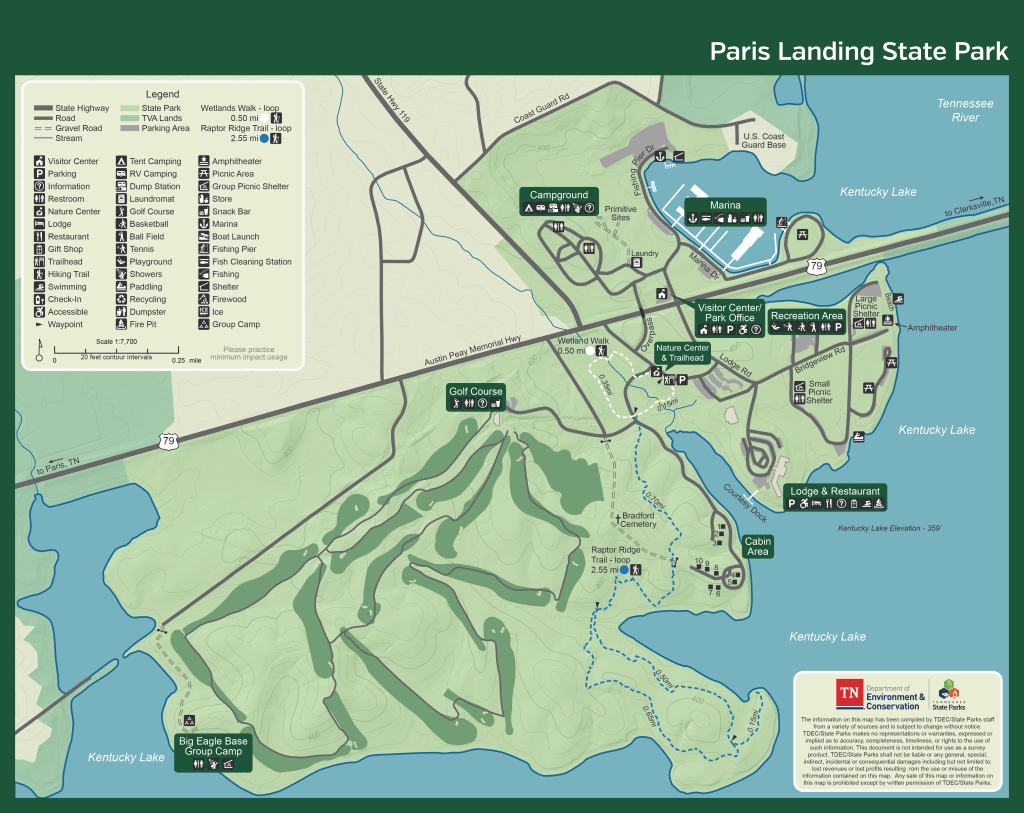
Let’s begin with Raptor Ridge Trail at Paris Landing State Park in Henry County. The trail offers a grand look at all the local flora and fauna, as well as animals that are native to the area.

Paris Landing also offers opportunities for water sports and there is a golf course located at Paris Landing.

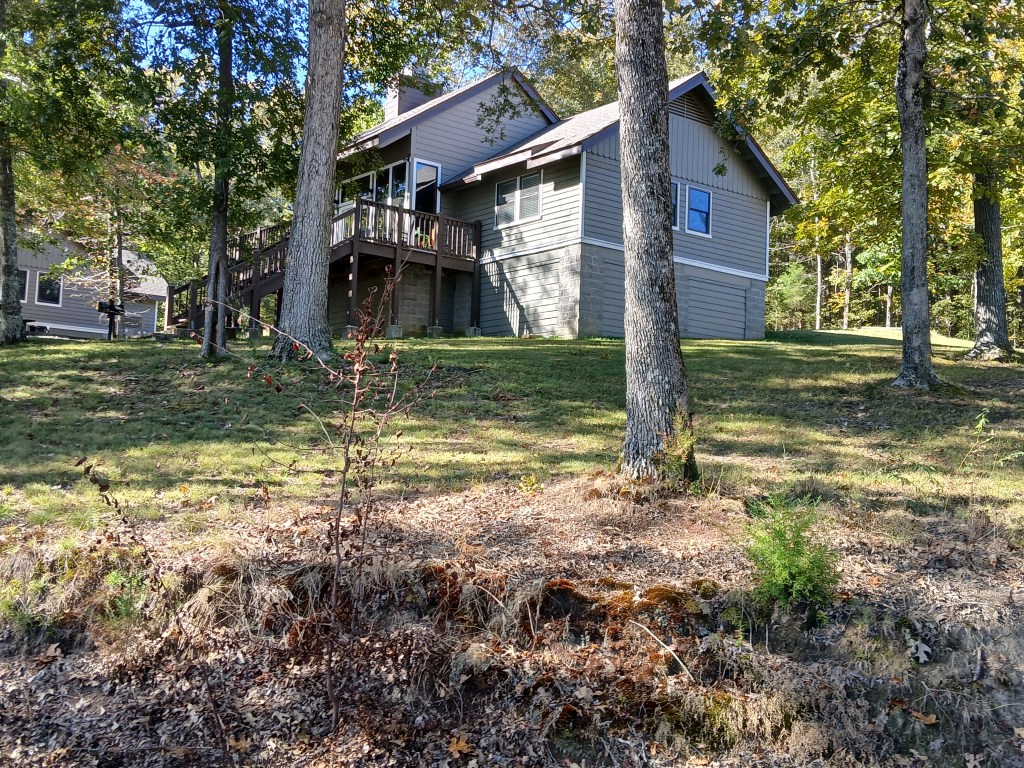
There are cabins to rent, as well as a Lodge with restaurant and gift shop available.

The park was founded in 1945 along the western shore of the Tennessee River.

Raptor Ridge Trail is an easy 2.55 mile hike, so beginners like me can enjoy the hike. There are also campgrounds available for those who do not wish to stay in a cabin.

Now let’s go to Cub Creek Lake Trail which is one of many trails on the Natchez Trace. The Natchez Trace is a 440 mile historic trail that goes from Nashville, Tennessee to Natchez, Mississippi. This was a trail that was created and used by Native Americans.

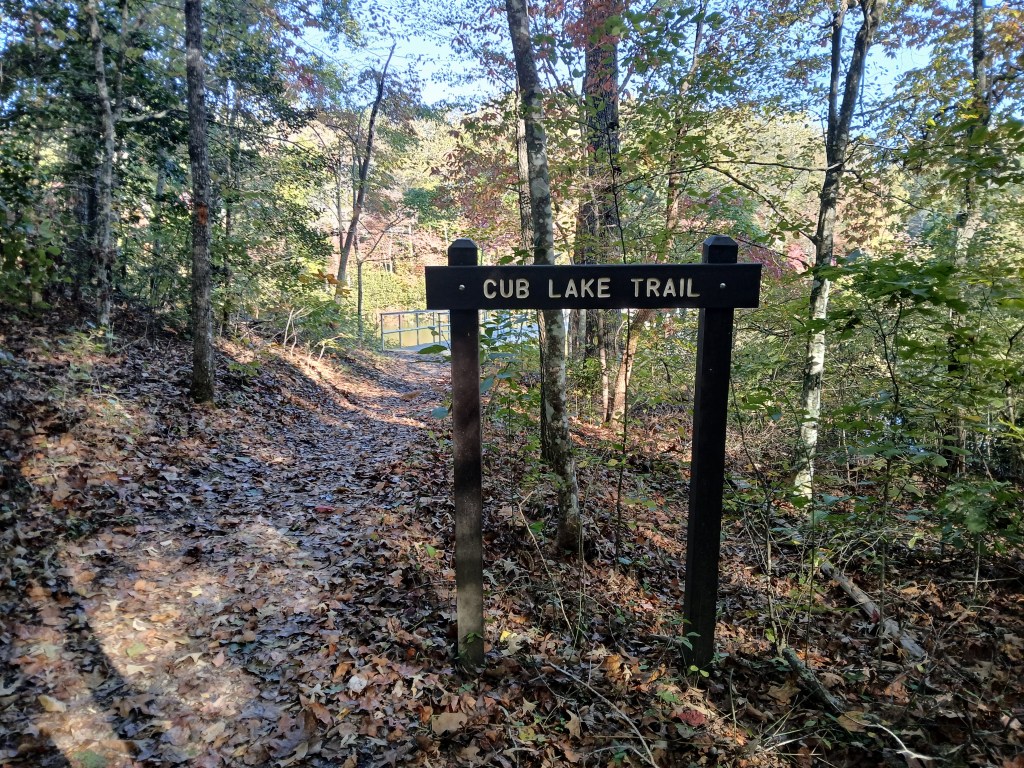
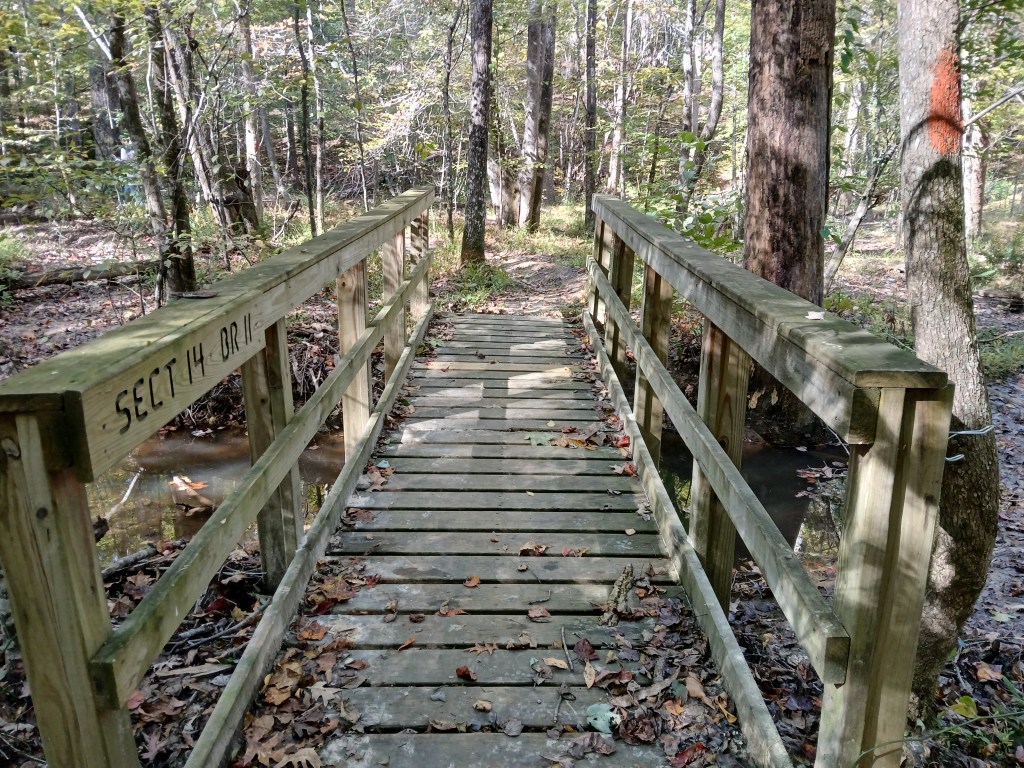
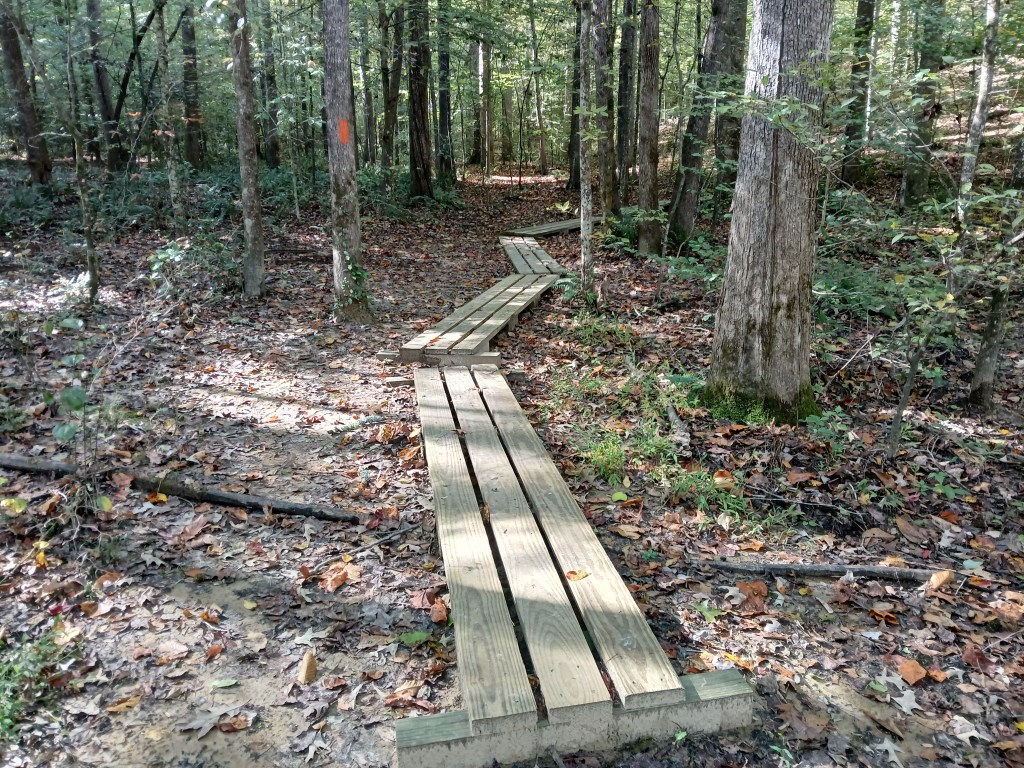
The Cub Lake Trail begins next to the Cub Lake Recreation Lodge parking lot. The trail is a loop that circles around the lake. The trail is approximately three miles long and is well marked. Beginners such as I should have no trouble staying on the trail.

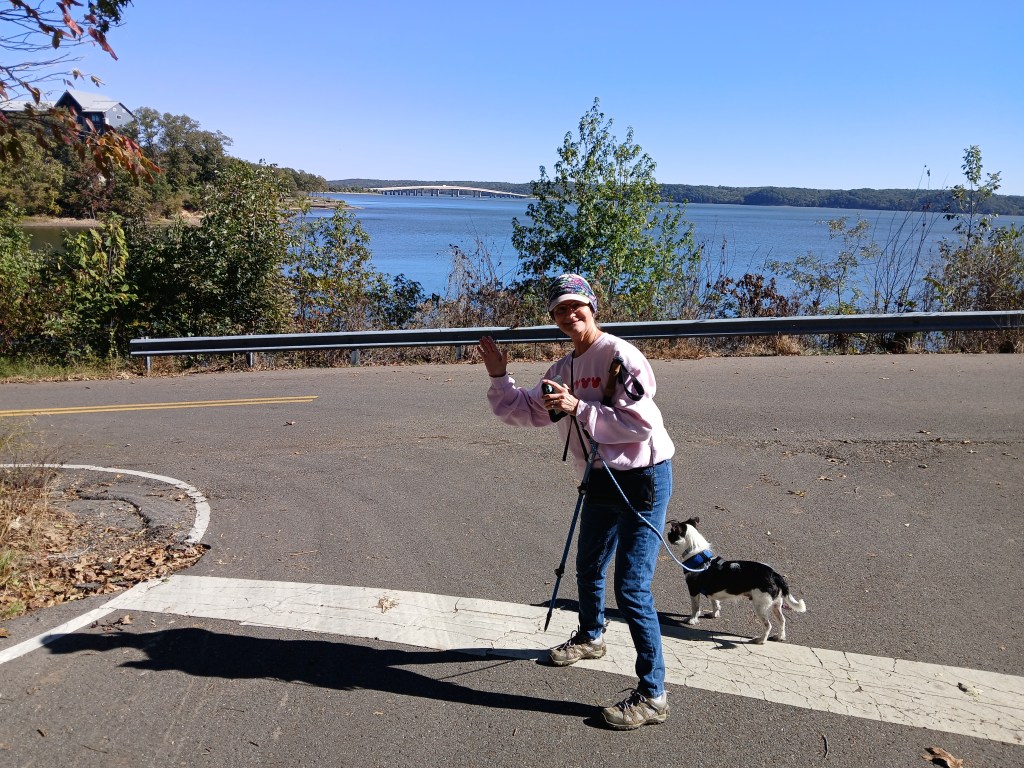
You can even bring a friend along to keep you company! Clyde, the four legged friend pictured, enjoyed the hike as much as anyone else.

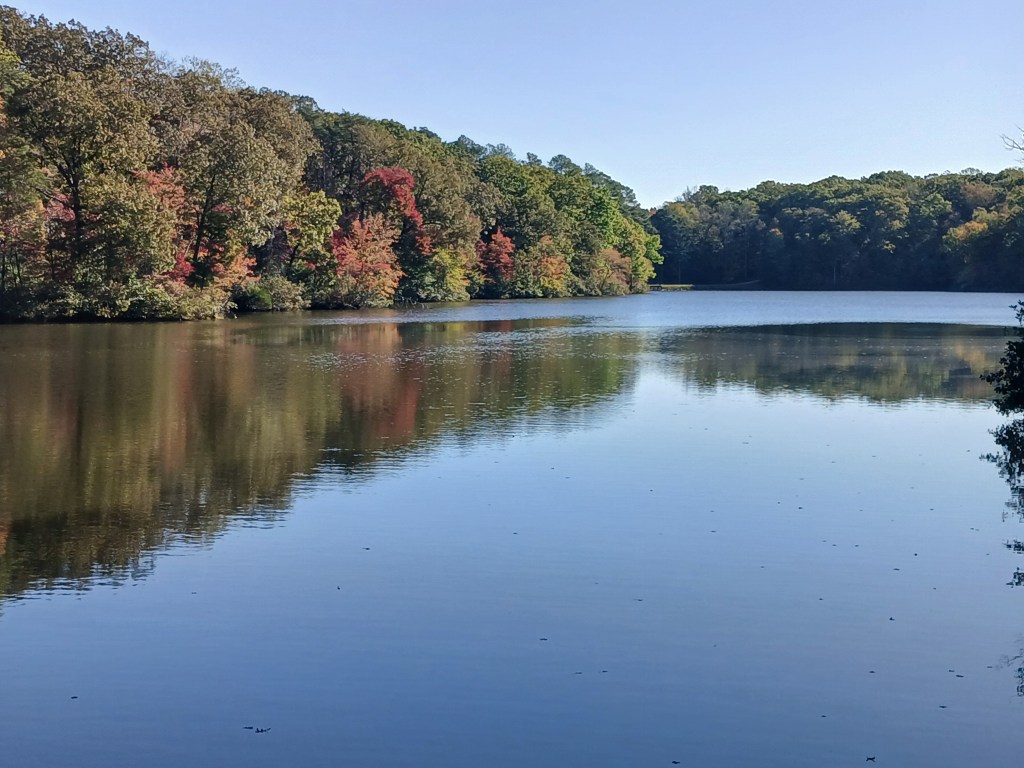
Scenic views of the water are evident as you hike on the trail.

And bring your furry friend. They also will enjoy the trail.

With evidence of the local wildlife.

Nature at its’ best.

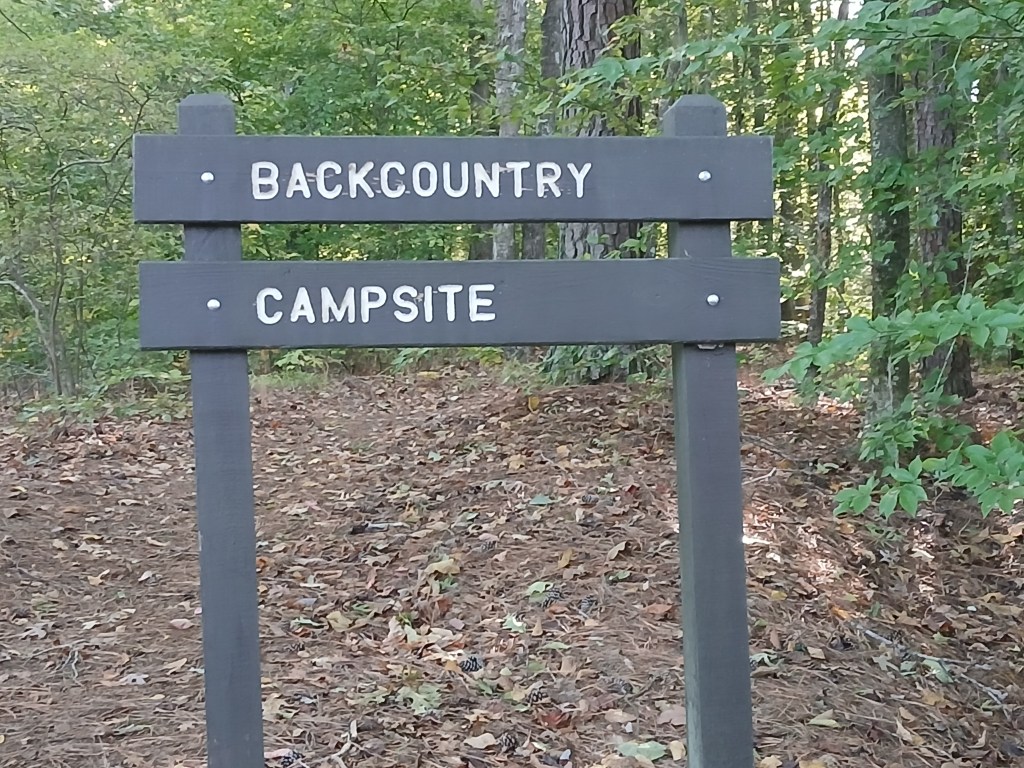
There are opportunities for more rustic environments for those who choose.

There are also cabins to rent.

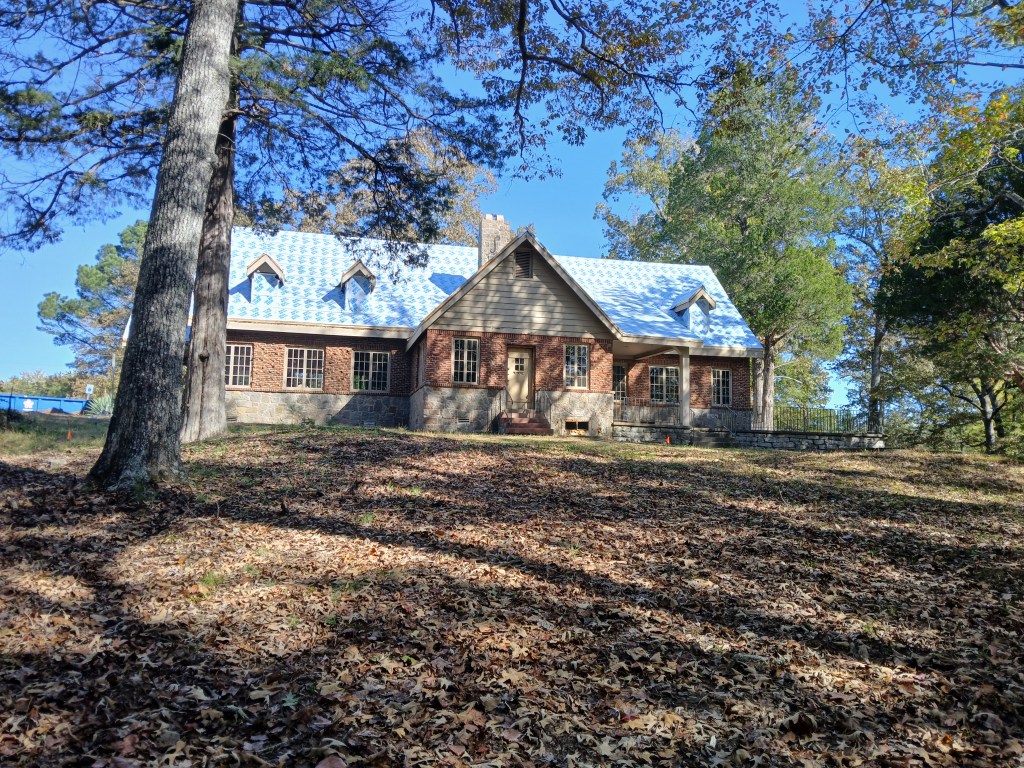
The Lodge on Pin Oak Lake is currently under reconstruction and is closed, but will re-open in 2027 when the reconstruction is scheduled to be completed.

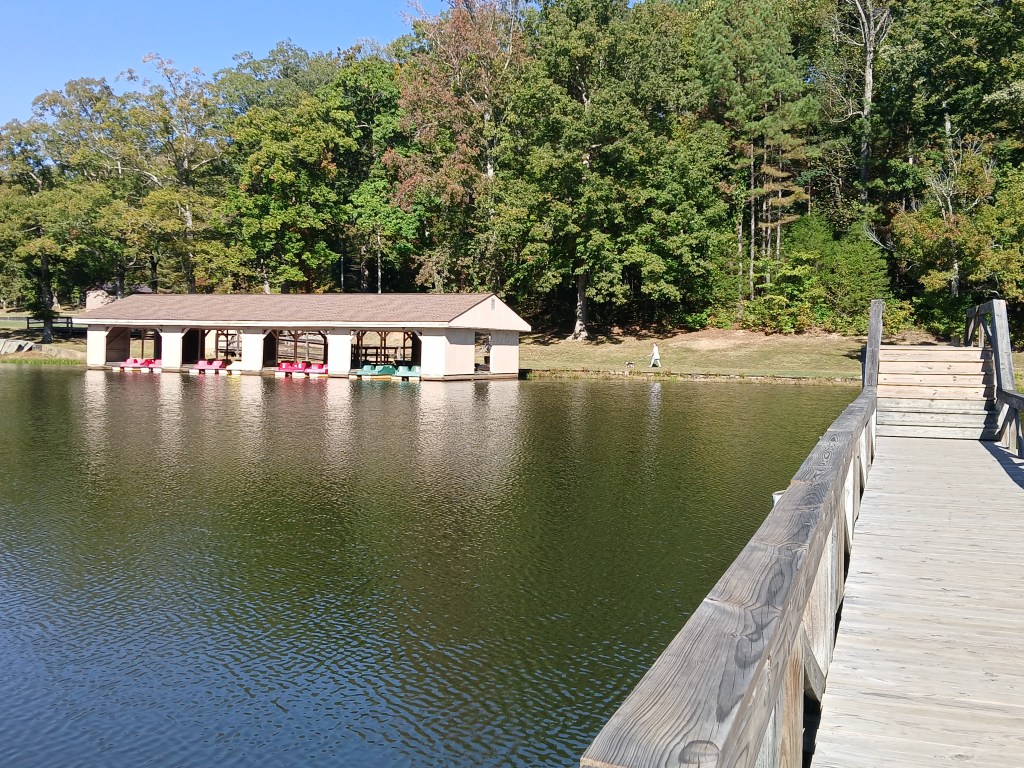
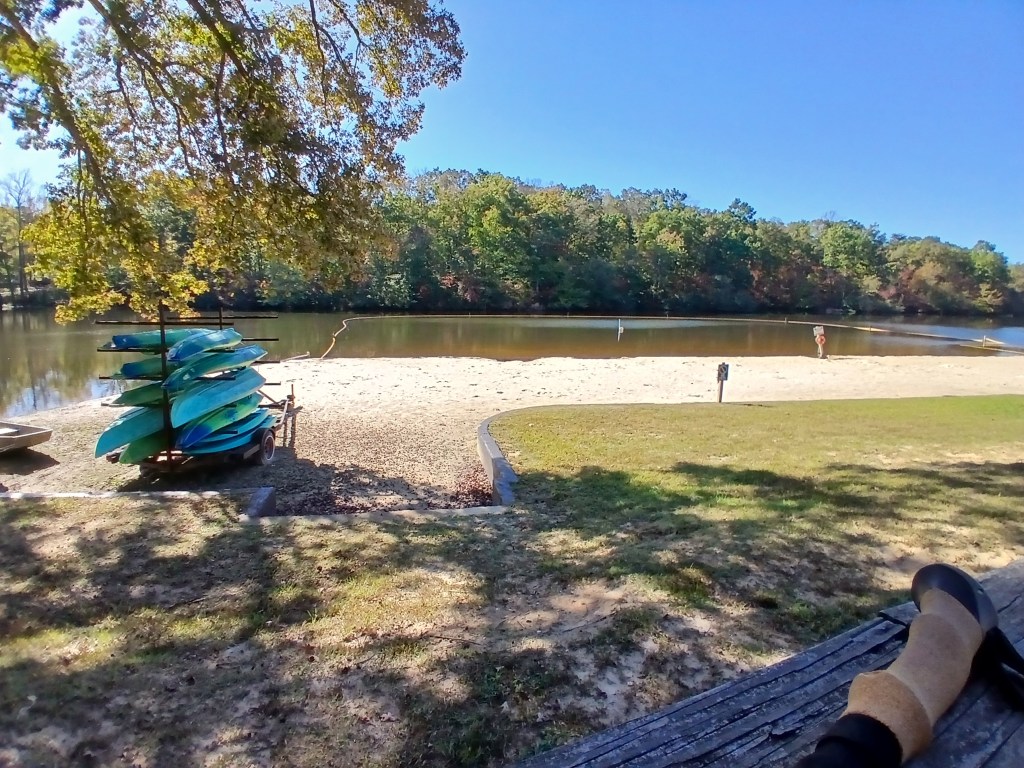
There is a designated swimming area, as well as boating and fishing opportunities that are available. There is an annual fishing derby held at Cub Lake.

So come join us in Tennessee, where the food is hot and the people are friendly.

The Dixie

https://www.facebook.com/share/v/1GnESyFX1V

On September 17, 2025, the Huntingdon TN Historical Society went to The Dixie, in Huntingdon, TN in order to conduct their monthly meeting. Above is the video associated with the presentation. At this meeting, Ms. Jean Newsome and Ms. Susan Cary gave the history of The Dixie. The full history of The Dixie is on The Dixie’s webpage at: dixiepac.net/history-and-mission. The following is a summary of the history of The Dixie.

Above is the famous Dixie Carter as she explains what it means to be raised in a kind and nurturing atmosphere. Home. That is what Tennessee means to a lot of us. Home. Where our parents and ancestors lived and died. Home. Where we are loved and accepted by our family members and community members. Home. Where people try to be kind and considerate of others. Home. Where we, as members, are safe. Home is not perfect. The only perfect home is in Heaven. But this, in this case, Huntingdon, Tennessee is home.

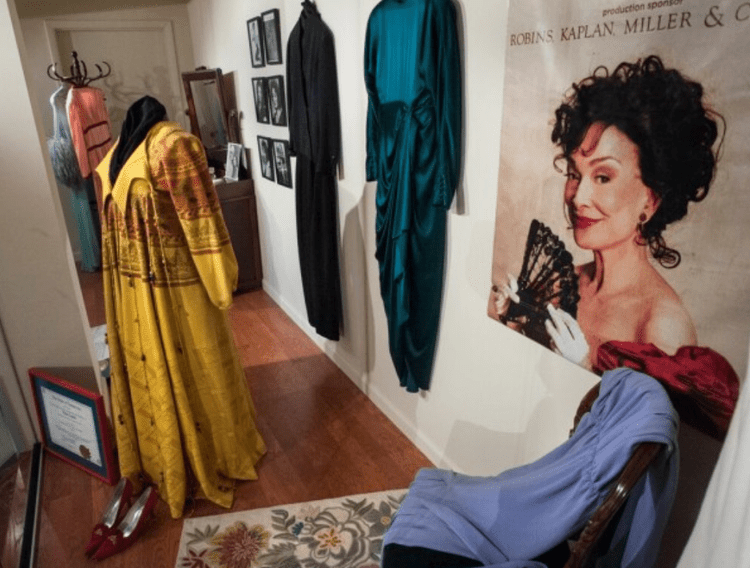
The Dixie Carter Performing Arts Center was named after one of Carroll County’s most famous personages – Dixie Carter. Dixie Carter was born in McLemoresville, Tennessee in 1939. Dixie Carter became famous on the hit show, Designing Women. Dixie Carter played Julia Sugarbaker, one of the main roles. Dixie Carter also is known for her roles on Desperate Housewives and Family Law. Dixie made her debut in 1960 in a production of Carousel. She moved to New York City in 1963 and landed a role in an off Broadway production of Shakespeare’s A Winter’s Tale.

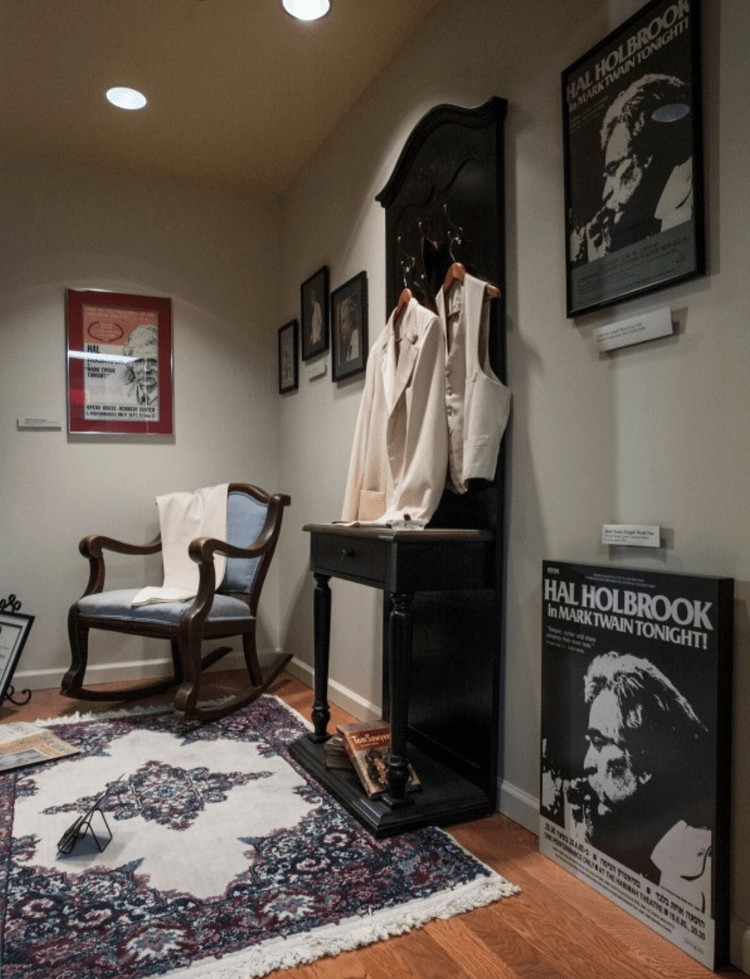
Dixie Carter moved to Los Angeles in 1979 and married actor Hal Holbrook in 1980. Besides the roles listed above, Dixie Carter had roles in Diff’rent Strokes and The Edge of Night, among many other roles.

Pictured below is the Mudslingers Studio, which is a part of The Dixie. The Mudslinger Studio offers classes in pottery to local people. The Dixie also offers music programs and Summer Camp programs.

The Dixie also offers tours and has recently renovated portions of The Dixie.

The Dixie was built on the court square of Huntingdon, TN. Hal Holbrook gave his expertise during the building of the theater in the Dixie, which is why the theater is named after him.

The origins of The Dixie began in December of 1999 with Mayor Dale Kelley, who unveiled plans for The Dixie. The original idea had been to place the theater into the original buildings in place, which were 125 years old. However, in 2004 during early construction, a portion of the south wall of The Dixie collapsed. After a safety assessment, it was decided that the safest route was to completely demolish the existing buildings. The original buildings were demolished and bricks from the original buildings were used throughout the Dixie when building The Dixie.

The Hal Holbrook Theater has hosted many great performances. Some include the following: New York City Ballet, Nashville Symphony, Richard Marx, Lady Antebellum, Ronnie Milsap, Carol Channing, Sara Evans, and the Glenn Miller Orchestra, just to name a few.

In addition to The Dixie’s webpage, information on this page came from volopedia.lib.utk.edu/entries/dixie-virginia-carter. Come visit The Dixie! You’ll be glad you did!

Bruceton, Hollow Rock, and a Visit By Tocqueville

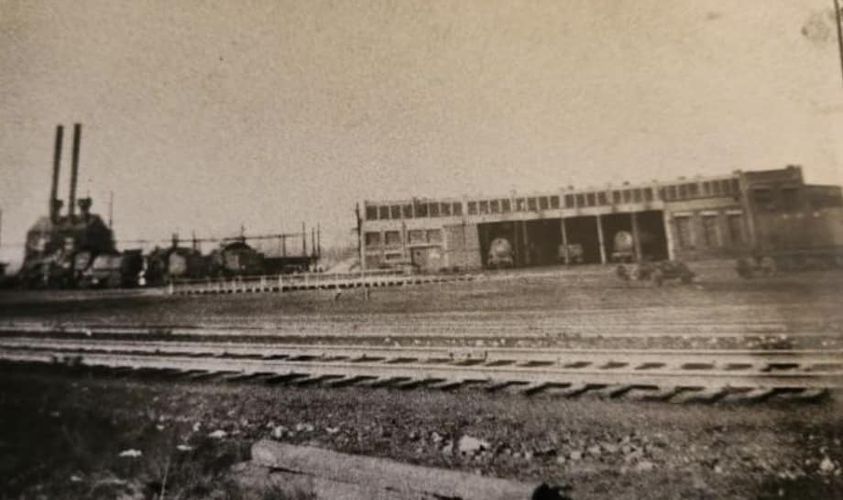
Above is a picture of the old roundhouse that is still located in Bruceton, Tennessee

A more recent picture of the same roundhouse.

On September 18, 2024, Mr. Buddy Smothers provided a presentation on the history of Bruceton, Hollow Rock, and the railroad that still runs through both towns. Buddy Smothers is a retired high school history teacher and he taught for 34 years. He was also a local radio sports personality for 34 years.

Buddy Smothers began his talk speaking about Alexis Tocqueville’s visit to the Bruceton and Hollow Rock area in 1831. Tocqueville and his traveling mate, Gustave de Beaumont, spent 4 days in an inn at Sandy Bridge, which later became Hollow Rock. Tocqueville was recovering from an illness at the time.

It was stated that McLemoresville and Buena Vista, two local areas, are the two oldest areas in Tennessee. Hollow Rock was incorporated in 1869.

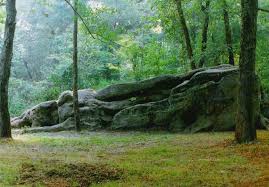
The town of Hollow Rock was named for this rock formation in 1867, when a telegraph office and train station were established.

In the late 1800’s, the Nashville, Chattanooga, and St. Louis Railroad System operated in Hollow Rock. Hollow Rock was the only place where four lines of the railroad intersected with one another. In the 1890’s, the railroad moved their location and created the town of Junction City. Junction City later became Bruceton.

The Hollow Rock-Bruceton Special School District was formed in 1927. Prior to 1927, the only other high school in the area was in Hollow Rock. The Hollow Rock High School was in operation from 1914 to 1927.

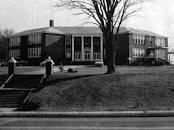
Above is an older picture of the high school.

The railroad was integral to the development of the Bruceton and Hollow Rock area. Other businesses that have been important in the development of the local economy was H.I.S., which left the area in 2000. The railroad depot still remains in Bruceton today.

For a more in depth look at this presentation, see the Carroll County News-Leader, Wednesday September 25, 2024 by Jesse Joseph.