
https://www.facebook.com/61550545093433/videos/1134510531876696
View the link above for a video presentation of the history of the National Guard Unit in Huntingdon, Tennessee. The presentation was by Major General Tommy H. Baker.
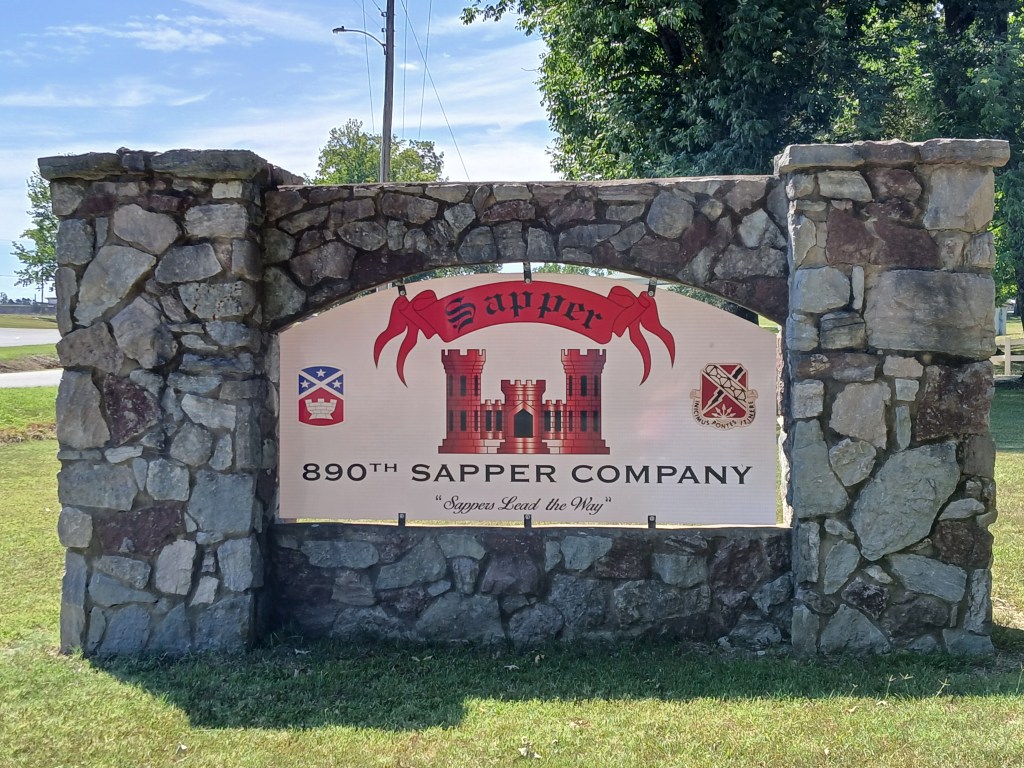
Above, is a picture of the sign that is in front of the National Guard Unit in Huntingdon, Tennessee.
I want to thank Major General Tommy H. Baker for his presentation to the Huntingdon TN Historical Society on August 20, 2025. As stated above, the link to the video presentation is at the top of his article. Major General Baker did an excellent job of discussing the Huntingdon National Guard unit.
In researching this topic, I came upon information on the Tennessee State Guard and more information on the Tennessee National Guard. The Tennessee State Guard became necessary to protect the state when the Tennessee National Guard had gone off to war. As both the State Guard and the Tennessee National Guard evolved along similar lines, I will be discussing both groups here as well.
The local National Guard unit in Huntingdon, Tennessee is Troop B, 230th Cavalry, which is part of the Tennessee Army National Guard. This unit is a component of the larger 278th Armored Cavalry Regiment. The Tennessee National Guard can be called into service by the governor, but it is also part of the Department of Defense. The Huntingdon National Guard has been deployed in national and international events. It is a volunteer force that responds to state emergencies and national security needs.
The Tennessee State Guard traces its’ origins back to the Revolutionary War during the Battle of King’s Mountain. During this fight, 400 volunteers from the area that is now the State of Tennessee crossed the mountains into North Caroline and fought against the British Army and Loyalist militias.
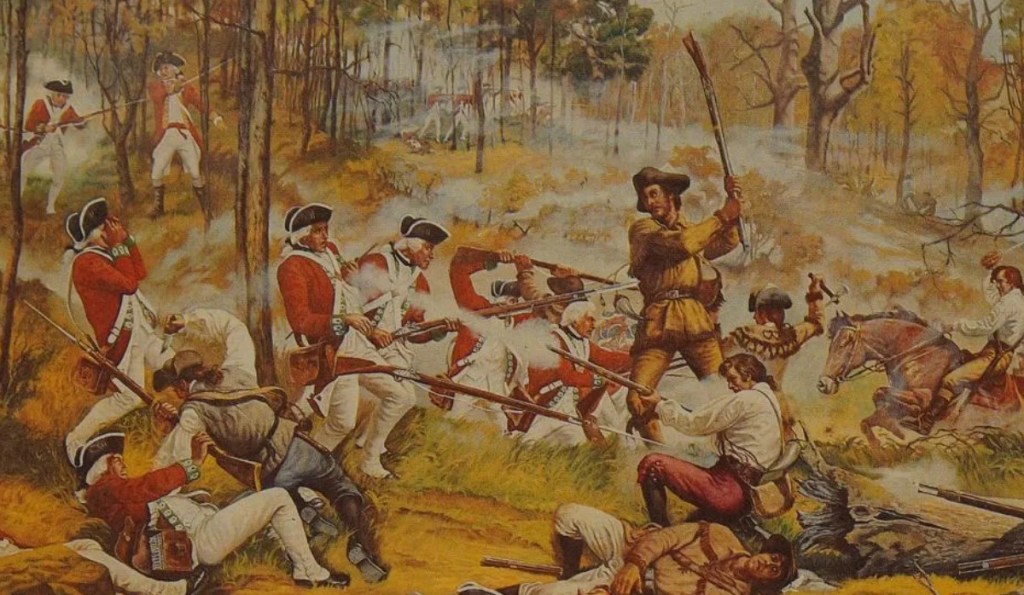
Above, an image of the Battle of King’s Mountain.
Tennessee militias also served in the War of 1812 under Andrew Jackson. The Tennessee militias fought in the battle of Horseshoe Bend and in the Battle of New Orleans. They fought with distinction.
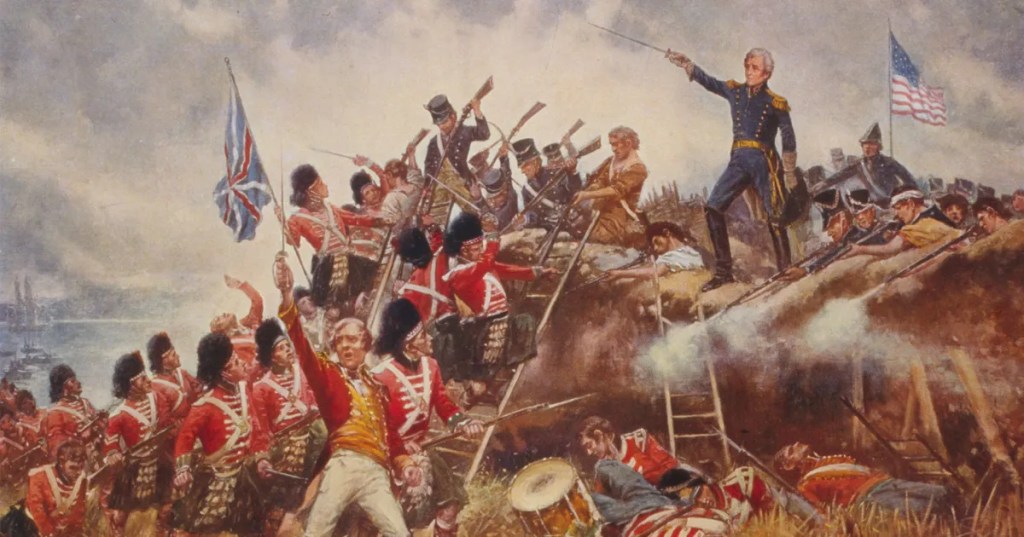
Above, image of the Battle of New Orleans
It was during the Mexican-American War that Tennessee first became known as The Volunteer State because Tennessee provided ten times the requested volunteers for the Mexican-American War.
On May 7, 1861, the State of Tennessee aligned militarily with the Confederate States of America. The defense of the State of Tennessee was placed into the hands of the President of the Confederacy. The formal transfer of the troops from the State of Tennessee to the Confederate States on August 7, 1861.
During the Reconstruction Era, Governor William G. Brownlow established The Tennessee State Guard as a state militia to counter anti-Reconstruction efforts. The State Guard was used to police elections, protect freedmen, and to thwart violent groups like the KKK.
In 1915, after the Tennessee State Guard was federalized, the State of Tennessee created the Tennessee Rangers who in 1916 were deployed into Stewart County to counter the destruction of properties by the KKK. The Rangers also helped to maintain order during World War I and were disbanded in 1923.
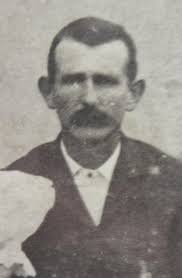
Above, a picture of Tennessee Ranger EA Tucker, circa 1900s. He was one of the ten Rangers appointed by Governor Rye in 1915.
In 1941, the Tennessee State Guard was reinstated by Governor Prentice Cooper. The state guard received training from the federal military and within a year, the Tennessee State Guard was the fifth largest in the United States and the largest guard in the South. The State Guard was active and a few of the activities included: guarding a Boeing B-17 Flying Fortress after the plane had been forced to make an emergency landing outside of Pulaski, Tennessee; maintaining peace after a riot in Bristol, Tennessee; providing relief after a train crash in Jellico, Tennessee; and helping to capture three escaped German prisoners from Camp Forrest. The Tennessee State Guard was again made inactive in 1947 when the National Guard units returned home.
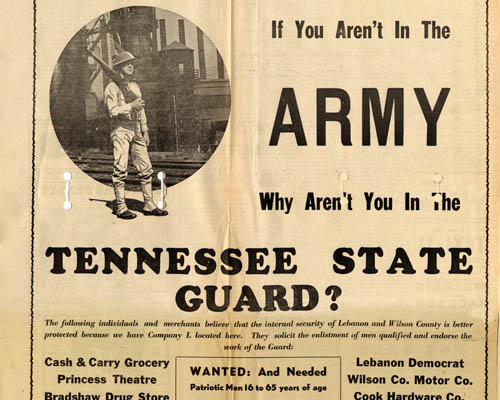
In 2004, the Tennessee State Guard was activated to assisted the 278th Armored Calvalry Regiment with pre-mobilization during the Iraq War.
The State Guard is a state only volunteer defense force with no federal authority. The State Guard supports the National Guard and civil authorities within the State of Tennessee. The Tennessee National Guard is part of the U.S. Armed Forces and has both state and federal missions.
The earliest roots of what would later become the Tennessee National Guard began in 1774 to combat Shawnee Native Americans. On October 10,1774, the militia defeated the Shawnee at what was known as the Battle of Point Pleasant.
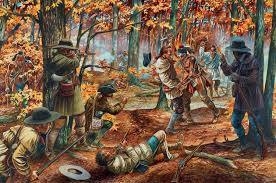
During the American Revolution, in 1780, John Sevier and Isaac Shelby lead 240 militia men and joined others at Sycamore Shoals. John Sevier, Isaac Shelby, and the “Overmountain Men” participated in the Battle of King’s Mountain. This was the turning point in Britain’s southern campaign.
In 1794, William Blount negotiated a truce with the Chickamauga and militiamen secured the southwest territory, area that would later become Tennessee.
On June 1, 1796, Tennessee achieved statehood.
Brave Tennesseans! We must hasten to the frontier, or we will find it drenched in the blood of our fellow-citizens! Major General Andrew Jackson.
Major General Andrew Jackson was Commander of the Tennessee Militia in 1812. Tennesseans readied themselves for another war with Great Britain. At the same time, Tennesseans also fought the Creek Indians.
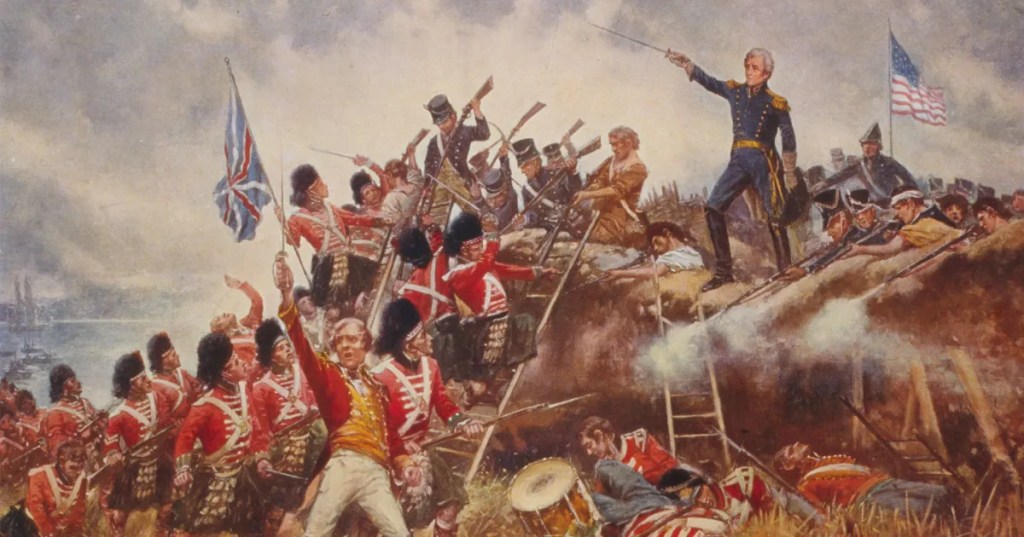
On January 8, 1815, the British were defeated at the Battle of New Orleans’
In March 1818, David Crockett was elected Lieutenant Colonel of the 57th Regiment of Militia. The same year, Sam Houston became adjutant general.
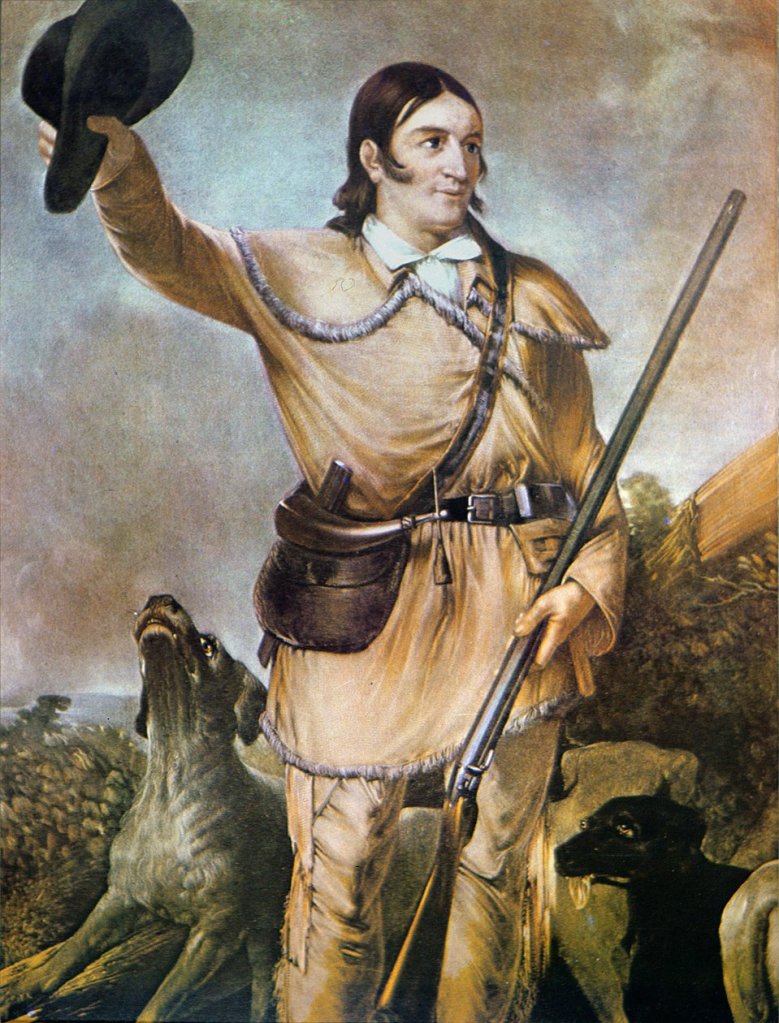
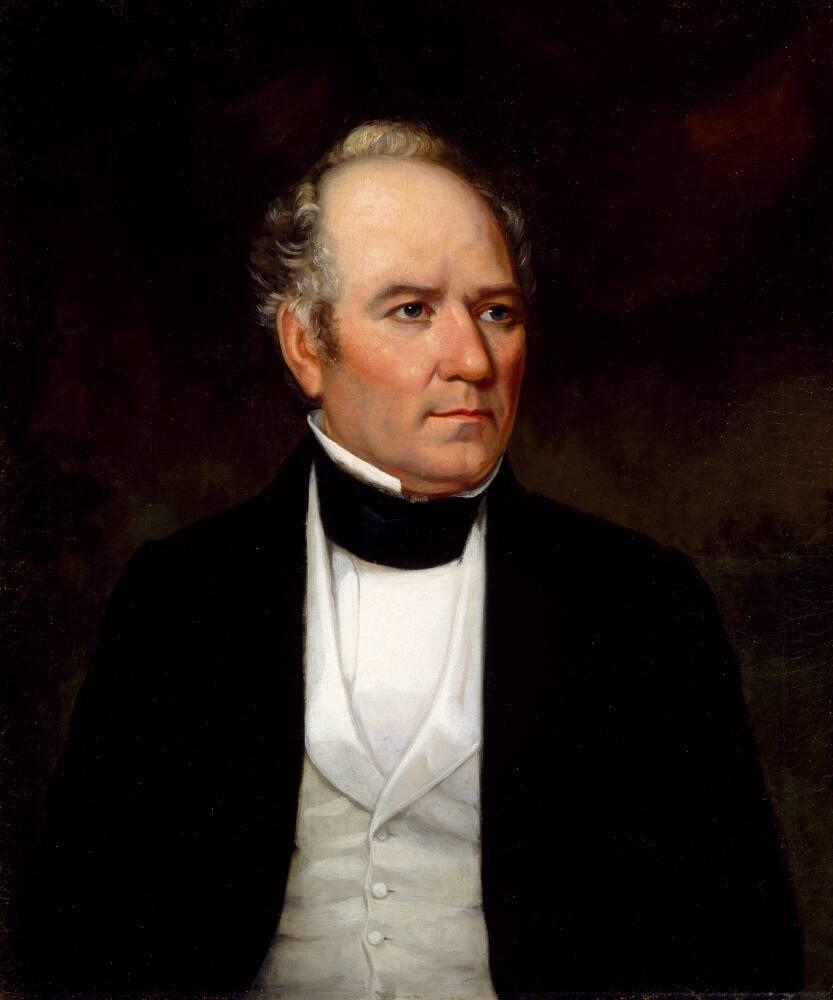
Above, pictures of David Crockett and Sam Houston, respectively.
On March 6, 1836, David Crockett and other Tennessee Militiamen died in Texas at the Alamo.
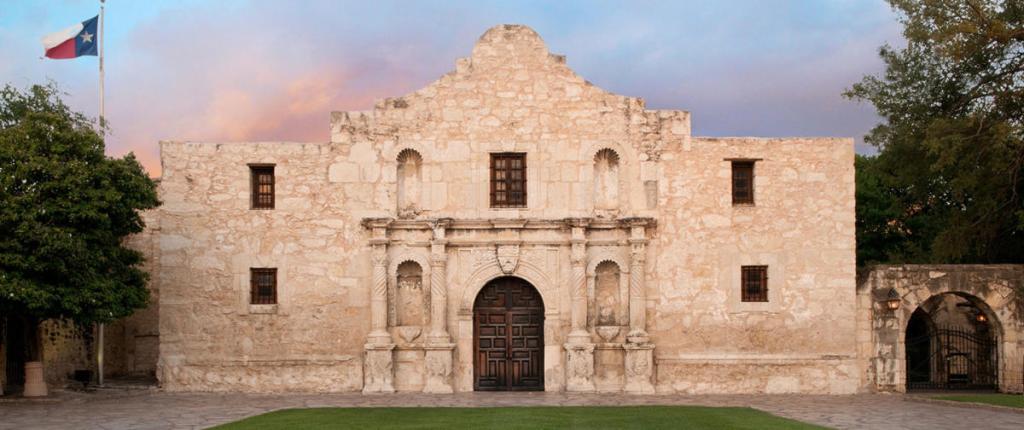
The Alamo, where Tennessee Militiamen died defending it from the Mexican Army.
Tennessee Militiamen continued to serve and to protect the State of Tennessee throughout the Civil War, Reconstruction, and the Mexican-American War, and various state emergencies. In 1887, the 45th General Assembly in Tennessee established the Tennessee National Guard.
In 1898, the 1st Tennessee Infantry Regiment deployed to the Phillipines in the Spanish-American War. When the Spanish-American War ended the 4th Tennessee Infantry Regiment became an occupying force in Cuba.
The Tennessee National Guard participated in World War I and World War II. In World War II, the Tennessee National Guard served with distinction, being called “Roosevelt’s Shock Troops” by the German High Command for the Guard’s actions at Saint Barthelmy and during the Battle of the Bulge.
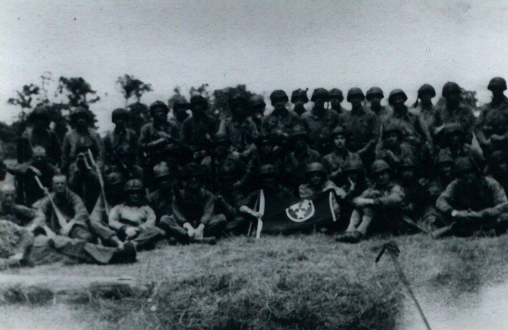
117th Regiment in Normandy. Photo by Barbara Whitaker.
The 117th Infantry Regiment, primarily Tennessee Guardsmen, received five presidential unit citations and was one of the most decorated infantry regiments.
Tennessee Guardsmen served in the Korean War as well as in the Gulf War. On September 11, 2001, Tennessee Guardsmen moved quickly to secure the State of Tennessee. The Tennessee National Guard has assisted in many state emergencies, including weather emergencies. Most recently, the Tennessee Guard has gone to Washington D.C. to help secure the capital against rampant crime.
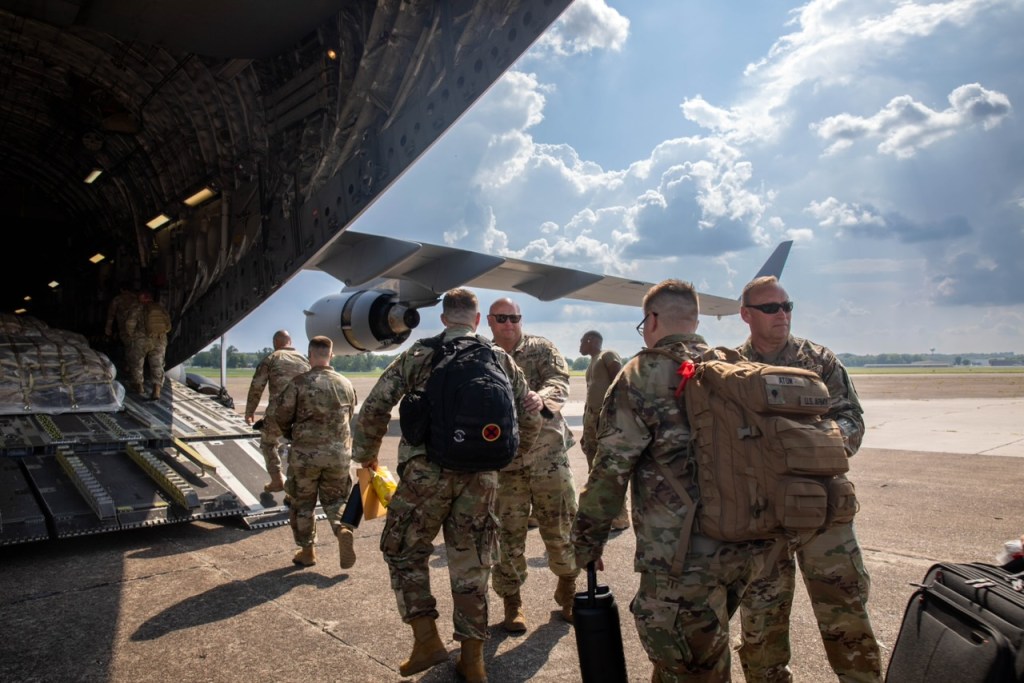
Tennessee Guardsmen departing for Washington D.C. to assist local and federal law enforcement.
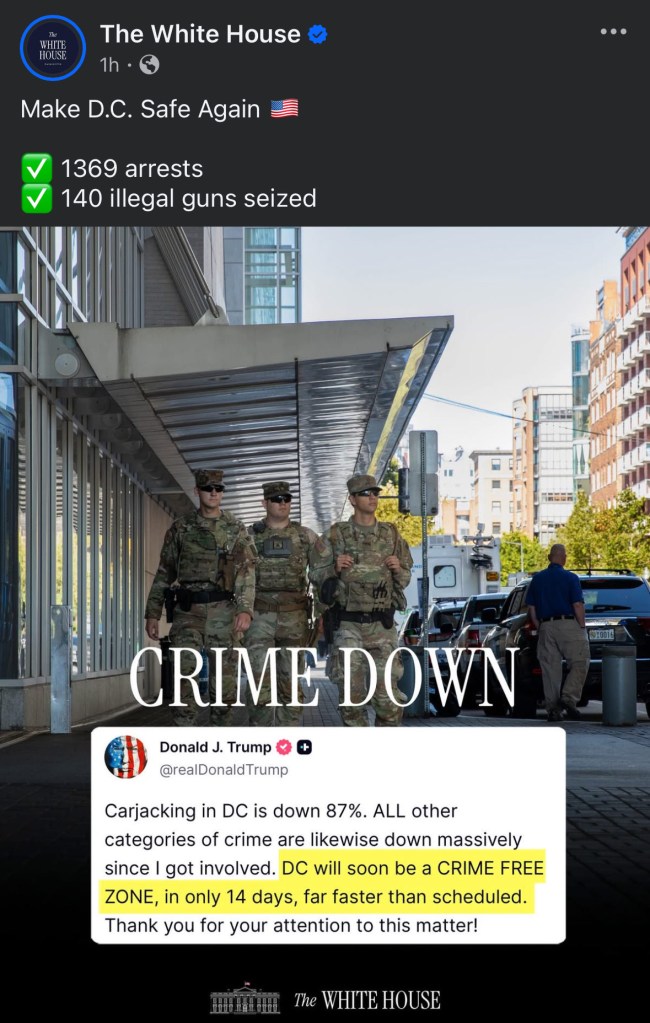
Tennessee Guardsmen in Washington D.C. Guardsmen from 118th MPAD (Mobile Public Affairs Detachment). Photo by Sergeant Kalina Hyche.
The National Guard in Huntingdon, Tennessee has been around for approximately 113 years. On January 29, 1912, Ambulance Co. #1 with 30 men, one truck, two mule drug ambulances, under Colonel Fred Phillips was present in Huntingdon. In 1917, Huntingdon had the first Field Artillery Regiment. As stated above, the Huntingdon National Guard has participated in both World Wars, the Korean War, the Gulf Wars, and other international events.
At some point in history, the unit in Huntingdon was absent. In November of 1947, the National Guard unit was established in Huntingdon again. In 1948, the infantry unit went to a tank unit. On February 29, 1952 what is known as the Leap Day outbreak of tornados hit. The Huntingdon Guard responded.
In 1971, there was a tornado outbreak that hit Huntingdon, Tennessee and the original Armory was damaged at that time.
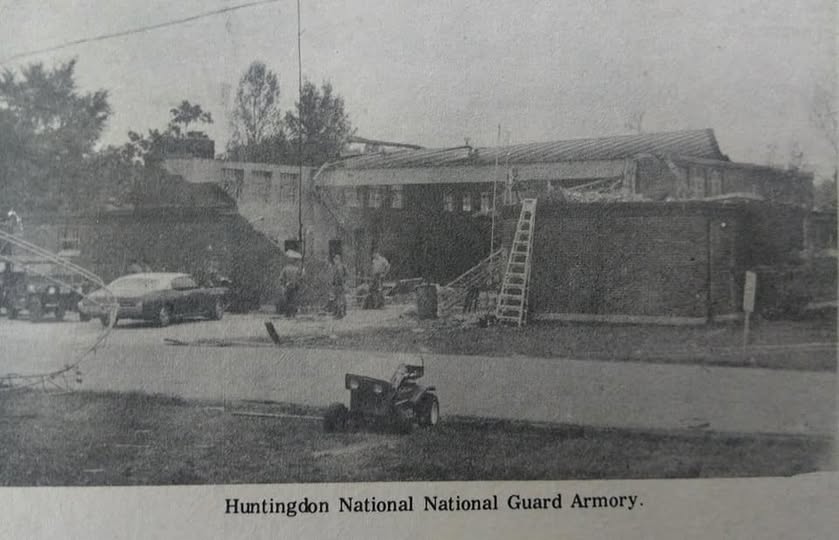
In 1968, the Huntingdon Guard was deployed to Memphis after Martin Luther King’s assassination. In 1978, the Huntingdon Guard was alerted for the police and fire strike in Memphis.
The armory that is currently on Mustang Drive in Huntingdon was built in 1974 to replace the one that was damaged in 1971.
Most recently, the Huntingdon Guard has participated as support in the aftermath of Hurricane Helene and with other flooding in Obion County this past Spring.
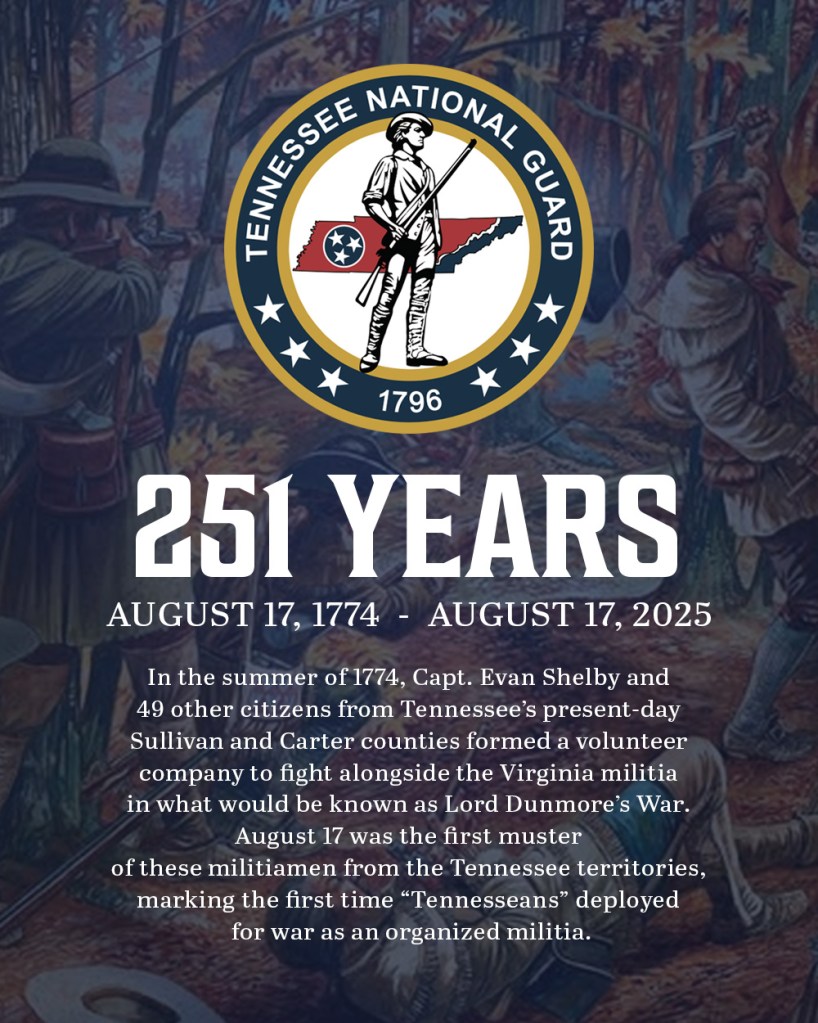
The Huntingdon National Guard and the Tennessee National Guard have always served with distinction. In August of this year, the Tennessee Guard celebrated 251 years of service.

May we always remember those who serve and protect.
The sources of information provided in this article include: presentation by Major General Tommy H. Baker, TN. Gov., Facebook/TNNationalGuard, TN National Guard Timeline, and Wikipedia.
 The History of Carroll County, Tennessee